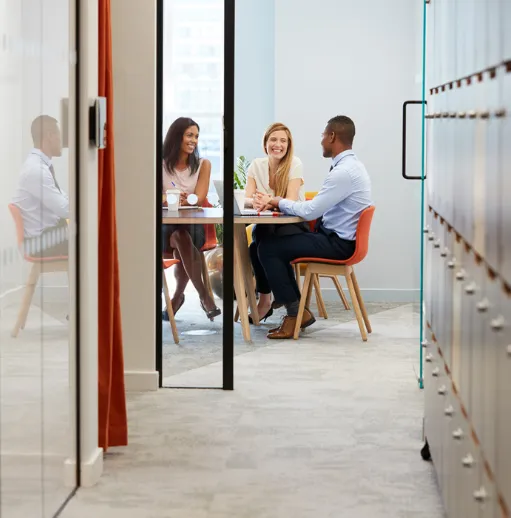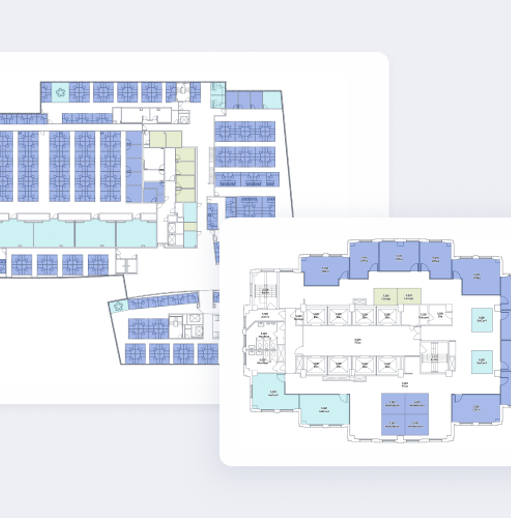



On any given day, the workplace tells a different story than the one most systems report. Conference rooms show as fully booked but sit empty. Desks fill up in one area while entire neighborhoods remain unused. Visitors arrive in waves that no one planned for, putting pressure on front desks and shared spaces.
CRE teams feel this disconnect every day. The data exists, but it lives in separate systems that do not talk to each other. Booking tools track intent. Visitor systems track arrivals. Sensors track presence. None of them tell the full story on their own.
High-performing workplaces close that gap. They bring these systems together so every interaction, from a desk reservation to a visitor check-in, contributes to a clearer understanding of how space actually performs.
Key takeaways
- Integrating space booking, visitor management, and occupancy analytics creates a complete view of workplace demand and usage
- Booking data shows intent, while occupancy data reveals actual behavior. Together, they highlight gaps and opportunities
- Visitor activity adds critical context to peak usage and space planning decisions
- Connected systems enable real-time adjustments, improving both efficiency and workplace experience
- A unified data approach helps CRE teams make confident decisions about space, cost, and strategy
Why disconnected systems create blind spots
Most workplaces did not start with a unified strategy. Tools were added over time to solve specific problems. A booking platform helped manage meeting rooms. A visitor system improved security and check-in. Sensors added another layer of visibility.
Each system works, but together they fall short.
CRE leaders still find themselves asking basic questions:
- Are booked spaces actually being used?
- Which locations experience the most demand and when?
- How do visitors impact peak occupancy?
- Where are we carrying space that no one needs?
Without connected data, answers depend on guesswork or one-off reports. That slows decision-making and makes it harder to justify changes to leadership.
Turning space booking into a signal of real demand
Booking data captures intent. It shows where people plan to work, meet, and collaborate. That alone is useful, but it becomes far more powerful when paired with actual usage.
When booking systems connect with occupancy data, patterns start to emerge. You can see how often rooms go unused, which spaces fill up first, and how demand shifts across the week.
That changes how teams think about booking. It is no longer just a scheduling tool. It becomes an early sign of demand.
Instead of reacting to complaints about space shortages or availability, teams can anticipate needs and adjust layouts before friction builds.
Bringing visitor activity into the full picture
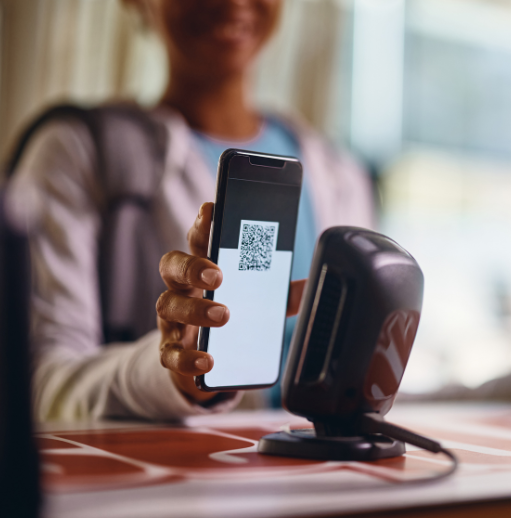
Employees are only part of the workplace equation. Clients, partners, candidates, and vendors all move through the space, often in ways that are not captured in booking data.
Visitor management systems track this activity, but when they operate in isolation, their value stays limited.
When visitor data connects with booking and occupancy insights, it adds important context. Peaks in usage start to make sense. A busy Tuesday might not come from employee attendance alone but from a full schedule of client meetings or interviews.
With this visibility, teams can plan more effectively. They can ensure the right spaces are available, adjust staffing at reception, and create smoother experiences for both employees and guests.
Using occupancy analytics to understand what is really happening
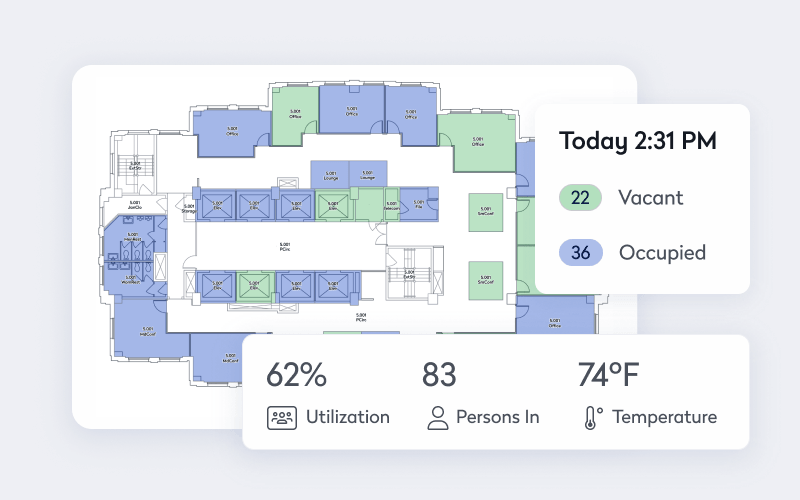
Occupancy data grounds everything in reality. It shows how space is actually used, not just how it was intended to be used.
On its own, occupancy data can highlight underused areas or crowded zones. When combined with booking and visitor data, it becomes far more actionable.
You can compare planned use to actual behavior. You can identify consistent gaps between what people reserve and what they use. You can see how different teams or locations behave over time.
This level of insight allows teams to move from reactive adjustments to continuous optimization. Decisions become easier to support because they are based on patterns, not assumptions.
Creating a workplace that responds in real time
When these systems work together, the workplace becomes more responsive.
Unused rooms can be released automatically when no one checks in. Cleaning schedules can be adjusted based on actual usage. Front desk staffing can align with visitor volume instead of static schedules.
These small changes add up. They reduce friction for employees, improve service levels, and better utilize existing space.
More importantly, they create a feedback loop. Every interaction feeds into a system that learns and improves over time.
What this looks like in practice
Organizations that integrate space booking, visitor management, and occupancy analytics start to see clear shifts in how they manage their portfolios.
They identify space that can be repurposed or consolidated. They design environments that match how people actually work instead of how they think they work. They support hybrid strategies with real data instead of policies based on averages.
They also gain confidence. When leadership asks whether to expand, reduce, or redesign space, CRE teams can point to clear trends and measurable outcomes.
What to prioritize when evaluating solutions
Moving toward an integrated approach requires more than adding another tool. It requires choosing systems that can connect and evolve together.
Teams should look for solutions that support open integration with existing technologies such as badge systems, Wi-Fi data, and sensors. Real-time visibility across locations is essential, especially for organizations managing multiple sites.
Flexibility matters just as much. Workplace strategies will continue to change, and systems should adapt without requiring a complete reset.
Strong data governance and security also play a critical role, especially in industries with strict compliance requirements.
From disconnected data to confident decisions
The difference between an average workplace and a high-performing one often comes down to clarity.
When booking, visitor activity, and occupancy data remain separate, teams operate with partial information. When those systems come together, patterns become clear, and decisions become easier.
CRE teams gain a continuous view of demand, behavior, and performance. They can adjust in real time and plan for the future with confidence.
That is what defines a high-performing workplace. It is not just a well-designed space. It is a workplace that understands how it is used and evolves with the people in it.
Want to better understand how your workplace is actually performing?
Start by connecting the systems that already capture your data. The insights you need are already there.
Frequently Asked Questions

By Amanda Meade
Amanda Meade is a content creator at Eptura, specializing in workplace experience, meeting productivity, and emerging trends in workspace planning and visitor management. With a background in content marketing and SEO, she crafts clear, actionable content that helps teams work smarter through in-office collaboration. Throughout her career, Amanda has worked across industries, including home services, healthcare, real estate, and SaaS, developing a unique ability to distill complex topics into practical insights.