


The Occupational Safety and Health Administration’s (OSHA) 2026 National Emphasis Program intensifies focus on warehousing and logistics, with penalties exceeding $160,000 for willful violations. The real complexity for the logistics industry isn’t federal enforcement, though. It’s the growing jurisdictional fragmentation.
Washington enforces stricter chemical exposure limits than federal standards, for example, while Minnesota requires ergonomic programs for large warehouses. Each state adds requirements beyond baseline OSHA standards, creating a compliance landscape where an organization’s facilities can operate under different rules.
When your teams already complete inspections, maintain records, and file reports, so the problem isn’t a lack of effort. When compliance data sits in spreadsheets and local systems across multiple facilities, though, you can’t see portfolio-wide status, ensure consistent practices, or properly adapt to jurisdictional differences.
Key takeaways
- State requirements diverge faster than most compliance programs can adapt: While federal OSHA sets the baseline, jurisdictions continuously add their own mandates, creating a moving target that spreadsheet-based systems can’t track effectively across facilities
- The most expensive compliance failures are the ones you don’t see coming: When dock leveler near-misses happen at Portland, then Phoenix, then Atlanta, each site treats it as a local incident requiring a local fix — missing the systemic equipment issue the company could solve once instead of three times
- Audit readiness isn’t about last-minute preparation anymore: Leading logistics operations maintain continuously audit-ready documentation through automated calendars, mandatory field completion, and centralized reporting — transforming compliance from a scramble when inspectors arrive to an always-on operational discipline
The solution, then, isn’t hiring more safety managers. Instead, it’s a centralized platform that enforces baseline standards while accommodating the specific requirements each location faces.
Why compliance programs fail logistics operations at scale
A system that can’t accommodate regulatory fragmentation creates dangerous gaps. With siloed data, you can see which facilities meet specific state requirements. Silos also preventing organization-level pattern recognition.
So, when your Portland warehouse reports three forklift near-misses in confined aisles during peak season, and then six weeks later, Phoenix experiences identical incidents, followed by the facility in Atlanta, each site files local reports and adjusts procedures independently, never recognizing this as a systemic issue.
The cost of failure is high. OSHA issued roughly 2,500 serious citations to warehouse and logistics operation, generating approximately $200 million in penalties. Average fines of $18,000-$20,000 per violation add up quickly when inspectors find the same issue at multiple locations.
Platform features that enable consistent compliance across distributed facilities
When managing compliance across multiple jurisdictions, you need centralized visibility without sacrificing local flexibility.
Inspection templates that standardize and customize: Deploy once, adapt locally
You create master templates once, for example forklift safety, fire safety, chemical storage, then deploy them with location-specific additions. Your base forklift template includes universal checks. Oregon facilities add heat stress assessment, Washington adds chemical handling protocols, while Minnesota includes ergonomic requirements.
When OSHA updates rules, you can modify the master template, and the changes flow everywhere. When Oregon modifies requirements, you adjust just for the facilities in that state.
Automated compliance calendars: Never miss jurisdiction-specific deadlines
You can track multiple regulatory calendars simultaneously, including federal annual inspections plus state quarterly checks, monthly Department of Transportation (DOT) requirements, and weekly local mandates.
The system generates automated reminders and escalation alerts when inspections become overdue. You see pending, overdue, and upcoming requirements across your entire portfolio in one dashboard.
Mandatory documentation fields: Ensure consistent, complete records
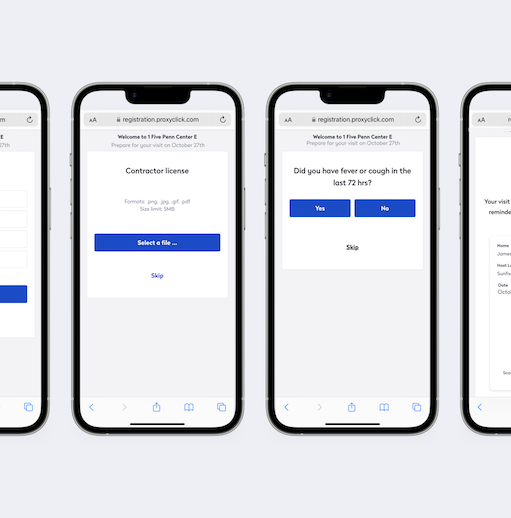
You configure required fields, for example, problem description, root cause, corrective actions, photos, that technicians must complete before closing records.
Field teams can’t mark inspections complete until all jurisdiction-specific fields are filled and required photos attached, preventing gaps where one facility provides comprehensive records while another records only “passed,” so the organization finally gets consistent data without depending on individual discipline.
Cross-site analytics dashboards: Benchmark performance and spot trends
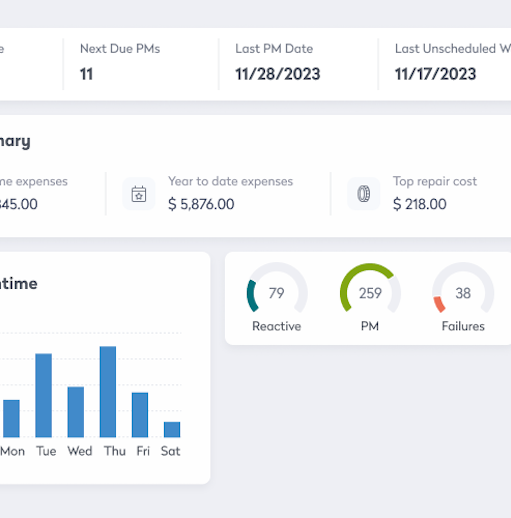
You track portfolio-wide status through dashboards showing completion rates, pending actions, and trends. Comparative scorecards reveal which locations excel and which need improvement.
So, when Atlanta achieves 99% completion with zero violations, you deploy their approach network wide. When Phoenix shows recurring citations despite acceptable completion, you intervene with targeted support.
Centralized hazard tracking: Detect patterns before they spread
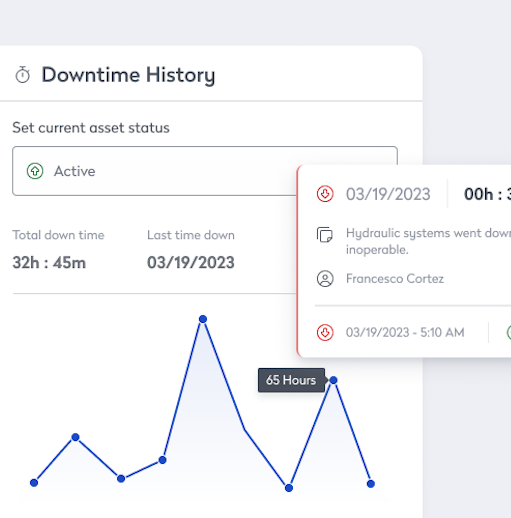
Leveraging the platform, you can now maintain equipment and inspection histories across all locations, surfacing patterns local supervisors can’t see. When dock leveler near-misses appear at four facilities within 60 days, automated detection alerts corporate teams to investigate root causes and implement preventive measures before the issue spreads.
Without centralization, Phoenix reports a near-miss, Atlanta sees similar issues three weeks later, Dallas experiences identical problems next month — each treating it as isolated when it’s systemic.
Audit-ready reporting: Compile compliance histories instantly
You can generate pre-configured reports for OSHA inspections, DOT audits, and insurance reviews. The platform compiles multi-year histories instantly rather than spending days manually gathering documentation.
You see audit preparedness across your portfolio, identifying gaps before auditors arrive. The platform shows which facilities maintain complete records, which have gaps, and which inspections approach deadlines that could trigger violations.
Assess your multi-site compliance maturity
Where does your organization fall on the compliance management spectrum? Use this assessment to evaluate your current capabilities and identify opportunities for improvement.
For each statement, rate your organization.
Never: 0 points
Sometimes: 1 point
Usually: 2 points
Always: 3 points
Template standardization & customization
Compliance calendar management
Documentation consistency
Cross-site visibility and benchmarking
Pattern recognition and proactive intervention
Audit preparation & regulatory reporting
What your score means
0-6 points: Reactive compliance
Your facilities operate independently with limited corporate visibility. Compliance happens at the local level through spreadsheets and disconnected systems. You discover issues during audits rather than preventing them proactively.
7-12 points: Developing consistency
You’ve established some standardized practices, but significant manual effort is required to maintain compliance across sites. Corporate visibility exists but requires considerable time to compile. Local variations create audit risks.
13-18 points: Proactive management
You maintain consistent compliance practices with reasonable corporate oversight. Most facilities follow standardized procedures with appropriate local adaptations. You can identify trends, though pattern recognition requires manual analysis.
19-24 points: Strategic compliance excellence
Compliance operates as a competitive advantage. You prevent violations through pattern detection, share best practices automatically, and maintain continuous audit readiness. Regulatory changes propagate efficiently while local flexibility remains intact.
Transform compliance from ongoing challenge to competitive advantage
Whether you scored in the reactive range or are approaching strategic excellence, there’s always room to strengthen compliance operations. Organizations that centralize compliance tracking don’t just avoid penalties — they identify operational improvements, share best practices automatically, and maintain continuous audit readiness.
Explore how Eptura Asset enables compliance tracking for multi-site logistics operations, or connect with our team to discuss your specific compliance challenges.
Frequently asked questions

By Jonathan Davis
As a content creator at Eptura, Jonathan Davis covers asset management, maintenance software, and SaaS solutions, delivering thought leadership with actionable insights across industries such as fleet, manufacturing, healthcare, and hospitality. Jonathan’s writing focuses on topics to help enterprises optimize their operations, including building lifecycle management, digital twins, BIM for facility management, and preventive and predictive maintenance strategies. With a master's degree in journalism and a diverse background that includes writing textbooks, editing video game dialogue, and teaching English as a foreign language, Jonathan brings a versatile perspective to his content creation.