



Preventive maintenance programs are essential for keeping facilities safe, efficient, and compliant. But even the most experienced maintenance teams face challenges when information is fragmented across departments. Traditional manual methods like paper logs, spreadsheets, and disconnected systems make it difficult to coordinate with procurement, inventory, compliance, and finance teams.
A modern facility management system gives teams the ability to automate tasks, share real-time data, and collaborate across departments. When everyone works from the same source of truth, preventive maintenance becomes more proactive, strategic, and resilient.
Key takeaways
- Collaboration across departments ensures that everyone works from the same source of truth, reducing gaps in communication that can lead to missed inspections, delayed repairs, and budget shortfalls
- Sharing data between maintenance, finance, procurement, and compliance teams enables informed decisions about preventive maintenance, budgeting, and resource allocation
- Centralized data and automated recordkeeping help organizations stay compliant with regulatory requirements, reduce downtime, and improve overall facility performance
Gaps in communication often lead to missed inspections, delayed repairs, and budget shortfalls. Maintenance teams may struggle to justify replacements, track part availability, or provide documentation during audits, not because the work isn’t being done, but because the data isn’t centralized or accessible.
Loop in finance to show the value of preventive maintenance
When maintenance and finance teams operate in silos, preventive maintenance programs suffer. Without shared data, finance may not understand the urgency behind certain repairs or the long-term value of preventive work. That disconnect can lead to underfunded budgets, delayed replacements, and a reactive maintenance cycle that ends up costing you more.
A modern preventive maintenance management system helps bridge that gap by:
- Comparing costs of preventive vs. reactive maintenance
- Highlighting savings from avoided breakdowns
- Forecasting budget needs based on asset performance
- Tracking asset lifecycle costs to support capital planning
By sharing this data with finance, you help them see the full picture—not just the cost of maintenance, but the value it delivers.
How maintenance data helps finance plan for preventive and capital spend
Your team completes quarterly service on backup generators, reducing emergency repairs. You generate a report from your PM system showing the service history, cost savings, and extended asset lifespan. Finance then uses this data to approve a budget increase for next year’s preventive maintenance program.

You also notice that several rooftop HVAC units are nearing end-of-life and have required frequent repairs. Using your system, you compile a report showing total repair costs, downtime impact, and projected failure risk. Finance uses this data to develop a capital improvement plan that includes replacing the units over the next two quarters before they fail during peak season.
Coordinate with the procurement team to improve supplier decisions
Inventory issues can derail even the best preventive maintenance plans. If parts aren’t available when you need them, scheduled maintenance turns into reactive firefighting. And when suppliers deliver late, send incorrect items, or fail to meet quality standards, your team pays the price in downtime and frustration.
These problems often stem from a lack of visibility. Maintenance teams know which parts are used most often and which suppliers cause delays, but inventory and purchasing teams may not have access to that data.
A modern preventive maintenance management system helps close that gap by:
- Tracking part usage by asset, location, and frequency
- Logging supplier delivery times, accuracy, and fulfillment rates
- Setting minimum stock thresholds for high-use or critical items
It also helps you flag parts that frequently cause delays or require rush orders.
Using PM data to strengthen supplier relationships
Your team frequently replaces belts on a conveyor system, but the part is often out of stock. You use your system to show that the belt is used monthly across three locations and that one supplier has a 40% late delivery rate. The procurement team uses this data to switch to a more reliable supplier and increase stock levels, reducing delays and improving uptime.
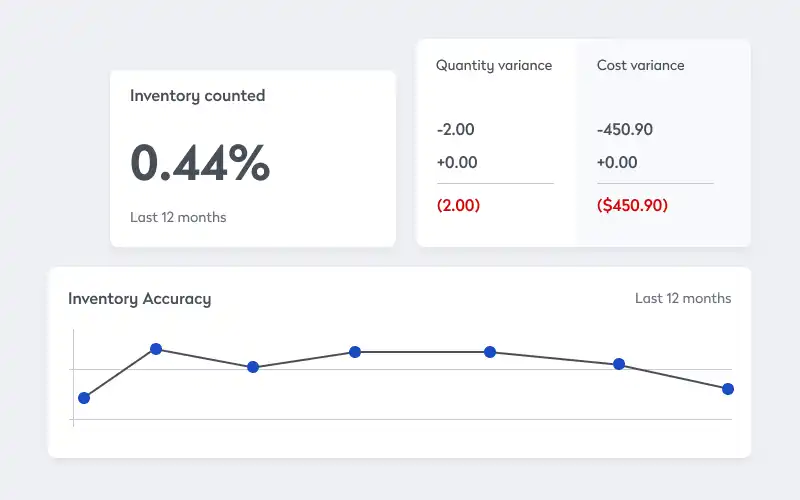
You also notice that a specific type of filter used in HVAC systems is often replaced during seasonal PM tasks. Your system shows that usage spikes in spring and fall, but inventory levels remain flat year-round. You share the trend with the inventory team, who adjust ordering schedules to match seasonal demand. The result: fewer delays, better air quality, and smoother PM execution.
Partner with compliance to automate recordkeeping, stay audit-ready
Preventive maintenance programs play a critical role in meeting regulatory requirements. When compliance teams rely on manual logs or disconnected systems, though, it’s easy for records to fall through the cracks.
Missed documentation, late inspections, or incomplete reports can lead to fines, failed audits, or even safety risks.
A modern facility management system helps you stay ahead by:
- Automatically generating work orders for scheduled PM tasks
- Capturing technician notes, timestamps, and asset history
- Creating audit-ready reports that are searchable and exportable
- Centralizing documentation for easy access across departments
Automation supports compliance across industries, where regulations often tie directly to preventive maintenance.
Meeting industry standards with PM automation
In manufacturing and industrial settings, Occupational Safety and Health Administration (OSHA) requires employers to implement preventive maintenance procedures to control workplace hazards.
For example:
- Lockout/tagout procedures must be documented and followed during equipment servicing
- Machine guarding inspections must be logged to prevent injury
- Ventilation systems must be maintained to control exposure to airborne contaminants
Similar agencies exist in other countries, including the Canadian Centre for Occupational Health and Safety, the UK’s Health and Safety Executive, Safe Work Australia, Germany’s Federal Institute for Occupational Safety and Health, and Japan’s Ministry of Health, Labour and Welfare.
Using the PM system, you can schedule these inspections, log completion, and store records for audits. You reduce risk and ensure your team meets regional safety standards.
In healthcare facilities, compliance is even more complex. Hospitals and clinics in America for example must meet standards from multiple agencies, including:
- The Joint Commission (TJC): Requires regular inspections of medical equipment, fire safety systems, and HVAC systems in sensitive areas
- Centers for Medicare & Medicaid Services (CMS): Mandates documentation of equipment performance and maintenance history
- HIPAA: Requires secure handling of maintenance records tied to patient safety and privacy
So, your team completes monthly inspections of emergency lighting and fire alarms in a hospital. Using your PM system, you log each inspection with technician ID, timestamp, and outcome. When The Joint Commission arrives for a scheduled audit, the compliance team pulls a full report showing that all life safety systems were inspected on time and passed.
In a manufacturing plant, your team performs quarterly inspections on conveyor systems. OSHA requires documentation of these inspections to ensure safe operation. Your system automatically generates the work orders, logs technician notes, and stores the records. During an OSHA visit, you provide a full history of inspections and repairs, demonstrating compliance and avoiding penalties.
Work with procurement to make smarter repair-or-replace decisions
Maintenance teams know which assets break down repeatedly and which ones drain time and budget. Unless procurement has access to that data, though, they may continue investing in repairs when replacement would be more cost-effective.
With a modern facility management system, you can:
- Track repair frequency and cost for each asset
- Generate reports showing total spend over time
- Flag assets approaching end-of-life based on performance trends
By tracking trends over time, you can accurately determine where an asset is in its life cycle.
Helping procurement prioritize replacements with repair data
Your team notices that a rooftop HVAC unit has required five emergency repairs in the past year. You pull a report from your PM system showing the unit’s repair history, downtime, and total cost. Procurement uses that data to justify replacing the unit in next quarter’s capital budget.
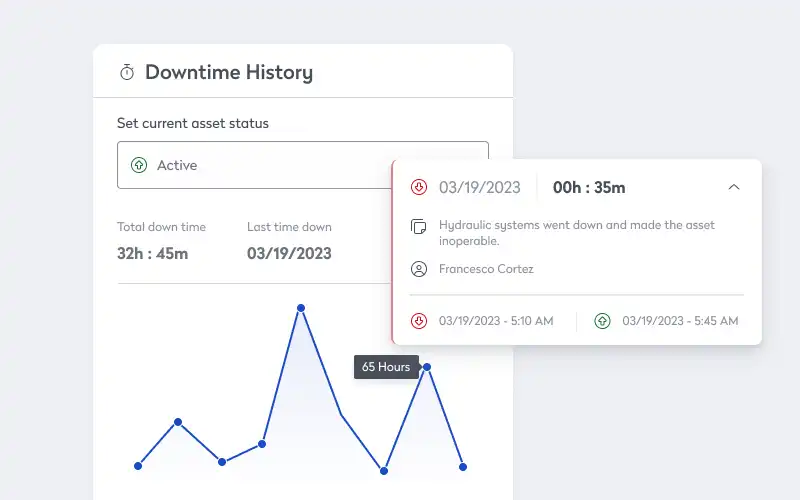
Stronger collaboration helps procurement prioritize replacements based on real-world maintenance data, not just age or manufacturers’ recommendations.
Turn collaboration into a competitive advantage
Preventive maintenance doesn’t operate in a vacuum. Its success depends on the strength of your connections across departments. When finance understands the cost savings, inventory teams anticipate part demand, compliance teams access complete records, and procurement makes data-driven replacement decisions, your maintenance program becomes a strategic asset.
By leveraging a modern facility management system to centralize data and streamline communication, you empower every team to contribute to better outcomes. The result is fewer breakdowns, smarter spending, stronger compliance, and a facility that runs with confidence and clarity.
Frequently asked questions

By Jonathan Davis
As a content creator at Eptura, Jonathan Davis covers asset management, maintenance software, and SaaS solutions, delivering thought leadership with actionable insights across industries such as fleet, manufacturing, healthcare, and hospitality. Jonathan’s writing focuses on topics to help enterprises optimize their operations, including building lifecycle management, digital twins, BIM for facility management, and preventive and predictive maintenance strategies. With a master's degree in journalism and a diverse background that includes writing textbooks, editing video game dialogue, and teaching English as a foreign language, Jonathan brings a versatile perspective to his content creation.