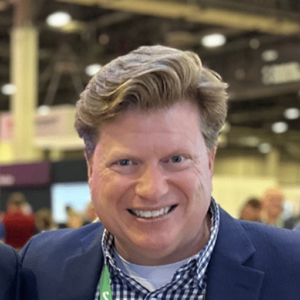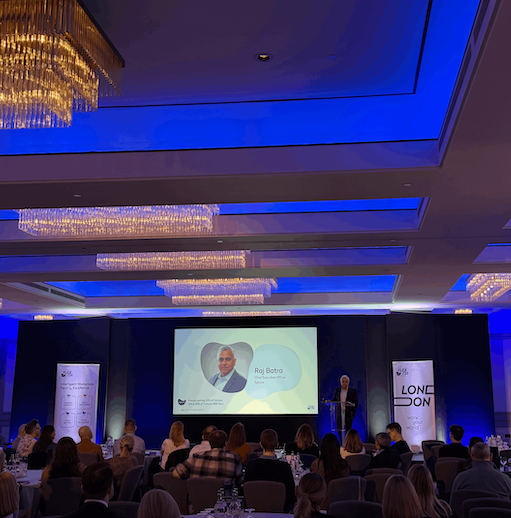





In episode 393, host Mike Petrusky speaks with Sarah Sims, Americas Regional Head of Workplace Experience at FTI Consulting and President of the Capital Chapter of IFMA in Washington, DC. Sarah shares her passion for creating human-centered workplaces and supporting the FM community, and she and Mike chat about her transition to FTI Consulting and her philosophy that workplace innovation means preserving what works well while embracing necessary change to meet evolving employee needs. Sarah explains why she believes awareness of personal strengths, rather than fixation on weaknesses, is foundational for sustainable leadership and preventing burnout in facility management roles. She then covers how technology and workplace data can help FM teams build efficiency, simplify decision-making, and create frictionless experiences that allow employees to do their best work. Sarah also discusses her book “Stress Less: How to Use Self-Care to Redefine Your Wellbeing,” her seven years of volunteer service with IFMA, and why professional development through associations provides essential tools for adapting to industry changes.
Agenda
- Why innovation means preserving what works while embracing necessary change
- How FM leaders can leverage strength-based awareness to prevent burnout and enhance performance
- What workplace data reveals about employee behavior and experience in the built environment
- Why self-care principles are essential for sustaining leadership through seasons of stress
- Where facility management professionals can build multidisciplinary partnerships for greater impact
What you need to know: Workplace takeaways
Takeaway 1: Innovation means preserving what works while evolving forward
Sarah starts by challenging the notion that innovation requires tearing everything apart and starting fresh.
True innovation, she says, in workplace management honors and preserves what works well while bringing it along on the journey of change. Human needs remain constant — belonging, fresh air, inspiration, connection — even as the workplace evolves dramatically. Some things never change.
Innovation also means enhancing who we are as professionals so we can meet organizations and communities in ways that go beyond the traditional built environment experience. There’s opportunity for hospitality, clean air, fresh water, connections, and sound management that should blend seamlessly as a holistic part of everyone’s experience, she says.
Takeaway 2: Start with awareness of your strengths, not your weaknesses
Most facility managers focus on filling gaps and fixing weaknesses, but this creates undue stress and faster burnout. Research shows that when your output isn’t aligned with your strengths and talents, it affects both physical and mental health more rapidly.
The four-step approach Sarah outlines in her book “Stress Less: How to Use Self-care to Redefine Your Wellbeing” begins with awareness — not of weaknesses, but of strengths. When you become aware of your strengths and hyper-focus on what you do well, you see the misalignment between what people demand of you and what you’re truly gifted at. You can’t pour out who you are not, Sarah points out, so knowing yourself and your strengths is essential before you can effectively serve others.
Takeaway 3: Technology and data can give FM teams time back to focus on impact
The built environment collects raw data all day — from energy usage to access to food and beverage — and there are numerous data sets available to help FM teams learn how humans interact within spaces, both independently and collectively. These insights create opportunities to help business leaders shape the employee experience they want with less money and less time spent brainstorming.
The pandemic required FM professionals to think quickly and act decisively without months of focus groups. Technology like workplace management platforms helps employees and visitors easily book spaces, settle in, and start their best work without friction. All technology should be functioning seamlessly at the desk, so people can quickly ease into the space and get to work — minimizing friction is where technology provides a huge advantage for FM teams right now.
The goal is making decisions that don’t just affect the bottom line but are in direct response to how people are using the built environment.
Workplace management insights
- Innovation in FM means preserving what works well while embracing necessary change, not tearing everything apart.
- Human needs for belonging, fresh air, inspiration, and connection remain constant even as workplaces evolve dramatically.
- FM professionals must become multidisciplinary partners rather than staying siloed in traditional built environment roles.
- Self-awareness of strengths, rather than fixation on weaknesses, is the foundation for sustainable leadership and well-being.
- Research shows that work misaligned with your strengths causes faster burnout and impacts both physical and mental health.
- Technology and workplace data can help FM teams build efficiency, simplify operations, and reclaim time for strategic impact.
- Workplace management platforms should minimize friction, allowing employees to easily book spaces and start productive work.
- The pandemic demonstrated the FM field’s ability to act quickly and decisively when business stakes are high.
Explore the full library of Workplace Innovator podcast episodes for an in‑depth look at workplace insights.
Watch the full video here: https://www.youtube.com/watch?si=Vuy28thmPaY7Cnkh&v=epNihhJg7L4&feature=youtu.be