Facilities manager isn’t an ambiguous title—at least at face value. In the same way a zookeeper is someone who “keeps the zoo” or an air traffic controller “controls air traffic,” a facilities manager “manages facilities.” It’s not rocket science or brain surgery, which also have apt titles.
But what exactly does it mean to manage facilities? Especially in today’s fast-paced work environment, the question “What is a facilities manager?” is a broad one. It spans real estate, personnel, budgeting, safety, technology, and business operations. Any business aspect that touches facilities also involves the facility manager.
The traditional role of a facility manager
To understand the role of a modern facility manager we need to ask a different question first: What are a facilities manager’s traditional responsibilities?
Upkeep and management of the physical facilities are at the top of the list. Facility managers make sure the workplace is a welcoming, safe, well-maintained operation. This includes everything from hiring landscapers, utility budgeting, asset management, and vendor coordination.
These core responsibilities touch so many aspects of the workplace that it immediately extrapolates a facility manager’s responsibilities. Consider jobs like coordinating safety processes, managing the company’s personnel directory, or helping new workers get accommodated at their desks. All fall into the facility manager’s lap.
The breadth of traits necessary to be a facility manager is just as diverse. Facility managers need a broad assortment of skills—everything from budgeting, project planning, data analysis, and problem-solving. Facility managers face challenges across a wide spectrum, at varying levels of complexity. They need a broad skill set to meet them.
Integrated facilities management
The traditional nature of a facility manager is still deeply ingrained in the position. But thanks to the evolution of the workforce and contemporary offices, their role now harbors even more responsibility.
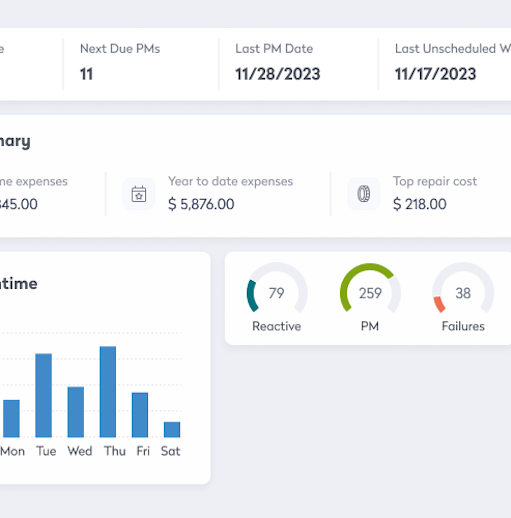
What does a facilities manager do today that they didn’t a decade ago? Namely, coordinate technology and the vast quantities of data derived from it. The digital component of facilities management is arguably now the biggest part of the job. Everything from vendor management, space planning, facility upkeep, and beyond takes place in cyberspace. And, because every action is quantifiable, facility managers are constantly tasked with streamlining their work. The title “facilities manager” might be better renamed “workplace data scientist.”
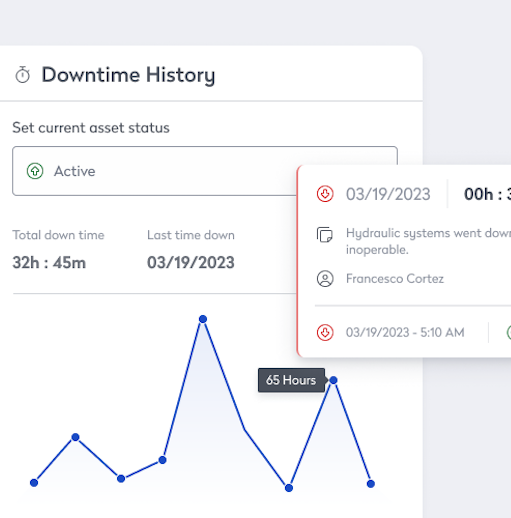
Mix in the office Internet of Things (IoT) and there’s even more on a facility manager’s plate. Thankfully, much of the IoT can be automated and integrated—but that’s still an initial job for the facility manager. When everything is up and running, data collection and analysis still looms.
It’s all building to the concept of integrated facilities management. Facility managers are still responsible for keeping the workplace welcoming, safe, and well-maintained, but it’s more quantitative than ever before. Integrated facility management provides these answers only after a facility manager has taken the appropriate steps to digitize their workplace, aggregate the data, and interpret the trends.
The expectations of modern managers
New job duties aren’t the only shift in the facility management career field. Facilities manager qualifications are also evolving. Look at online job postings for forward-thinking companies and the skills section of the advertisement spells out the search for a highly competent, tech-savvy individual. In addition to education and training, you’re likely to see skill requests that include:
- Experience using IWMS, CMMS, and other systems
- Familiarity with sensor and beacon technology
- Ability to work with program APIs for custom integration
- Cross-platform program experience (phone, tablet, laptop)
- Understanding of cloud computing infrastructure
Experience with and willingness to learn facilities management technology isn’t the only expectation emerging in the field. Companies need individuals capable of managing environments that are always in flux. Overseeing agile workspaces, flexible workers, and coworking environments takes traditional facility management tasks and expands them. Modern FMs need to be quick on their feet and highly adaptive to keep up.
Managing an evolving workplace
The workplace has been evolving over the last decade and is still in the midst of its transition. The next wave of facilities managers needs to keep pace with that evolution. More importantly, they’ll play a role in bridging classic FM concepts with modern needs, using next-gen technology.
The title of “facilities manager” is simple, but the job duties and expectations of these professionals is anything but. In the corporate world, it’s not a stretch to put them in a class with rocket scientists and brain surgeons—even if they may feel like zookeepers and air traffic controllers sometimes.
Keep reading: how to select the best facility management software.

By Jonathan Davis
As a content creator at Eptura, Jonathan Davis covers asset management, maintenance software, and SaaS solutions, delivering thought leadership with actionable insights across industries such as fleet, manufacturing, healthcare, and hospitality. Jonathan’s writing focuses on topics to help enterprises optimize their operations, including building lifecycle management, digital twins, BIM for facility management, and preventive and predictive maintenance strategies. With a master's degree in journalism and a diverse background that includes writing textbooks, editing video game dialogue, and teaching English as a foreign language, Jonathan brings a versatile perspective to his content creation.