Maintenance leaders face growing pressure to protect uptime while controlling costs and meeting sustainability commitments. A 2025 global facilities management study found that 84% of corporate real estate and facilities leaders consider budget constraints and escalating operating costs a top concern, while operational reliability and resilience rank among their organizations’ highest priorities. Sustainability has also become part of core business planning. A separate global study found that 83% of C-suite executives increased their sustainability investments during the previous year, and 45% ranked climate change or sustainability among their company’s three most important challenges for the coming year.
Maintenance sits directly at the intersection of those priorities. The work required to keep assets available consumes energy, materials, labor, spare parts, water, and transportation resources. A decision that reduces immediate costs can create more failures or waste later, while a rigid preventive schedule can replace usable parts and consume resources without producing a measurable reliability benefit.
Sustainable maintenance provides a framework for managing those trade-offs. Rather than treating sustainability as a separate environmental initiative, organizations can evaluate maintenance decisions based on their combined impact on reliability, useful asset life, worker safety, operating costs, resource consumption, and waste generation.
Key takeaways
- Sustainable maintenance balances lifecycle value: It weighs reliability, worker safety, operating costs, resource consumption, waste, and useful asset life instead of treating sustainability as energy efficiency alone
- Asset strategy should reflect risk and actual use: Teams can combine reactive, preventive, and condition-informed approaches based on criticality, failure behavior, utilization, and operating conditions
- Measure outcomes instead of maintenance volume: Connect maintenance activity to reliability, sustainability, and business results, then adjust frequencies, standards, and priorities when additional work does not improve performance
The goal is not simply to perform more maintenance. It is to perform the work that creates the greatest operational and lifecycle value.
Balance environmental, social, and economic outcomes
Sustainable maintenance requires a wider view than energy efficiency alone. Every maintenance decision can affect environmental conditions, worker health, operating costs, asset performance, and the surrounding community.
The environmental dimension includes the energy consumed during maintenance and operation, the materials used to complete work, and the pollutants or hazardous waste an activity produces. Teams should also consider cumulative impact. A task with a modest footprint can create substantial waste when technicians repeat it unnecessarily throughout an asset’s lifecycle.
The social dimension focuses on people. Maintenance methods can expose technicians to hazardous materials, noise, physical strain, and unsafe conditions. Equipment failures can also affect building occupants, operators, customers, and nearby communities. Safer procedures, clearer instructions, and better-planned work help reduce that risk.
The economic dimension includes maintenance costs, downtime, compliance exposure, labor requirements, inventory spending, asset utilization, and useful asset life. A low-cost repair provides little value if teams must repeat it several times or if it creates a larger operational interruption later.
Sustainable maintenance is not environmental maintenance under another name. It requires teams to balance environmental, social, and economic outcomes when they plan, perform, and evaluate work.
Sustainable maintenance helps teams make that tradeoff deliberately by comparing immediate costs with reliability, worker impact, resource use, and useful asset life.
Maintenance leaders must make the right decisions under real operational pressure, explains Vaughn Halliday, MSc, CFM, SFP, FMP, PMP, ProFM, Manager of Support Services and Facilities for the Central Bank of Trinidad & Tobago, in the Asset Champion podcast episode “’The Future is Already Here’ – Operations and Maintenance in Facilities Management.”
“Organizations face the challenge of balancing short-term operational demands against that long-term asset stewardship.”
Extend asset life with the right maintenance strategy
A sustainable maintenance program does not prescribe the same approach for every asset. Match the strategy to asset criticality, failure behavior, safety consequences, maintenance cost, and operational impact.
Reactive maintenance may remain appropriate for low-cost, noncritical items that create little disruption when they fail. Preventive maintenance works better for assets with known service requirements or predictable failure patterns. Condition-informed maintenance supports assets where inspections, usage, meter readings, temperature, vibration, or other signals provide evidence that work is necessary.
Match maintenance frequency to how teams actually use each asset. Two identical assets may require different strategies if one operates continuously and the other runs only intermittently. Runtime, production volume, utilization, and operating conditions often provide a stronger basis for maintenance planning than calendar schedules alone.
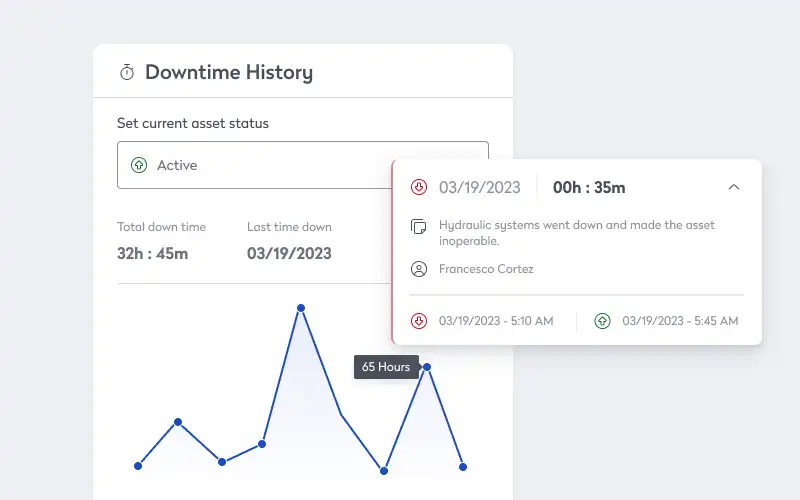
As maintenance operations mature, teams should also improve repair quality. Use standardized procedures, inspection criteria, failure codes, and work-order documentation to identify recurring problems. A repair that restores service but fails to address the cause creates future material use, labor, downtime, and risk.
Maintenance history also strengthens repair-versus-replace decisions. Consider remaining useful life, failure frequency, maintenance costs, operating efficiency, downtime, reliability impact, and the resources required to introduce a replacement. The cheapest immediate option may not produce the lowest lifecycle cost or the strongest sustainability outcome.
Prioritize initiatives by operational value
Maintenance teams rarely have enough resources to address every opportunity at once. A consistent prioritization model helps focus effort where it can create measurable value.
Evaluate each initiative based on its impact on:
- Environmental factors: The energy, materials, pollution, or waste the improvement could reduce
- Workers: The exposure, physical risk, or unsafe work it could prevent
- Costs: The labor, inventory, repair, or compliance spending it could avoid
- Reliability: The failures or performance losses it could reduce
- Lifecycles: The degree to which it could protect or extend asset useful life
- Operations: The downtime, service interruption, or downstream delay it could prevent
- Analytics: The quality of the information supporting the expected result
The framework can help you compare different types of work, such as refining preventive schedules, improving lubrication standards, introducing usage-based triggers, standardizing inspections, replacing hazardous materials, or correcting a recurring failure.
For example, a lubrication improvement that reduces failures, extends asset life, lowers material consumption, and protects workers may rank higher than a standalone energy-efficiency project that affects only one outcome. Start with initiatives that perform strongly across several criteria rather than selecting projects through a single sustainability measure.
Build a maintenance program with the right strategies and capabilities
Sustainable maintenance depends on more than selecting a preventive, reactive, or condition-informed strategy. Maintenance leaders need the processes, information, workflows, and measurement capabilities to apply the right strategy to each asset, improve it over time, and determine whether it produces better operational and sustainability outcomes.
Build the program around how assets operate, how technicians perform the work, and how maintenance decisions affect reliability, safety, costs, resource consumption, and useful asset life. The goal is not to perform more maintenance.
The goal is to consistently identify and complete the work that creates the greatest lifecycle value.
Match the maintenance strategy to asset risk and operating conditions
Reactive maintenance may remain appropriate for low-cost, noncritical items that create little risk or operational disruption when they fail. Preventive maintenance works better for assets with defined service requirements, age-related deterioration, or predictable failure patterns. Condition-informed maintenance supports assets where inspections, usage, meter readings, temperature, vibration, fluid condition, or other signals provide useful evidence that work is necessary.
Set maintenance frequency to how teams actually use the asset. Two identical assets may require different plans when one operates continuously, and the other runs only intermittently. Runtime, production volume, utilization, environment, load, and operating conditions can provide a stronger basis for maintenance planning than calendar schedules alone.
Review each strategy as the maintenance history develops. If a preventive task repeatedly finds no deterioration, the team may be performing it too often. If failures occur between scheduled services, the interval, procedure, operating conditions, or selected strategy may need to change.
Standardize execution and improve repair quality with technician apps
The right strategy produces limited value when teams execute it inconsistently. Give technicians standardized procedures, inspection criteria, condition ratings, failure classifications, safety requirements, and documentation standards so that work produces comparable results across assets and locations.
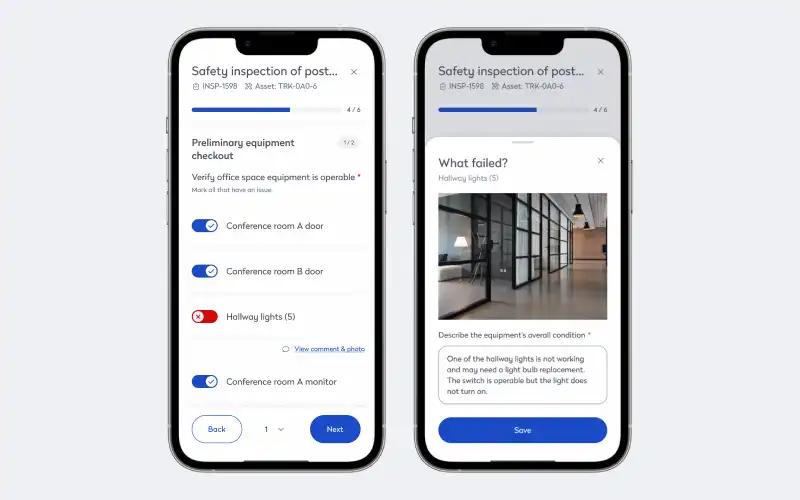
Use those standards to improve repair quality, not simply work-order completion. A repair that restores service but fails to address the underlying cause can create additional material consumption, labor, downtime, and operational risk. Capture the failure mode, suspected cause, work performed, parts consumed, asset condition, test results, and recommended follow-up so teams can distinguish a durable repair from a temporary restoration.
Consistent records also make recurring problems easier to identify. When the same component, symptom, or failure code appears repeatedly, maintenance leaders can investigate whether the cause is the asset, the operating environment, the maintenance procedure, the replacement part, or inconsistent execution.
Field access matters as much as documentation standards.
Give technicians access to relevant histories, procedures, inspection results, warranties, safety information, and parts data where the work occurs. Mobile workflows can reduce searching, duplicate entry, missing documentation, and unnecessary trips between the job site and office while strengthening the operational record after every job.
Use maintenance history to guide lifecycle decisions
Maintenance leaders need to decide not only how to maintain an asset but also when continued repair no longer creates enough value. Use maintenance history to make repair-versus-replace decisions based on lifecycle performance rather than the cost of the immediate work order.
Consider the asset’s remaining useful life, condition, failure frequency, repair costs, operating efficiency, downtime, safety implications, parts availability, reliability impact, and effect on downstream operations. Also consider the resources required to introduce a replacement, including acquisition, installation, commissioning, training, integration, and the responsible removal or disposal of the existing asset.
The cheapest immediate option may not produce the lowest lifecycle cost. Repeatedly repairing an inefficient or unreliable asset can consume more labor, materials, energy, and operational capacity than a planned replacement. However, replacing an asset prematurely can also waste its remaining value and introduce unnecessary financial and environmental costs.
Connected maintenance and performance records give leaders the context to compare those trade-offs. They can determine whether a repair is likely to restore reliable performance, whether the maintenance strategy needs to change, or whether replacement provides the stronger long-term outcome.
Prioritize improvements by operational value
Maintenance teams rarely have enough resources to address every opportunity at once. Use a consistent prioritization model to focus time, budget, and technical capacity on improvements that can create measurable value across several parts of the operation.
Evaluate each initiative based on its expected impact on:
- Environmental performance: Estimate the energy, water, materials, pollutants, hazardous substances, or waste the improvement could reduce
- Worker health and safety: Consider the exposure, physical strain, unsafe work, or hazardous conditions the initiative could prevent
- Costs: Estimate the labor, inventory, repair, utility, replacement, or compliance spending the improvement could avoid
- Reliability: Determine which failures, performance losses, repeat repairs, or emergency interventions it could reduce
- Asset lifecycle: Assess whether the initiative could protect asset condition, improve performance, or extend useful life
- Operations: Consider the downtime, service interruption, capacity loss, or downstream delay it could prevent
- Evidence quality: Evaluate the completeness and reliability of the asset history, condition data, cost information, or performance evidence supporting the expected result
Apply the framework to different types of work, including refining preventive schedules, introducing usage-based triggers, improving lubrication standards, standardizing inspections, correcting recurring failures, replacing hazardous materials, or improving parts controls.
Prioritize initiatives that perform strongly across several criteria instead of selecting projects through a single sustainability measure. For example, a lubrication improvement that reduces failure risk, extends asset life, lowers material consumption, and protects workers may create more overall value than a standalone efficiency project with a narrow impact.
Use analytics and AI to strengthen maintenance decisions
As the operational record becomes more complete, analytics can help maintenance leaders turn maintenance history into action. Use analytics to compare assets, summarize work histories, identify recurring failure patterns, find unusual parts consumption, monitor repair costs, and surface assets that require further review.
Automated analysis can also reduce the time required to find and interpret information. Teams can use AI to summarize lengthy maintenance histories, group related work orders, identify patterns in technician notes, surface missing information, and help people access procedures or asset records faster.
Use these capabilities to support professional judgment rather than replace it. Maintenance professionals still need to review operating context, confirm data quality, assess safety and production consequences, and approve the appropriate action. A pattern identified in work-order data may justify further investigation, but it does not automatically establish the cause of a failure or the correct maintenance response.
Measure performance outcomes instead of maintenance volume
Start with activity measures such as preventive maintenance completion, inspection volume, labor hours, parts consumed, planned versus reactive work, schedule compliance, and repeat work. These measures show what the maintenance team does and whether teams follow the intended process.
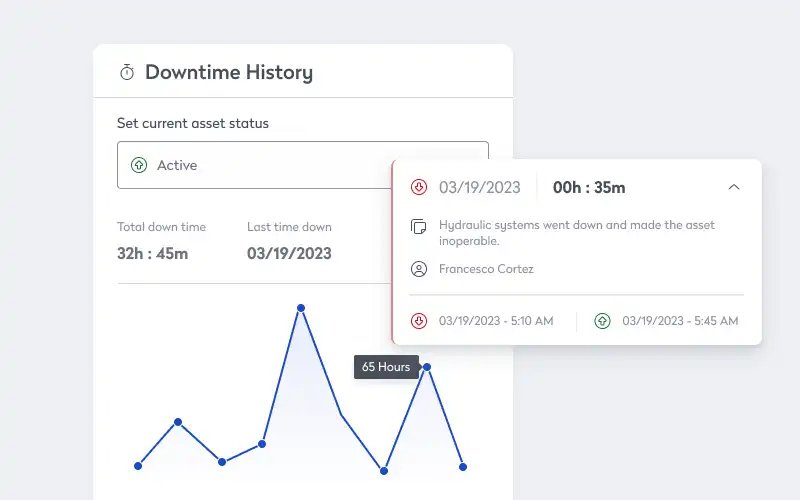
Next, connect that activity to reliability measures such as downtime, repeat failure rates, emergency work, asset utilization, mean time between failures, and mean time to repair. These indicators reveal whether maintenance activity produces more stable and reliable asset performance.
Add sustainability measures covering energy use, water consumption, materials consumed, hazardous waste, pollutant indicators, worker exposure, safety events, and useful asset life. Finally, connect those results to business outcomes such as maintenance cost per asset, inventory carrying costs, compliance performance, operational disruption avoided, replacement deferred, and service continuity.
Establish a baseline before changing the program, then review the same measures consistently. If the team completes more preventive tasks but failures, costs, material use, and disruption remain unchanged, the increase in activity has not produced the intended outcome. Use the results to refine maintenance frequencies, work standards, priorities, and asset strategies so the program continues to improve over time.
Avoid common sustainable maintenance mistakes
Several mistakes can weaken an otherwise well-designed program, including:
- Treating sustainability as an energy project: Include materials, waste, worker safety, reliability, costs, and asset life
- Measuring activity instead of results: More inspections and work orders only matter when they improve outcomes
- Over-maintaining assets: Excessive work consumes resources and can disturb equipment unnecessarily
- Using one strategy for every asset: Match the approach to criticality, utilization, failure behavior, safety, cost, and disruption
- Ignoring information waste: Missing histories and incomplete work orders cause repeated effort and weaker decisions
- Replacing assets without lifecycle context: Compare repair history, remaining life, operating performance, and replacement impact
Avoiding these mistakes keeps sustainable maintenance focused on operational results rather than abstract commitments or software features.
Turn maintenance maturity into sustainable performance
The issue is often not a lack of maintenance. The issue is understanding which work creates value and which work creates waste. Organizations that extend asset life most effectively are the ones that can connect reliability, safety, cost, and sustainability to everyday maintenance decisions.
A connected operational record helps maintenance teams identify avoidable work earlier, improve repair-versus-replace decisions, and measure performance across the asset lifecycle.
To see how you can create a foundation for success, explore Eptura Asset.
Frequently Asked Questions

By Jonathan Davis
As a content creator at Eptura, Jonathan Davis covers asset management, maintenance software, and SaaS solutions, delivering thought leadership with actionable insights across industries such as fleet, manufacturing, healthcare, and hospitality. Jonathan’s writing focuses on topics to help enterprises optimize their operations, including building lifecycle management, digital twins, BIM for facility management, and preventive and predictive maintenance strategies. With a master's degree in journalism and a diverse background that includes writing textbooks, editing video game dialogue, and teaching English as a foreign language, Jonathan brings a versatile perspective to his content creation.