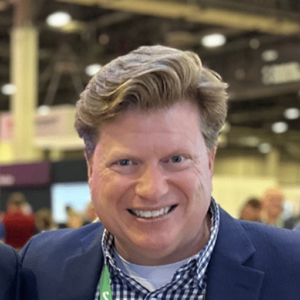





In episode 178 of the Asset Champion podcast, host Mike Petrusky speaks with Lawrence Boodasingh, MScFM, CFM, FMP, CIWFM, ProFM, the Senior Facilities Manager at Ross University School of Veterinary Medicine which is an all-accredited (AVMA & AAALAC) 60-acre internationally recognized American veterinary and veterinary research university located on Saint Kitts & Nevis in the north-eastern Caribbean. Lawrence is passionate about delivering CAPEX projects and developing diversified high-performing teams, embedding customer-focused cultures, strategic management, stakeholder engagement, and driving innovative FM strategies across complex built environments. Mike asks Lawrence about his continuous professional development, upskilling, and credentialing which he believes has been essential for his successful journey in facility and asset management. He says that FM leaders should embrace technology, AI, CMMS platforms, and data-driven decision-making to optimize asset performance and plan for the future.
Agenda
- The importance of continuous professional development and industry credentials
- Building a customer-centric facilities management culture
- Leveraging technology, AI, CMMS, and data-driven decision-making
- Hiring, training, and developing high-performing FM teams
- Global best practices and the future of the built environment
What you need to know: Facility and maintenance takeaways
Takeaway 1: Continuous professional development is essential for long-term success
“Commit to class A customer service and your continuous professional development.”
Lawrence emphasizes that facilities management is constantly evolving, making ongoing learning a critical part of career growth. Professional certifications, industry engagement, and staying current with emerging trends help FM professionals remain effective and valuable contributors to their organizations.
Aligning with professional organizations such as IFMA and IWFM provides access to best practices, professional networks, and industry standards. As facilities become more complex, continuous development ensures practitioners can adapt to changing expectations and deliver higher levels of service and operational excellence.
Takeaway 2: Mentorship can accelerate career growth
Throughout the conversation, Lawrence reflects on the mentors who influenced his career and leadership philosophy.
Mentorship provides practical guidance that cannot always be learned through formal education. Experienced leaders help emerging professionals navigate challenges, develop confidence, and gain exposure to new perspectives. Organizations that foster mentorship opportunities create stronger talent pipelines and help preserve institutional knowledge across generations of facility professionals.
Takeaway 3: Technology is transforming asset and facilities management
Lawrence encourages FM professionals to embrace emerging technologies, including AI, CMMS platforms, IoT devices, and data-driven asset management practices.
Technology provides greater visibility into asset condition, maintenance performance, and lifecycle costs. When organizations leverage accurate data and modern systems, they can make better decisions, improve reliability, reduce downtime, and optimize long-term capital planning.
Takeaway 4: Effective leadership is rooted in stewardship and accountability
“Treat every asset as your own.”
For Lawrence, facilities leadership extends beyond managing buildings and equipment. It requires creating a culture where individuals take ownership of the assets and environments under their care.
Strong leaders establish accountability, set clear expectations, and empower teams to make informed decisions. By fostering ownership and responsibility, organizations can improve asset performance while building trust among stakeholders and occupants.
Takeaway 5: People and customer service must remain the priority
“Our responsibility is to deliver class A customer service, because of course people come first in FM.”
While technology and processes are important, Lawrence stresses that facilities management is ultimately a people-focused profession. FM teams support students, employees, visitors, patients, and other building occupants who depend on safe and reliable environments.
Organizations that prioritize customer service build stronger relationships with stakeholders and create facilities that better support organizational missions and objectives.
Takeaway 6: Merit-based leadership strengthens organizations
“Hire and promote your colleagues based on their competence, capability, and merit rather than familiarity.”
Lawrence advocates for hiring and advancement practices based on demonstrated skills, performance, and potential. Merit-based decision-making encourages innovation, creates opportunities for talented professionals, and helps organizations develop stronger and more effective leadership teams.
When employees see that success is tied to performance and contribution, they are more likely to remain engaged and committed to continuous improvement.
Takeaway 7: A positive mindset supports personal and professional success
“We must show up for life to find joy in every day.”
In addition to professional development and operational excellence, Lawrence highlights the importance of maintaining perspective, optimism, and gratitude. A positive outlook helps leaders navigate challenges, remain resilient during periods of change, and sustain long-term career fulfillment.
Maintenance management insights
- Continuous professional development and industry credentials help FM professionals stay relevant and adaptable in a rapidly evolving industry.
- Mentorship and knowledge sharing play a critical role in developing future facility and asset management leaders.
- Technologies such as AI, CMMS, IoT, and data analytics are becoming essential tools for optimizing asset performance and lifecycle planning.
- Effective asset management depends on stewardship, accountability, and a culture of ownership across teams.
- Customer service remains a core responsibility of facilities management, with people and occupant experience at the center of decision-making.
- Merit-based hiring and promotion practices strengthen teams, encourage innovation, and improve organizational performance.
- Global best practices and collaboration help elevate standards and advance the facilities management profession.
- Maintaining a positive mindset and finding purpose in daily work contribute to long-term career success and leadership effectiveness.
Do a deep dive into more asset management insights by exploring all Asset Champion Podcast episodes.
Watch the full video here: https://youtu.be/zj1-ly_JVuw?si=hJxk8rGawE9aXsar