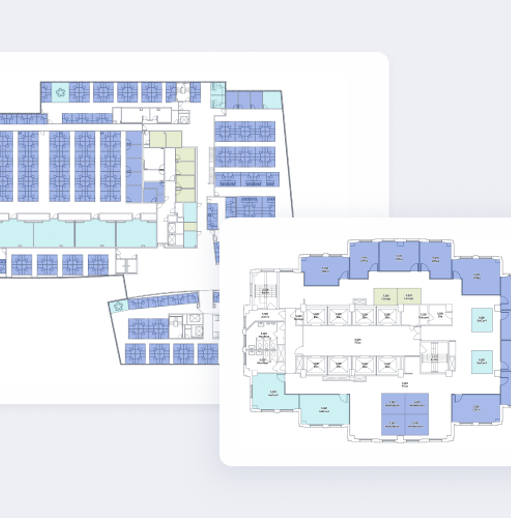


Facilities generate enormous amounts of information during planning, design, and construction. Building Information Modeling (BIM) models can include asset specifications, equipment locations, system relationships, commissioning information, operating documentation, and facility layouts. Although this information is created to support project delivery, facility and maintenance teams often struggle to access it once the facility becomes operational.
In fact, teams often find themselves having to recreate information that already exists, manually populate asset records, or spend valuable time searching for documentation before planning or performing work.
Key takeaways
- BIM data remains valuable after construction: Asset information, system relationships, equipment specifications, and facility documentation can continue supporting maintenance and facility operations long after project handover.
- Context helps maintenance teams make better decisions: BIM data provides visibility into how assets connect to surrounding systems, spaces, and infrastructure, helping planners and technicians understand operational impacts before work begins.
- Successful BIM-to-FM strategies focus on usability: The goal is not to transfer every piece of project data into operations but to make the right information accessible, reliable, and useful within existing maintenance workflows.
Connecting BIM data to maintenance and asset management processes helps carry important information forward into operations, making it easier for planners, technicians, and facility leaders to access the context they need when making decisions.
Why BIM data often loses value after handover
Organizations typically develop BIM models to support project planning, design coordination, construction, and commissioning activities. Once operations begin, though, facility information frequently becomes dispersed across multiple systems.
Maintenance teams may manage work orders in one platform while asset inventories, construction documents, operating manuals, and BIM models reside in separate repositories. As facilities evolve through renovations, equipment replacements, and operational changes, the connection between project information and day-to-day operations can become more difficult to maintain.
Fragmentation creates practical challenges for facility managers. Asset information may exist within project records but remain difficult to access during maintenance planning. Documentation may be available but disconnected from work order workflows. Teams may spend time recreating asset records during handover or manually updating information across multiple systems.
By connecting project information with operational workflows, you can reduce these disconnects while improving continuity between project delivery and ongoing facility management.
What maintenance teams actually need from BIM
More context also helps technicians contribute more value during every maintenance activity. A technician who only knows the location of an asset can complete the assigned work. A technician who understands how that asset connects to surrounding systems, what spaces it serves, what other equipment depends on it, and what maintenance history exists can make more informed decisions in the field. That additional information supports better troubleshooting, more accurate problem diagnosis, and more productive conversations between technicians, planners, and operations teams.
Remember that BIM data does not replace technician expertise.
It helps technicians apply that expertise more effectively by giving them access to a richer picture of the asset environment before work begins. Instead of spending time locating information or piecing together system relationships, teams can focus on evaluating conditions, identifying root causes, and making recommendations that support long-term asset performance.
On an episode of the Asset Champion podcast, Daniel Stonecipher, Independent Advisor for AI Infrastructure & Built Environment Platforms, explains how an “… operational decision requires context, and context is where facility professionals create value.”
While Stonecipher was discussing AI adoption, the same principle applies to BIM-enabled facility operations. Data becomes more valuable when it helps people make better decisions. BIM provides additional context around assets, systems, and facilities, but maintenance professionals still provide the judgment needed to translate that information into action.
The combination of accessible facility data and experienced technicians creates stronger maintenance decisions than either one alone.
Consider a maintenance planner preparing repairs on an air handling unit that serves a production area. Locating the equipment is only one part of the process. The planner may also need to understand which spaces the equipment serves, whether building systems depend on it, how technicians can access the asset, and what documentation applies to the repair.

BIM data helps place assets within the broader facility environment. Instead of viewing equipment as isolated records, maintenance teams can better understand how assets connect to surrounding infrastructure, utilities, and occupied spaces. This additional context becomes increasingly valuable in environments where equipment, utilities, and facility systems often have operational dependencies.
How to make BIM data more useful after handover
Instead of attempting to move every piece of information into operations, focus on the data that supports maintenance, asset management, and facility decision-making.
- Start with the people who will use the information: Maintenance planners, technicians, facility managers, and capital planning teams all rely on different types of data. Understanding their responsibilities helps determine which information is most valuable and how it should be presented
- Prioritize information that supports operational decisions: Asset locations, equipment specifications, manufacturer information, warranties, commissioning records, maintenance requirements, and system relationships often continue providing value long after construction is complete
- Provide context, not just asset data. Maintenance teams frequently need to understand how equipment relates to surrounding systems, spaces, and infrastructure. A broader context can help support planning, troubleshooting, and maintenance coordination
- Make information easy to access during existing workflows: Data is most valuable when planners and technicians can find it while creating work orders, reviewing assets, scheduling maintenance, or evaluating facility changes
- Maintain confidence in the information over time: Facilities change, equipment is replaced, and spaces evolve. Establishing processes for updating and validating information helps ensure teams continue trusting the data and using it to support decisions
For maintenance professionals, access to the right information can be just as important as access to the right tools. Understanding how building systems support production operations, where critical assets are located, and how equipment connects to surrounding infrastructure helps maintenance teams work with greater context. The objective is not to create larger datasets. It is to make operational information easier to find, easier to trust, and easier to use when planning, troubleshooting, and managing facility assets.
Turn BIM data into a long-term operational asset
Facilities generate valuable information long before the first maintenance work order is created. BIM models capture asset locations, system relationships, equipment specifications, commissioning records, and facility data that can continue supporting operations for years after construction ends.
By identifying what maintenance teams actually need, connecting that information to operational workflows, and maintaining data quality over time, organizations can extend the value of BIM well beyond project handover.
When planners, technicians, and facility leaders can access reliable asset information within the context of the broader facility environment, they can spend less time searching for documentation and more time making informed decisions. The result is stronger continuity between project delivery and operations, more useful asset records, and a practical way to support facility management throughout the building lifecycle.
Turn BIM data into actionable facility and asset information. Explore how modern facility management software helps teams connect asset records, maintenance workflows, and operational data to support day-to-day decision-making through modern facility management.
Frequently Asked Questions

By Jonathan Davis
As a content creator at Eptura, Jonathan Davis covers asset management, maintenance software, and SaaS solutions, delivering thought leadership with actionable insights across industries such as fleet, manufacturing, healthcare, and hospitality. Jonathan’s writing focuses on topics to help enterprises optimize their operations, including building lifecycle management, digital twins, BIM for facility management, and preventive and predictive maintenance strategies. With a master's degree in journalism and a diverse background that includes writing textbooks, editing video game dialogue, and teaching English as a foreign language, Jonathan brings a versatile perspective to his content creation.