

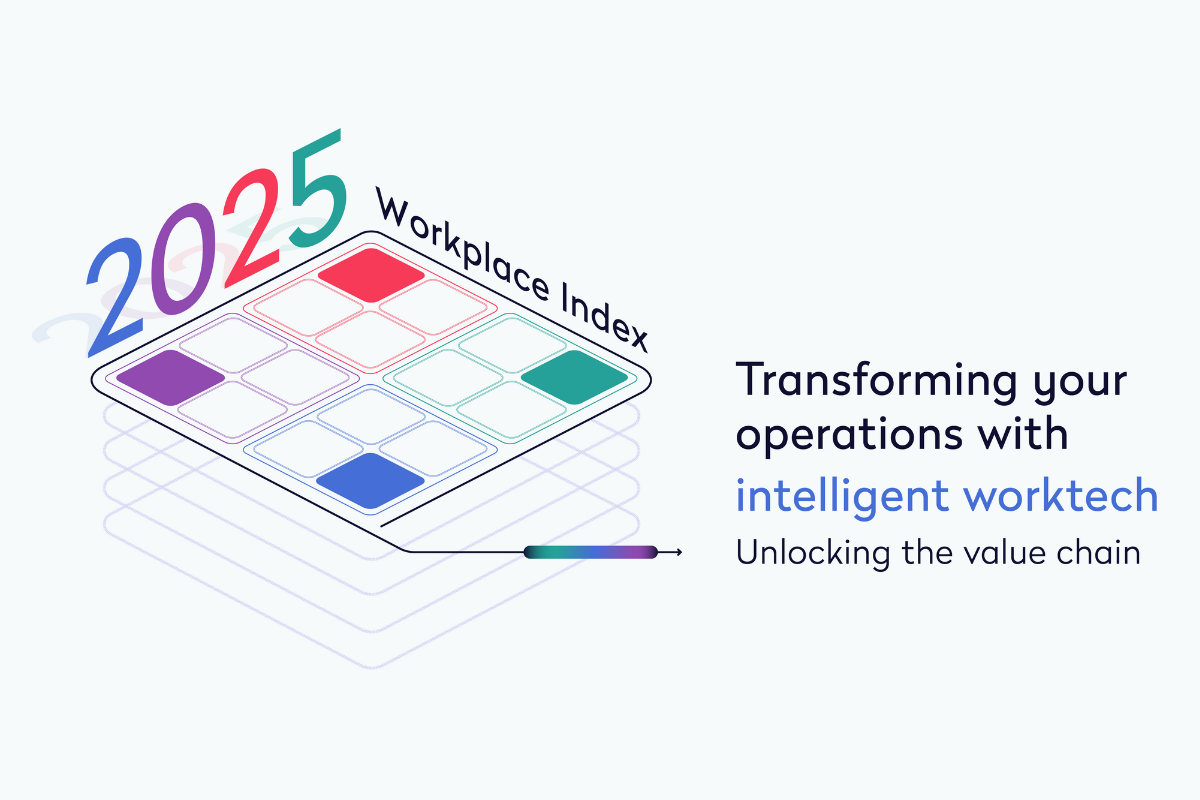
As organizations continue to demand more from their built environments, expectations around asset uptime, energy efficiency, and cost control intensify. At the same time, operational complexity is increasing, driven by rising occupancy, aging infrastructure, and the need to meet evolving compliance standards, according to Eptura’s 2025 Workplace Index report.
Digital asset life cycle management helps teams streamline capital planning, simplify preventive maintenance, and ensure compliance with evolving standards.
Key takeaways
- Digital solutions enhance decision-making across the asset life cycle: By providing centralized access to historical asset data, digital platforms enable informed decisions during planning, procurement, deployment, operations, and retirement
- Digitization streamlines processes and reduces costs: Digital tools help organizations shift from reactive to proactive maintenance, reduce downtime, and optimize asset performance, leading to cost savings and improved operational efficiency
- Integrated digital platforms support broader business objectives: By embracing digital solutions across the entire asset life cycle, organizations can enhance asset performance, extend lifespans, and support energy efficiency and compliance goals
“As businesses become ever more competitive, there is a real drive to maximize value and efficiency, and to minimize risk,” notes the report. In fact, when asked, “Which of the following is your biggest challenge when it comes to your asset management operations?”, 40% of asset managers cite increasing asset life cycles.
The solution is a move to an integrated platform that connects workplace, building, and asset data, enabling smarter decisions and more proactive operations at every stage of an asset’s life cycle.
Planning and design: From missed opportunities to informed decisions
Planning and design often suffer from a lack of visibility into existing asset performance. Without centralized data, it’s a struggle to forecast future needs accurately, leading to over- or under-investment in infrastructure and equipment.
Disconnected systems across departments also make it difficult to align on priorities or simulate future scenarios, resulting in inefficient layouts and missed opportunities for optimization.
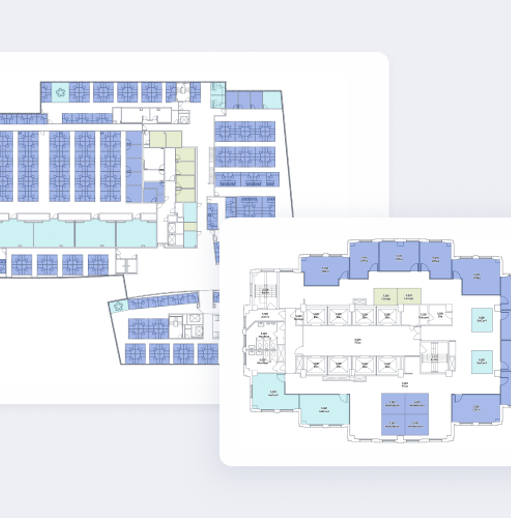
Digital platforms enable centralized access to historical asset data, helping you make informed decisions during planning. With BIM modeling, floor mapping, and real-time scenario planning, you can simulate usage patterns and anticipate future demands, while data from occupancy analytics can inform space planning decisions, ensuring new assets are aligned with actual usage trends.
Digital planning tools support many types of modeling, forecasting, and simulation, including:
- Life cycle cost modeling to compare long-term value across asset options before purchase
- Energy forecasting based on historical consumption patterns to guide sustainable design
- Maintenance simulation to predict service needs and avoid future bottlenecks
- Cross-team collaboration through shared dashboards that align FM, IT, and capital planning
- Regulatory readiness by embedding compliance requirements into early design stages
By bringing these capabilities into a single, connected environment, it’s possible to plan more proactively, reduce risk, and ensure every decision supports long-term operational goals.
Procurement and acquisition: From reactive Buying to strategic investment
Procurement is often reactive, triggered by equipment failures rather than long-term planning. Many organizations lack standardized evaluation criteria, making it difficult to compare life cycle costs or assess long-term value. Without access to performance data, teams may default to choosing assets based on upfront cost alone, because they’re overlooking critical factors like energy efficiency, maintenance history, or system compatibility.
Digital platforms help shift procurement from reactive to strategic. Asset management solutions provide visibility into performance trends, enabling teams to make informed decisions based on real-world data. For example, if an HVAC unit shows a spike in corrective maintenance work orders, you can flag it as nearing end-of-life and leverage reliable data to support a business case for replacement, factoring in total cost of ownership rather than just initial expense.
With access to historical and real-time asset data, you can:
- Compare asset performance across locations and vendors to identify which models deliver the best long-term value
- Track repair frequency and downtime to determine when an asset is costing more to maintain than to replace
- Evaluate energy consumption trends to prioritize equipment that supports sustainability goals
- Align purchases with existing systems to reduce integration issues and improve operational efficiency
- Build a proactive replacement schedule based on life cycle data, minimizing disruptions and unplanned costs
By digitizing procurement workflows, you gain the clarity to invest in assets that perform better, last longer, and align with broader business objectives.
Deployment and installation: From disconnected teams to streamlined execution
Deployment delays often stem from poor coordination between teams and inconsistent documentation. Manual processes can lead to missing or inaccurate records, complicating future maintenance and compliance efforts. Without a centralized system, it’s difficult to track installation progress, verify asset details, or ensure adherence to safety and operational standards.
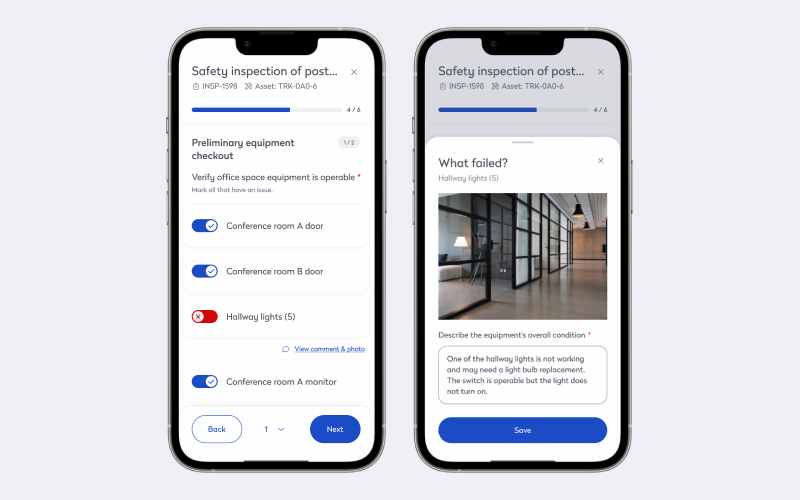
Digitization helps streamline deployment by connecting teams, standardizing documentation, and capturing asset data from day one. Technicians can log installation details on-site using a mobile app, for example, ensuring accurate records for future maintenance and compliance audits.
With digital tools in place, teams can:
- Capture installation data at the source, including serial numbers, warranty details, and configuration notes
- Ensure consistent documentation with standardized forms and templates that reduce human error
- Track deployment progress across multiple sites, giving managers visibility into timelines and resource allocation
- Verify compliance with safety and operational standards, using digital checklists and automated reporting
By digitizing deployment, you gain control over the process, reduce risk, and lay the groundwork for more efficient asset management throughout the life cycle.
Operations and maintenance: From costly downtime to proactive performance
Many organizations still rely on reactive maintenance, responding to breakdowns as they happen, an approach that drives up costs, increases downtime, and puts pressure on teams to make quick decisions without being able to see the full context.
Without real-time visibility into asset health, it’s difficult to prioritize work orders, spot recurring issues, or plan preventive tasks. Manual tracking of service history often leads to missed maintenance opportunities and compliance risks.
Digital transformation delivers immediate returns by shifting maintenance from reactive to predictive. With access to sensor data, historical service records, and automated scheduling tools, teams can anticipate issues before they escalate, while AI-backed analytics detect patterns in asset behavior and trigger maintenance workflows, reducing labor costs and avoiding costly disruptions.
By digitizing maintenance operations, you can:
- Monitor asset health in real time, using IoT sensors to detect anomalies and flag potential failures
- Automate preventive maintenance schedules, ensuring tasks are completed on time and reducing reliance on manual tracking
- Analyze service history across asset types, helping teams identify which equipment performs best over time
- Reduce labor hours and emergency repairs, as predictive models allow for better planning and resource allocation
- Support compliance with audit-ready documentation, including timestamps, technician notes, and completed checklists
With proactive maintenance in place, you can extend asset life, improve uptime, and make smarter decisions overall.
Retirement and replacement: From guesswork to life cycle optimization
Organizations often make end-of-life decisions without complete asset histories or clear evaluation criteria, leading to premature replacements or extended use of inefficient equipment, driving up costs and increasing environmental impact. Without visibility into performance trends or total cost of ownership, teams may miss opportunities for reuse, resale, or recycling.
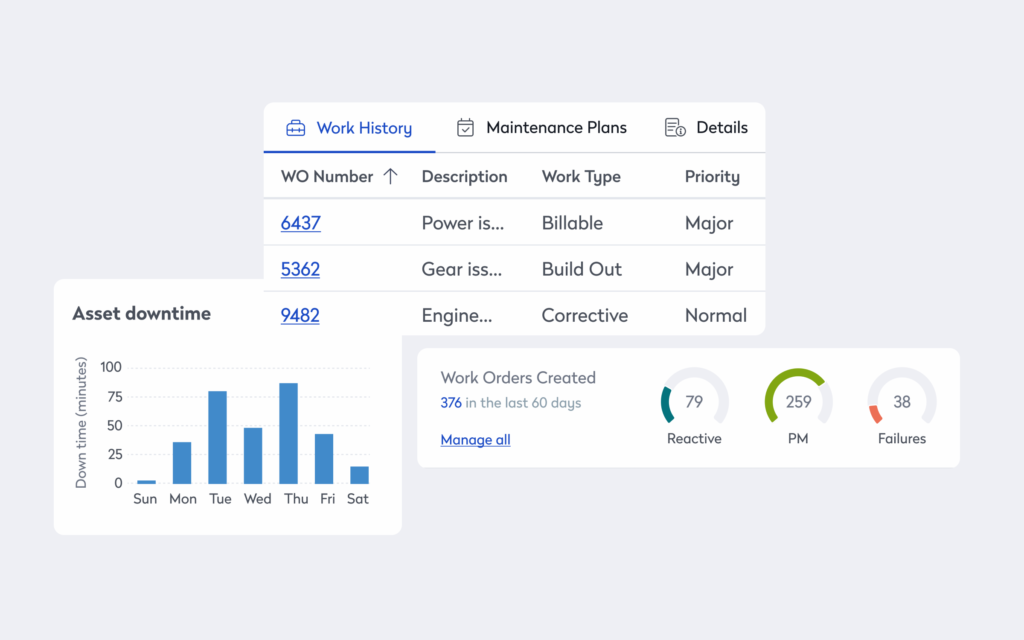
Digital tools support more strategic retirement decisions by providing full life cycle data. You can identify the tipping point where maintenance costs outweigh replacement value, helping them determine the optimal time for disposal. Historical usage patterns, repair frequency, and energy consumption data all contribute to a more informed approach.
With digitized asset records, you can accurately:
- Analyze total cost of ownership, including maintenance, energy use, and downtime, to guide replacement decisions
- Identify underperforming assets based on repair history and usage trends, avoiding extended use of inefficient equipment
- Support sustainability goals by flagging assets eligible for resale, reuse, or recycling
- Plan replacements in advance, reducing disruption and aligning procurement with budget cycles
- Ensure compliance with disposal regulations, using digital documentation to track decommissioning and environmental reporting
- Benchmark asset performance across models and vendors, informing future purchasing decisions with real-world data
By digitizing retirement planning, you can reduce waste, control costs, and make smarter decisions about when and how to retire aging assets.
Digital FM transformation at every stage of the asset life cycle
By embracing digital solutions across the entire asset life cycle, you can transform operations from reactive to proactive, data-driven decision-making. A comprehensive approach streamlines processes and reduces costs. It also helps you enhance asset performance, extend lifespans, and support broader business objectives. As the industry continues to evolve, facility teams that adopt integrated digital platforms will be best positioned to meet growing demands for efficiency, sustainability, and operational excellence.
Frequently asked questions

By Jonathan Davis
As a content creator at Eptura, Jonathan Davis covers asset management, maintenance software, and SaaS solutions, delivering thought leadership with actionable insights across industries such as fleet, manufacturing, healthcare, and hospitality. Jonathan’s writing focuses on topics to help enterprises optimize their operations, including building lifecycle management, digital twins, BIM for facility management, and preventive and predictive maintenance strategies. With a master's degree in journalism and a diverse background that includes writing textbooks, editing video game dialogue, and teaching English as a foreign language, Jonathan brings a versatile perspective to his content creation.