


The General Data Protection Regulation (GDPR) continues to define how organizations collect, process, and store personal data. For workplaces welcoming hundreds of guests each year, GDPR for visitor management is a crucial part of compliance. From digital sign-ins to automated retention policies, the way you manage visitor data can determine whether your organization passes or fails an audit.
Key takeaways
- Automation is essential: GDPR compliance can’t rely on manual processes. Automated retention, consent tracking, and audit logs reduce risk and save time
- Privacy by design builds trust: Collect only what you need, communicate clearly, and make data deletion effortless to reassure visitors
- Digital tools scale compliance: With digital twin integration, large organizations can apply consistent, compliant policies across multiple sites from a single platform
For large, multi-location companies operating in or with the European Union (EU), staying compliant means more than following the rules. It’s about proving that privacy and transparency are built into every step of the visitor experience.
Reviewing current legislation and best practices helps ensure readiness, while new tools make it easier than ever to automate compliance, streamline audits, and maintain visitor trust across every location.
GDPR compliance for visitor management systems
GDPR applies to any organization that collects or processes the personal data of EU citizens, whether the organization itself is based in the EU or not. It includes details like names, phone numbers, photos, and identification data collected at reception.
To achieve visitor data compliance, a visitor management system (VMS) should meet GDPR’s core principles:
- Lawful basis & transparency: Visitors must understand why their data is being collected and how long it will be retained
- Data minimization: Only collect what’s necessary to meet your business or security needs
- Storage limitation: Retain data only for as long as needed, then securely delete it
- Integrity and confidentiality: Protect all records with encryption, restricted access, and strong authentication
- Accountability: Maintain records and audit trails that prove compliance at any time
With a modern visitor management system (VMS), these requirements are a part of daily workflows. Administrators can create check-in flows tailored to each visitor type, such as contractors, clients, or job candidates, so that only essential data is collected.

It also lets organizations configure automated retention policies per site, ensuring visitor data is deleted on schedule and audit logs remain consistent across every location.
Key legislation and standards to know
Even as new privacy frameworks emerge, GDPR remains the foundation of visitor data compliance.
Key regulations and standards include:
- EU GDPR (Regulation (EU) 2016/679): Defines personal data rights, consent, and accountability requirements
- UK GDPR + Data Protection Act 2018: Governs UK data processing post-Brexit, mirroring many EU GDPR principles
- Articles 28 & 32: Outline data controller and processor obligations, requiring strong security measures
- ISO/IEC 27001 & 27701: Global standards for information security and privacy information management systems
For global enterprises, maintaining consistency across jurisdictions can be complex. Modern solutions centralize documentation, automates compliance tasks, and provides visibility across every region.
Data processing agreements, retention policies, and audit logs can all be managed through a single platform, simplifying cross-border governance and supporting local flexibility where needed.
Manual vs. digital visitor logs
Traditional paper sign-in sheets may seem simple, but they expose organizations to privacy and security risks. Paper logs can be misplaced, viewed by unauthorized individuals, or left undeleted for years. All of these are red flags in a GDPR audit.
Digital visitor logs within a VMS offer robust security, automation, and accountability.
| Area | Manual Logbooks | Digital Visitor Management |
|---|---|---|
| Privacy at sign-in | Visitor details visible to others | Secure, individual digital check-in |
| Retention | Manually managed | Automatic deletion per policy |
| Access control | Unrestricted | Role-based, least-privilege access |
| Audit readiness | Limited | Real-time, exportable reports |
| Rights requests | Difficult to fulfill | Quick search, export, or erase |
| Multi-site consistency | Inconsistent | Centralized control across locations |
A central privacy policy applies across the organization, while site-level configurations provide local flexibility, ensuring consistency without sacrificing control.
How digital tools support privacy standards
A modern VMS goes beyond simple record-keeping. They help operationalize GDPR requirements through automation and transparency.
- Consent management: The VMS displays localized privacy notices and stores digital consent receipts
- Automated retention: Set retention periods and the software deletes visitor data automatically once expired
- Access controls: Role-based permissions ensure only authorized personnel can view sensitive visitor information
- Audit logs: Every data interaction is tracked, creating a complete record of compliance actions
- Data-subject rights: Search, export, rectify, or erase visitor records instantly to meet GDPR response timelines
By embedding these safeguards into the visitor journey, you can reduce the risk of human error and simplify compliance for large, distributed teams.
Where digital twins help
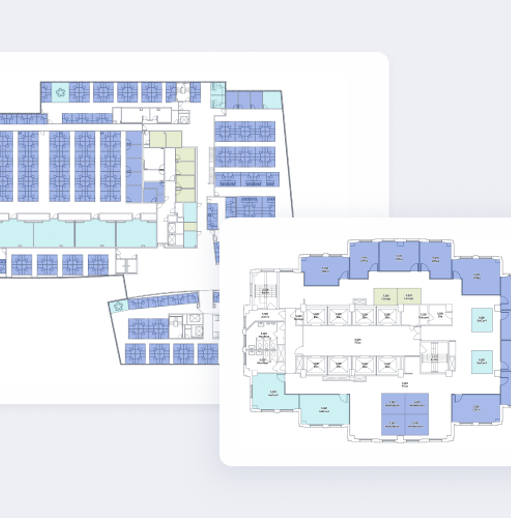
A digital twin supports GDPR compliance beyond the front desk by mapping how visitor data interacts with spaces, systems, and security protocols—when designed with privacy in mind.
Digital twin technology can help facility teams:
- Visualize visitor flows and access zones to identify where sensitive data is collected and stored
- Simulate retention or access policies before implementation to test their real-world impact
- Strengthen audit readiness by linking visitor records with physical space usage and access points
- Improve incident response by showing exactly who was in specific areas and when, while respecting data minimization principles
When integrated responsibly, digital twins offer a clear, data-driven view of how visitor data moves through the workplace, helping organizations align spatial operations with GDPR requirements.
How digital transformation simplifies GDPR visitor management
GDPR for visitor management focuses on creating trust and transparency from the moment a guest steps into your building. Manual sign-in sheets may have worked in the past, but they can’t meet the demands of modern data protection.
With a modern digital integrated solution, enterprises can confidently manage visitor data compliance through automation, centralized reporting, and secure digital visitor logs. Combined with digital twin technology, you can now visualize and verify how visitor data flows through the workplace, making GDPR compliance simpler, smarter, and more scalable than ever.
Frequently asked questions

By Amanda Meade
Amanda Meade is a content creator at Eptura, specializing in workplace experience, meeting productivity, and emerging trends in workspace planning and visitor management. With a background in content marketing and SEO, she crafts clear, actionable content that helps teams work smarter through in-office collaboration. Throughout her career, Amanda has worked across industries, including home services, healthcare, real estate, and SaaS, developing a unique ability to distill complex topics into practical insights.