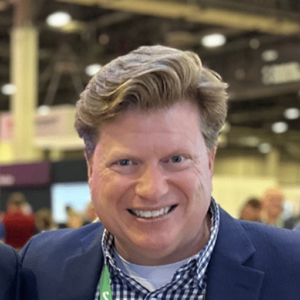





In episode 175 of the Asset Champion podcast, host Mike Petrusky speaks with Maurice Morrow, Senior Facilities & Vendor Specialist at United Therapeutics Corporation, where he is passionate about bringing a practical, solutions-driven approach to problem solving and operational improvement. Mike asks Moe why he believes that character is central to being an effective facility management leader as it impacts his daily work and professional relationships. They explore the power of IFMA connections which lead to mentorship opportunities and community engagement which enhances professional development. Facility management professionals must adapt to shrinking budgets by prioritizing critical systems and maintaining a positive attitude and emotional resilience to navigate the unpredictable and challenging nature of their work. Moe says his responsibilities are diverse and require a “go-getter” mindset, research skills, and the ability to innovate, so he encourages participation in industry events like IFMA’s World Workplace for networking and professional growth.
Agenda
- Defining what it means to be an “asset champion” in today’s FM environment
- Navigating industry challenges, especially budget constraints and resource prioritization
- The role of mentorship and IFMA community involvement in career growth
- Industry engagement, including plans to attend World Workplace
What you need to know: Facility and maintenance takeaways
Takeaway 1: Character is the foundation of high-performing facility teams
Maurice Morrow reframes from being successful in facility management by placing character at the center. Rather than focusing purely on technical expertise, he emphasizes that outcomes are shaped by consistency, attitude, and the ability to remain grounded through both challenges and wins.
In practice, this means maintaining an “even keel” mindset—acknowledging that issues will arise but not allowing them to disrupt focus or morale. Leaders who project calmness and positivity ultimately create environments where teams can perform more effectively, and opportunities can surface more naturally. His perspective underscores that being an asset champion is less about role definition and more about how individuals show up every day.
Takeaway 2: Budget constraints demand hands-on, creative maintenance strategies
As budgets tighten, Maurice highlights a shift in how facility leaders must think about resource allocation. Instead of simply cutting back, the focus turns to protecting what matters most—critical systems like HVAC — while finding creative ways to manage less essential work.
This often means stepping in directly. Whether it’s handling minor repairs or cosmetic improvements, taking a hands-on approach allows teams to redirect limited funds toward high-impact areas. His example of choosing to paint a wall himself instead of outsourcing the task reflects a broader operational mindset: every dollar saved on non-critical work strengthens the ability to maintain core infrastructure and service reliability.
Takeaway 3: Mentorship and community unlock long-term growth in FM careers
Maurice’s career journey demonstrates the lasting impact of mentorship and professional networks. Influencers like Kevin Good and Dexter Barrow helped shape not only his technical understanding but also his leadership philosophy, modeling generosity, accountability, and a people-first approach.
These relationships, along with active involvement in IFMA, show how growth in facility management extends beyond day-to-day responsibilities. Engaging with the broader community — through events like World Workplace — creates opportunities to exchange ideas, learn from peers, and stay aligned with industry evolution. As both Maurice and host Mike P suggest, success in FM is deeply tied to how individuals approach relationships, values, and collaboration.
Maintenance management insights
- Protect mission-critical systems first. Ensure HVAC and essential infrastructure remain fully supported, even when budgets shrink.
- Reallocate, don’t just reduce. Savings from lower-priority tasks can be redirected to higher-impact maintenance needs.
- Take a hands-on approach when needed. Handling smaller tasks internally can stretch budgets without sacrificing overall performance.
- Adaptability is a core FM skill
Changing environments require flexible strategies and a willingness to adjust quickly. - Leverage mentorship for faster growth
Learning from experienced professionals accelerates both technical and leadership development. - Engage with industry communities
Organizations like IFMA provide valuable insights, connections, and ongoing education. - Maintain consistency in leadership style
Staying steady and positive through challenges helps teams remain productive and aligned.
Do a deep dive into more asset management insights by exploring all Asset Champion Podcast episodes.
Watch the full video here: https://youtu.be/fCcjh5t7dys?si=-QVOQ5t7MxNWKr2e