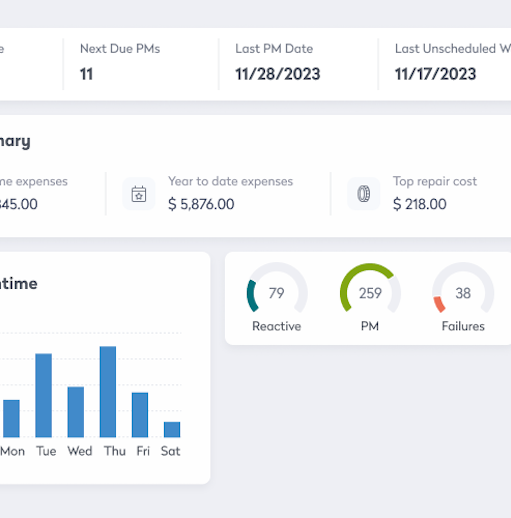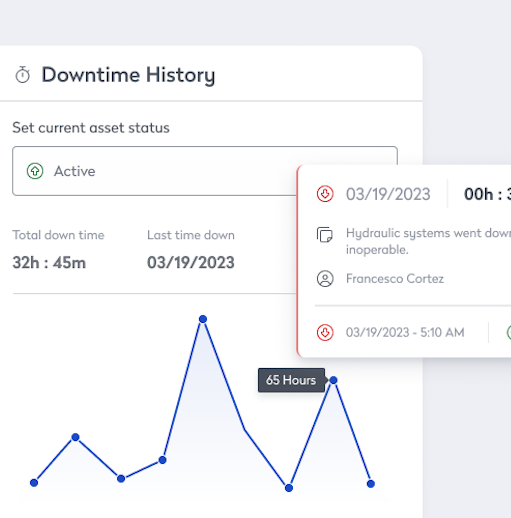



Asset reliability affects more than maintenance operations. It influences production capacity, operating costs, capital planning, regulatory compliance, and long-term asset performance. Whether you’re managing manufacturing equipment, facility systems, vehicle fleets, or critical infrastructure, reliability helps determine how consistent assets support business objectives.
A single asset failure can create immediate disruption, but the larger cost often comes from the patterns leading to it. Recurring breakdowns, increasing maintenance demands, and declining performance can quietly erode productivity and profitability over time.
Key takeaways
- Reliability is a business issue, not just a maintenance issue: Asset reliability affects production capacity, operating costs, compliance, capital planning, and long-term asset performance. Strong reliability practices help you reduce operational risk while supporting broader business goals
- Maintenance strategy directly influences reliability outcomes: Maintenance planning, scheduling, budgeting, and asset prioritization all affect how often assets fail, how long they remain available, and how much they cost to operate over time
- Reliability data supports better lifecycle decisions: Performance trends, maintenance histories, downtime records, and reliability KPIs help you determine where to focus resources, when to intervene, and whether an asset should be maintained, upgraded, or replaced
A reliability-focused approach helps connect maintenance activities to operational performance, giving you the information needed to improve uptime, control costs, and make more informed investment decisions across the asset lifecycle.
How to understand the relationship between reliability and maintenance strategy
Many teams treat reliability as a maintenance outcome, but in practice, it reflects the quality of the decisions behind your maintenance program. Every decision about what work gets prioritized, when maintenance is performed, and where resources are allocated affects how assets perform over time.
A reliability-focused maintenance strategy helps you intervene before small performance issues become larger operational problems. Preventive maintenance can reduce unnecessary wear and unexpected failures, while predictive maintenance helps identify developing issues before they disrupt operations. The goal is to match the right maintenance approach to the needs, condition, and criticality of each asset.

Reliability data should also help shape how maintenance work is planned. Failure histories, downtime trends, and asset performance information can help you prioritize work, build more effective maintenance schedules, and make more informed maintenance budgeting decisions. When maintenance planning is guided by asset performance rather than reacting to the latest breakdown, it becomes easier to improve uptime, control costs, and support broader business goals.
The business impact of poor reliability
Poor reliability affects far more than maintenance teams. As failures become more frequent, organizations often experience:
- Higher downtime and lost productivity: When critical assets fail unexpectedly, operations can slow or stop entirely. Teams may miss production targets, delay services, or struggle to meet demand while maintenance staff focus on urgent repairs instead of planned work
- Rising maintenance costs: Reactive maintenance is often more expensive than planned maintenance. Emergency labor, overtime, expedited parts orders, contractor callouts, and unplanned shutdowns can quickly increase operating expenses
- Increased safety and compliance risk: Reliability issues can create conditions that increase the likelihood of safety incidents, missed inspections, documentation gaps, or audit findings. In regulated environments, the consequences can extend well beyond maintenance budgets
- Shorter asset life and higher capital costs: Assets that experience recurring failures often require more extensive repairs and may need replacement sooner than expected. Over time, poor reliability can increase the total cost of ownership across the asset lifecycle
The impact of poor reliability is rarely limited to a single failure event. Small performance issues often compound over time, creating operational, financial, and compliance challenges that are significantly more expensive than addressing the underlying causes early.
How to build a reliability-focused asset strategy
Improving reliability starts with understanding where failures create the greatest business impact. The goal is to improve asset performance, reduce operational risk, and make better maintenance and investment decisions throughout the asset lifecycle.
Prioritize critical assets
Not every asset warrants equal attention. For example, a failed light fixture may be inconvenient, but a failed HVAC system or production line can halt operations, impact safety, or trigger compliance issues. Begin by mapping your asset inventory and categorizing equipment, systems, and infrastructure based on their impact to safety, production, service delivery, compliance, or revenue.
In practice, this means reviewing historical failure data and consulting with operations leaders to validate asset criticality. For example, in a hospital, medical imaging equipment and backup generators are prioritized over decorative lighting or office furniture.
By focusing on assets that support life safety systems or those required for regulatory compliance, organizations can establish tiered maintenance schedules. Critical assets receive more frequent inspections and preventive maintenance, while non-critical assets are managed on a reactive or less frequent basis. It’s an approach that ensures maintenance resources are directed where reliability improvements deliver the largest operational benefit, reducing downtime and supporting business continuity.
Leverage performance data to guide maintenance decisions
Work order histories, failure records, inspection results, downtime trends, and condition data can reveal patterns that are difficult to spot in day-to-day operations. For example, recurring HVAC failures in a specific building may indicate underlying issues with controls or aging components.
Aggregating maintenance data helps you build a comprehensive view of asset performance. By analyzing work order frequency, types of failures, and downtime duration for each asset, you can visualize trends and identify assets with repeated issues. Implementing condition-based monitoring like vibration sensors or temperature tracking captures real-time asset health and triggers maintenance before failures occur.
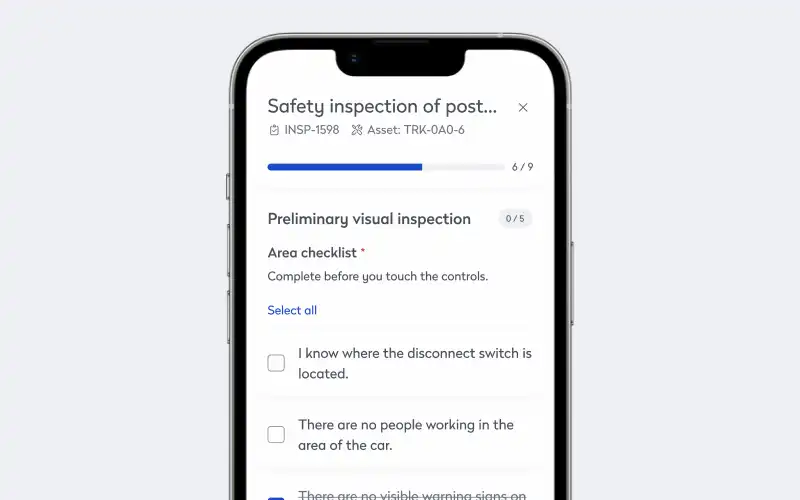
Reviewing inspection reports for recurring deficiencies and using failure codes to pinpoint common failure modes also allows maintenance teams to adjust strategies based on findings. For example, if a fleet vehicle consistently shows brake system failures, maintenance logs and sensor data can help determine if the issue is due to usage patterns, parts quality, or operator behavior.
Track reliability KPIs that support decision-making
Reliability metrics should support decisions, not reporting. Focus on measures that help you evaluate asset performance, prioritize maintenance work, and identify emerging risks.
| KPI | What it measures | Value it delivers |
|---|---|---|
| Mean time between failures (MTBF) | Average operating time between failures | Helps determine whether asset reliability is improving over time |
| Mean time to repair (MTTR) | Average time required to restore an asset to service | Identifies opportunities to improve repair efficiency and reduce downtime |
| Asset availability | Percentage of time an asset is operational and available for use | Supports operational planning and helps reveal reliability constraints |
| Asset downtime | Time lost due to failures or maintenance interruptions | Highlights assets that have the greatest impact on productivity and operations |
| Maintenance compliance | Percentage of planned maintenance completed on schedule | Indicates how consistently preventive maintenance programs are being executed |
No single metric tells the whole story. Reviewing these KPIs together can help you identify emerging risks, prioritize maintenance resources, and determine where reliability improvements will have the greatest impact.
Connect maintenance planning with lifecycle decisions
Making informed repair, upgrade, or replace investment decisions requires access to accurate operational data. That’s why industry-leading platforms — spanning EAM, CMMS, IWMS, and CAFM — are essential for asset and facility leaders.
A modern solution unifies maintenance, inspections, and asset history across sites, eliminating fragmented records and manual processes, delivering:
- Unified operational record: Teams gain real-time visibility into asset condition, work orders, and compliance, reducing downtime risk and improving reliability
- Consistent execution: By connecting maintenance, facility, and field operations, organizations shift from reactive fixes to prioritized, predictable workflows
- Measurable impact: Customers report significant reductions in unplanned maintenance and noticeable productivity improvements by leveraging integrated data and automated reporting
Modern, integrated platforms ensure every decision is backed by audit-ready data, delivering measurable ROI and supporting enterprise-scale asset and facility management.
Reliability turns maintenance data into better business decisions
The value of reliability extends beyond maintenance. Reliability data can help you prioritize investments, improve asset performance, reduce operational risk, and make more informed lifecycle decisions. When reliability becomes part of maintenance planning, budgeting, and asset management processes, it becomes easier to balance performance, cost, and risk across the organization.
Learn how to connect reliability, maintenance planning, and long-term business performance through enterprise asset management.

By Jonathan Davis
As a content creator at Eptura, Jonathan Davis covers asset management, maintenance software, and SaaS solutions, delivering thought leadership with actionable insights across industries such as fleet, manufacturing, healthcare, and hospitality. Jonathan’s writing focuses on topics to help enterprises optimize their operations, including building lifecycle management, digital twins, BIM for facility management, and preventive and predictive maintenance strategies. With a master's degree in journalism and a diverse background that includes writing textbooks, editing video game dialogue, and teaching English as a foreign language, Jonathan brings a versatile perspective to his content creation.