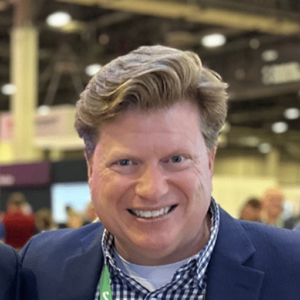





In episode 415, host Mike Petrusky speaks with Anthony Lucca, a workplace operations leader based in New York City, who has a passion for workplace operations, facility management, and employee experience. Anthony shares his aspiring career journey in the world of the workplace, tracing a path that runs from retail jobs at Apple on Staten Island through WeWork and the fintech startup Plaid, and he explains how a corporate communications degree turned into a career in workplace operations, office management, and facilities. He and Mike talk about certifications, IFMA involvement, the personality traits that make someone effective in a people-facing role, and what it takes to keep an office feeling current in a hybrid and remote world.
Agenda
- Why community and mentorship matter early in a facility management career
- What aspiring professionals want from IFMA chapters, events, and certifications
- How empathy and enthusiasm shape the employee experience in the office
- Why hospitality lessons strengthen workplace culture
What you need to know: Workplace takeaways
Takeaway 1: Careers in facility management rarely start in facility management
Anthony talks about how he worked retail jobs and then joined Apple Retail on Staten Island, where he learned that he loves people, technology, and customer support — three things he wanted to carry into every role that followed. What he did not want were retail hours, so he looked for work that was nine to five, Monday through Friday, on a team, and still centered on people. Supporting employees turned out to be the answer.
He was studying corporate communications in college while working at Apple full time, and while he considered public relations, he found himself fitting into workplace operations, office management, and facilities instead.
The variety is a large part of the appeal, he explains. “I like that no two days are the same, and there’s always going to be new exciting changes, whether it be an office move, office expansion, what have you.”
Coming from a blue-collar family, he also enjoys the technical side of the job and calls talking with facility vendors one of his favorite things. Years in, the fit still holds — “I don’t get the ‘Sunday scaries’ doing what I do,” he says.
Takeaway 2: The job is people first, and personality is part of the toolkit
“I’m three E’s: I’m enthusiastic, energetic and empathetic,” Anthony says, and he uses those traits deliberately, so employees feel them when they walk in. He describes the reaction he wants: “I go in, I see Anthony smile, and I know he’s got the office good, the snacks are great, drinks are good” — the small signals that make someone glad to be in the space, especially in a hybrid or remote company.
The personal conversations are what he values most, whether that means asking about a cousin’s wedding or congratulating someone on an engagement, and he says he has learned as much from colleagues as from any course. A fellow workplace coordinator at Plaid, whose background included hotels, the food industry, and events, taught him about culture, food, and the world, for example.
Mike expands on that idea, noting how much the FM world can learn from hospitality — hotels, food service, and chefs who create a feeling around gathering places.
“The workforce is not just the workforce.” It is human beings who need connection and to feel part of something bigger.
Takeaway 3: Small operational details carry outsized cultural weight
At Plaid, where Anthony was workplace operations coordinator supporting about 150 employees from the Puck Building with a team of four, the practice that stuck with him was deceptively minor: new hires arrived to find their technology — mice, keyboards, and the rest — gift wrapped and waiting at their desk. He calls it a cool little personal touch, and it is the kind of detail that tells someone they were expected.
The same logic runs through the food and beverage program. These are workplace decisions that never appear in a business case, yet they shape the first impression an employee forms of an organization. Anthony says he arrived at Plaid with imposter syndrome, moving from the pace of WeWork during the pandemic into a faster fintech environment, but his team guided him through it — proof that the culture worked in both directions. He still keeps in touch with them and has dinner planned next month.
Takeaway 4: Staying innovative means keeping the workplace fresh
Anthony’s view of workplace innovation starts with thinking about the next step, and the obligation to keep current applies whether you work at a fast-paced tech company or an old school real estate company, and it holds even in areas that are not specifically tech, including IFMA certifications and commercial real estate, which he says are still rapidly changing.
“You got to find new ways to make it exciting, make it a strong culture, a good, efficient office space.”
Workplace management insights
- Customer support and retail experience translate directly into workplace operations roles.
- Certifications such as FMP and CAPM pair well with hands-on workplace experience.
- Professional networks deliver the most value when they produce real relationships, not transactions.
- Empathy, enthusiasm, and energy shape how employees feel about coming into the office.
- Experience from hospitality, food service, and events offers transferable lessons for workplace culture.
- Small touches, like gift-wrapped equipment on day one, signal that an organization values its people.
- Keeping the workplace fresh is a continuous obligation, regardless of industry or company age.
Explore the full library of Workplace Innovator podcast episodes for an in-depth look at workplace insights and watch the full video here.