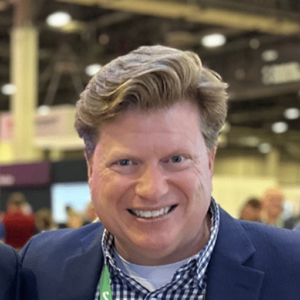





In episode 409, host Mike Petrusky speaks with Melissa Van Hagan, CFM, IFMA Fellow, and Director, Facilities & Corporate Real Estate at Hill Physicians Medical Group where she is passionate about collaborating to ensure that relevant stakeholders are kept appraised of progress and challenges while delivering appropriate level of detail for each audience. Mike asks Melissa why she believes that building strong industry relationships and community through IFMA and events like World Workplace is essential for personal and professional growth in facility management. They explore how hybrid and remote work have dramatically reshaped the modern workplace, requiring adaptive approaches to space management and employee needs, acknowledging that change management depends on both leadership vision and the willingness of employees to embrace new ways of working.
Agenda
- The value of professional networks and the IFMA community
- How workplace expectations have changed in the post-pandemic era
- Why employee engagement is critical to workplace success
- Strategies for navigating organizational change
- The role of technology and AI in the future of facilities management
What you need to know: Workplace takeaways
Takeaway 1: Listening is one of the most important skills for workplace leaders
Melissa emphasizes that successful facilities and workplace leaders must balance operational responsibilities with strategic thinking. That starts with listening to both employees and senior leadership to understand business goals, workplace challenges, and workforce expectations.
She explains that facilities professionals have a unique opportunity to bridge the gap between leadership priorities and employee experience by remaining approachable, responsive, and open-minded.
“Listen to your employees and listen to your senior management and be open-minded. Things are changing rapidly, you know, I always say that business and facilities is so tactical, but you have to be strategic as well.”
Melissa also believes that simply listening has value, even when immediate solutions are not possible.
“I never say no. I always say, let me see what I can do. You’re not promising anything, but you’re listening to them and it means the world to them.”
Takeaway 2: Employee engagement is essential in the hybrid workplace
As organizations continue to navigate hybrid and remote work models, workplace leaders must actively seek employee input instead of making assumptions about what people want. Melissa highlights the importance of involving employees in discussions about workplace changes and gathering feedback through engagement initiatives such as focus groups.
Organizations that understand employee needs are better positioned to create environments people want to use and support.
The shift toward flexible work has also reinforced the need for facilities teams to stay adaptable as workforce expectations continue to evolve.
Takeaway 3: Embracing change is critical for long-term success
Throughout the conversation, Melissa describes change management as one of the most significant challenges facing organizations today. Whether implementing new workplace policies, adopting new technologies, or redefining work models, organizations need employees who are willing to evolve alongside the business.
She stresses that resistance to change can prevent organizations from moving forward, while adaptability creates opportunities for both individual and organizational growth.
“A company cannot be successful unless people embrace the change within the company.”
Melissa encourages workplace professionals to remain flexible, open-minded, and willing to continuously learn as the industry evolves.
Takeaway 4: Technology will transform facilities management, but people remain at the center
While workplace technology and AI continue to advance, Melissa does not see them replacing the human side of facilities management. Instead, she believes technology will support facilities teams by helping them work more efficiently while allowing professionals to focus on relationships, communication, and service.
The future of the profession will depend on combining technology with the human skills that drive workplace success.
“The human person, the human element of employment and so forth is still going to need somebody that’s there… it will be there, even with AI.”
Takeaway 5: Career fulfillment comes from doing work you enjoy
Reflecting on her career, Melissa shares the importance of finding purpose and satisfaction in your work. Her passion for helping people and solving problems has shaped her approach to leadership and kept her engaged throughout decades in facilities management.
“My father’s philosophy always was if you’re spending 75% of your life working, you better darn well be happy with what you’re doing. I have to say I love what I do.”
Workplace management insights
- Listening to both employees and leadership helps facilities teams align workplace decisions with organizational goals.
- Employee engagement and feedback are key to creating successful workplace experiences.
- Hybrid and remote work continue to reshape employee expectations and workplace strategies.
- Adaptability and change management are critical skills for workplace and facilities professionals.
- AI and workplace technology will enhance facility operations but will not eliminate the need for human expertise.
- Strong professional networks and industry communities provide valuable opportunities for learning and growth.
- Long-term career success comes from finding purpose, staying curious, and maintaining a people-first mindset.
Explore the full library of Workplace Innovator podcast episodes for an in‑depth look at workplace insights and watch the full video here.