By standardizing maintenance data and inspections, we improved decision‑making across assets, leading to measurable cost savings and better control as equipment lifecycles were extended.
EPTURA > INTEGRATED OPERATIONS
Build operational momentum as complexity grows
Create a more reliable way to manage assets, facilities, and work.
Reliability breaks down in everyday work
Missed inspections, inconsistent maintenance, and scattered records rarely start as major failures. They show up in small moments—teams chasing information, reacting to issues, or working without shared context. A steadier operation starts by addressing those moments.
Shared context
Work from the same operational record
When maintenance and inspection data live in different places, teams lose time and confidence. A shared operational record creates consistency across sites, so everyone knows what’s been done, what’s planned, and what needs attention without relying on memory or manual follow‑ups.
Get a demo →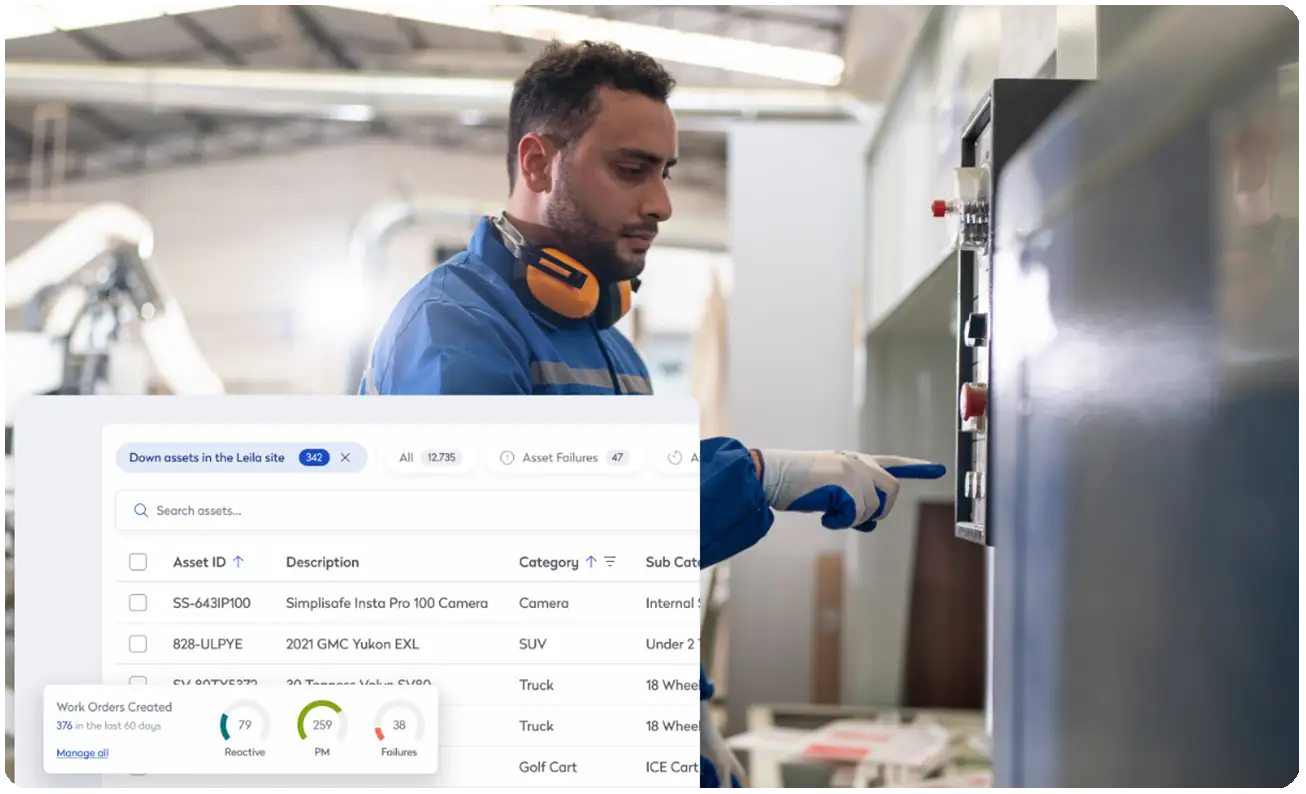
Clear priorities
Focus effort where it has the most impact
Not all assets carry the same risk, but fragmented systems treat them that way. Clear visibility helps teams prioritize the work that matters most, reduce reactive fixes, and maintain steadier day‑to‑day operations, even as assets age and environments grow denser.
Get a demo →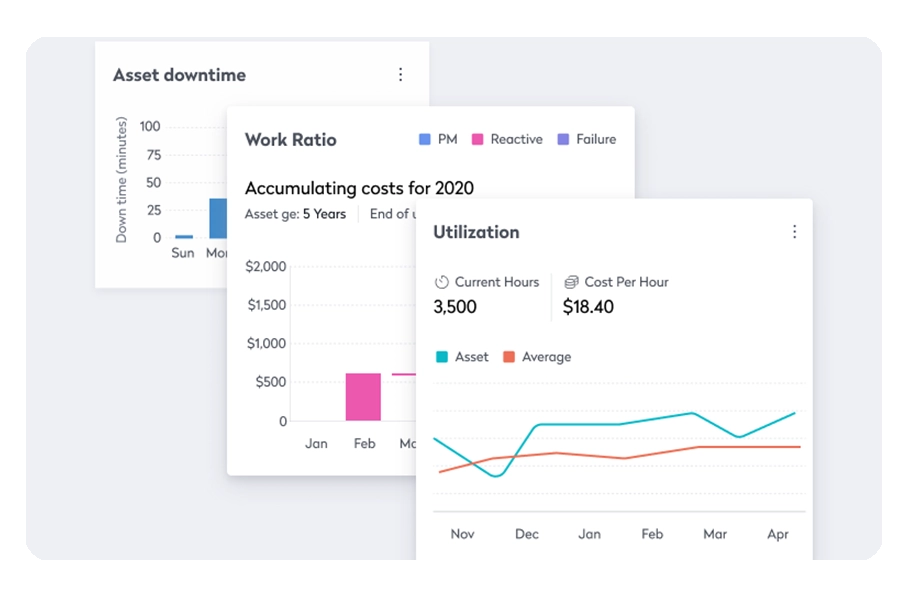
Consistent execution
Support reliable work in the field and on site
When teams lack access to history, inspections, and procedures, rework and risk follow. Consistent access to the right context, where work happens, helps jobs get done right the first time and ensures each task strengthens reliability instead of introducing new gaps.
Get a demo →
A steadier foundation for asset‑intensive operations
Reliable operations depend on consistency across assets, facilities, and people. Aligning work around shared standards and visibility helps teams stay in control as sites expand, workloads shift, and compliance expectations increase.
Maintenance and inspections
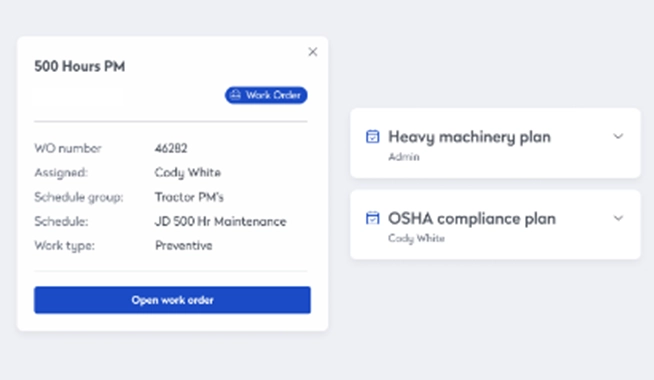
Run maintenance and inspections with consistent standards across locations. Reduce surprises, simplify audits, and maintain confidence that work is being completed as expected without adding complexity to everyday operations.
Facilities and site context
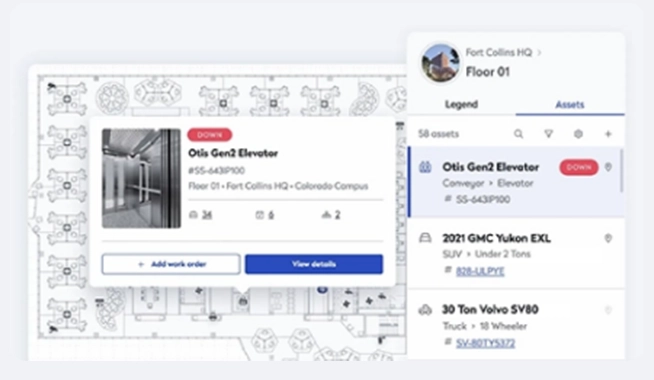
Asset work doesn’t happen in isolation. Connecting maintenance to facilities and site context helps teams understand impact, coordinate better across locations, and avoid disruptions caused by incomplete or disconnected information.
Frontline and field execution
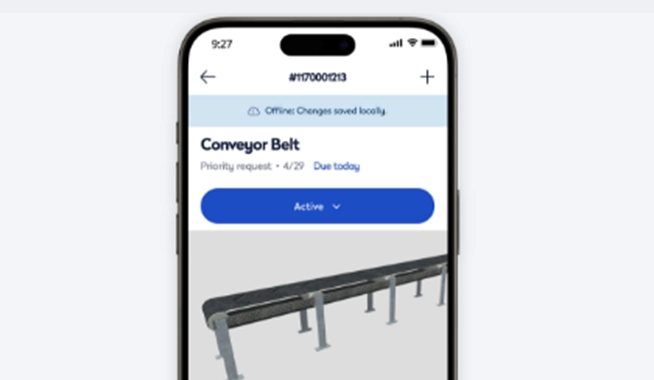
Support teams working across plants, yards, terminals, and remote sites with consistent workflows and shared records. Capture work once and carry it forward so reliability improves over time instead of resetting with every job.
Reliability goes beyond asset work
Operational stability also depends on who enters your environments and how access is managed. Connecting operational data with visitor and access workflows helps maintain safety, oversight, and continuity without adding friction to daily operations.

Integrated operations, no matter the scope
Manufacturing teams keeping production on track
Production rarely slows because of one major failure. It slows when inspections are missed, maintenance varies by plant, and teams work from different assumptions. A steadier approach helps reduce downtime and protect output as operations scale.
Logistics operations that can’t afford delays
When work spans terminals, yards, and regions, small issues compound quickly. Shared records and consistent execution help logistics teams stay on course, reduce disruption, and maintain control as asset density increases and lifecycles are stretched.
Field‑based operations beyond the four walls
Distributed work makes reliability harder to sustain. When field teams share clear standards, asset history, and inspection context, execution becomes more predictable; audits run smoother, and each completed job strengthens long‑term stability.