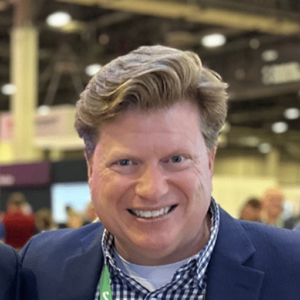





In episode 176 of the Asset Champion podcast, host Mike Petrusky speaks with Lindsey Brackett, CHC, CHFM, CHOP, CSSBB, FASHE, Chief Empowerment Officer at Legacy FM, LLC, and an influential figure in the healthcare facilities management industry where she is passionate about empowering individuals and building the next generation of FM leaders. Mike asks Lindsey about the growth of her company and the importance of ongoing education and professional certifications for facilities professionals, highlighting ASHE’s certification programs. They explore the growing role of AI in facility management and agree that AI should be used to enhance human skills but not at the expense of losing core capabilities like critical thinking and judgment. Lindsey shares about the value of authenticity and genuine human connection in professional communities encouraging listeners to invest in themselves through education, professional challenges, and personal growth for a rewarding career in facilities and asset management.
Agenda
- Involvement with ASHE and the importance of certifications in facilities management
- Leadership development and building the next generation of facility managers
- Integrating AI, technology, and process improvement into FM operations
- Authenticity in leadership and professional communication in the age of AI
What you need to know: Facility and maintenance takeaways
Takeaway 1: Leadership development is critical to advancing the facilities management profession
“We’re also really focused on building the next generation of leaders in our industry… working on things like business acumen and fundamental leadership skills that help them move from more of a practitioner… into a leader,” Lindsey explains.
Beyond technical expertise, facilities organizations must intentionally build leadership pipelines. That means equipping high-performing practitioners with financial literacy, communication skills, and strategic thinking capabilities. Without this investment, organizations risk stagnation, as teams remain operationally strong but lack the leadership needed to influence executive decision-making or drive long-term transformation.
Takeaway 2: Continuous improvement and standardization drive scalable success
Facilities management organizations looking to grow must prioritize consistency in processes and continuous improvement.
“Only outsource the skills that you want to lose,” Lindsey says, emphasizing the importance of building internal capabilities and maintaining operational control.
Standardization reduces variability, improves service delivery, and makes it easier to replicate success across sites and portfolios. Over time, organizations that embed a culture of continuous improvement position themselves to scale more efficiently, respond faster to change, and maintain higher levels of operational resilience.
Takeaway 3: AI should enhance — not replace — human capability
Both Lindsey and Mike emphasize that AI is a powerful tool, but it cannot replace human judgment.
“Those human traits… critical thinking… emotional intelligence… technology can’t replace them,” Mike explains.
AI can streamline workflows, automate repetitive tasks, and surface insights faster—but it still depends on humans for interpretation, context, and accountability. Facilities leaders should focus on using AI to augment decision-making and improve productivity while ensuring teams continue developing the cognitive and interpersonal skills that machines cannot replicate.
Takeaway 4: Investing in professional growth delivers long-term value
Lindsey highlights the importance of certifications, education, and self-investment in career development.
“You are worthy of an investment… invest in yourself… you won’t regret it,” she says.
Professional credentials not only validate expertise but also expand industry knowledge and career opportunities. At an organizational level, supporting employee development leads to stronger teams, improved retention, and better operational outcomes—making it a high-return investment for both individuals and employers.
Takeaway 5: Authenticity matters more than ever in a technology-driven world
As AI-generated content becomes more common, maintaining a genuine voice is increasingly important.
“I’ve been really intentional about using AI… because… we start to really lose… the genuine connection… and our experience that we have to share,” Lindsey explains.
Authenticity differentiates leaders in a crowded digital space. Whether communicating internally or externally, professionals who share real experiences and perspectives build stronger trust and engagement — something that cannot be fully replicated by automated tools.
Takeaway 6: Being an asset champion means thinking long-term and acting as a steward
“To me, being an asset champion is just being a good steward… making decisions today for the future,” Lindsey says.
This mindset extends beyond day-to-day maintenance to strategic asset lifecycle management. It requires balancing immediate operational needs with long-term performance, reliability, and cost considerations. True asset champions focus on sustainability, risk reduction, and value optimization — ensuring that decisions made today positively impact future outcomes.
Maintenance management insights
- Leadership development programs focused on business acumen and executive presence are essential to transition frontline practitioners into strategic FM leaders.
- Standardization and continuous improvement enable facilities organizations to scale operations while maintaining consistency and service quality.
- AI and technology act as force multipliers for FM teams, but must be paired with human oversight, critical thinking, and emotional intelligence.
- Professional certifications, education, and ongoing development provide measurable returns for both individuals and organizations.
- Authenticity in leadership and communication is increasingly important as AI-generated content becomes more widespread.
- Effective asset management requires a stewardship mindset focused on long-term decision-making and reliability-centered strategies.
Do a deep dive into more asset management insights by exploring all Asset Champion Podcast episodes.
Watch the full video here: https://www.youtube.com/watch?v=S7AN7OGZFGc&list=PLSkmmkVFvM4H3pwnlU2AuqynuRDpvnh4J&index=17