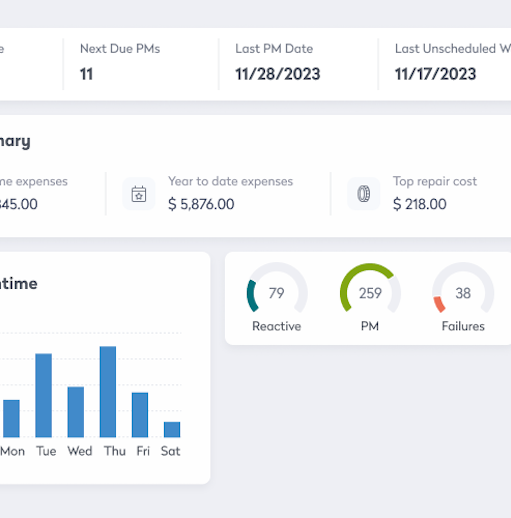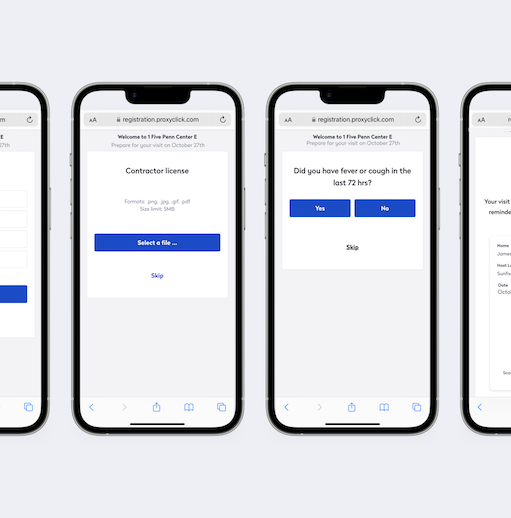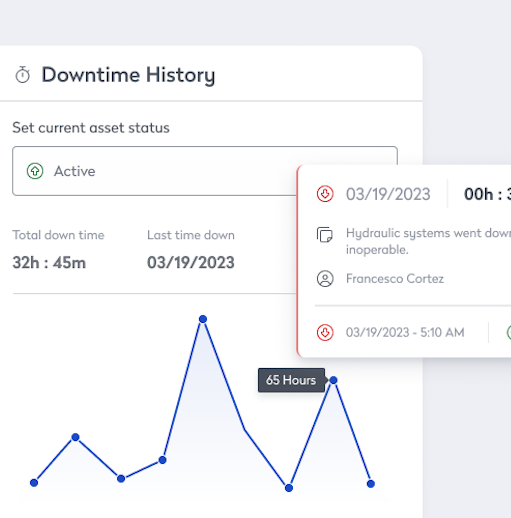



Federal facility managers already understand compliance requirements, and teams know what they need to do. They conduct inspections, maintain assets, document deficiencies, support accessibility requirements, manage emergency preparedness programs, and prepare reports for internal and external stakeholders.
The challenge has always been making those activities happen consistently across an entire portfolio, and new scrutiny is making it even harder. In 2025, the Government Accountability Office added building condition to its High-Risk List after reporting that deferred maintenance and repair backlogs across federal agencies had grown from roughly $171 billion in 2017 to $370 billion in 2024, highlighting the growing importance of facility oversight, maintenance execution, and documentation practices.
Leadership teams, inspectors, auditors, and oversight bodies expect clear answers about facility condition, maintenance performance, asset status, and corrective-action progress. The right answers don’t come from annual audit preparation. They’re from the inspections, maintenance activities, and operational reviews your team performs every day.
Key takeaways
- Federal agencies can improve compliance by making it part of everyday facility operations: When inspections, maintenance activities, documentation, and corrective actions happen within connected workflows, teams spend less time preparing for audits and more time managing facilities
- Standardized processes create consistency across federal portfolios: Common approaches to inspections, documentation, and corrective-action tracking make it easier to maintain visibility across headquarters, regional offices, field locations, and specialized facilities
- Compliance data can support better facility decisions: Inspection records, maintenance histories, and corrective-action tracking help federal facility leaders identify risks, prioritize investments, and improve long-term facility performance
Operationalized compliance helps agencies move beyond audit preparation and create more consistent, accountable facility operations. The following questions address some of the most common challenges federal facility teams face when building repeatable compliance processes.
How does operationalized compliance improve facility performance?
The long-term value of operationalized compliance extends well beyond audit readiness. When agencies create consistent records through everyday workflows, they gain information that helps improve facility operations, support decision-making, and reduce administrative burdens.
- Better visibility into facility condition: Inspection records, maintenance histories, and corrective-action tracking help facility managers identify recurring issues, understand asset performance trends, and make more informed maintenance and capital planning decisions across the portfolio.
- Stronger coordination across departments: Shared records and standardized workflows help facilities, maintenance, safety, security, and leadership teams work from the same information, making responsibilities easier to track and operational decisions easier to support.
- Less disruption during audits and reviews: When teams create and maintain documentation through routine inspections, maintenance activities, and corrective-action workflows, audit preparation becomes far less time-consuming because much of the required information already exists.
By connecting inspections, maintenance activities, documentation, and corrective actions through consistent workflows, facility leaders can improve visibility, strengthen accountability, and create a more reliable operational foundation across the entire portfolio.
What does compliance look like when it becomes part of everyday operations?
Most compliance activities originate from workflows facility teams already manage. The goal is to ensure compliance-related information stays connected to the work that generates it. When compliance becomes part of everyday operations, facility managers spend less time chasing documentation and more time managing buildings, assets, and teams.
A quarterly HVAC inspection should do more than satisfy a requirement
A technician completes a quarterly HVAC inspection at a federal office building. During the inspection, they identify a failing component that could affect system performance if left unresolved.
In some organizations, the inspection report gets saved in one location, the work order is managed in another, and supporting documentation lives somewhere else entirely. Weeks later, a facility manager may need to piece together the full story from multiple systems and records.
Organizations with stronger compliance processes take a different approach. Inspection findings, maintenance histories, work orders, and supporting documentation remain connected throughout the workflow. The facility manager can see what was identified, understand what actions were taken, verify completion, and maintain a documented history without creating additional administrative work.
The inspection still supports compliance requirements, but it also improves visibility into asset condition and maintenance execution.
An accessibility finding should not disappear after the inspection
Federal facilities must continue meeting accessibility requirements under standards such as the Architectural Barriers Act. During a site review, an inspector may identify issues that require corrective action, whether related to entrances, signage, pathways, or other facility features.
The challenge often begins after the inspection is complete.
A finding may be documented, assigned to another team, and then passed between departments or contractors before work is completed. Along the way, visibility can decrease and supporting documentation can become harder to locate.
Successful agencies connect findings directly to corrective-action workflows. Teams assign ownership, establish deadlines, track progress, and document completion within the same process. Facility managers gain confidence that identified issues are moving toward resolution instead of disappearing into a collection of spreadsheets, emails, and status updates.
Documentation should happen while work is happening
Many audit headaches begin months before an auditor arrives. Technicians complete maintenance activities. Contractors perform repairs. Inspectors conduct reviews. Documentation exists, but it often lives across email threads, shared drives, spreadsheets, and disconnected systems.
By the time someone requests proof that requirements were met, teams must locate records, validate information, and reconcile multiple versions of the same activity.
Organizations that operationalize compliance take a different approach. They capture documentation as work happens. Inspection results, supporting files, work histories, certifications, and corrective actions become part of a continuous operational record.
When an audit or review occurs, the organization already has much of the information it needs because teams created it during normal operations.
How do federal agencies make compliance repeatable across every facility?
Making compliance part of everyday operations requires more than individual effort. Facility leaders need processes that create consistency regardless of location, building type, contractor involvement, or staffing levels.
A federal agency may manage headquarters facilities, regional offices, training centers, laboratories, warehouses, field locations, and other specialized facilities. Maintaining consistency across that environment becomes much easier when everyone follows the same operational framework.
Your regional offices shouldn’t document inspections differently
A facility inspection should produce consistent information whether it takes place in Washington, Denver, Atlanta, or a remote field facility. When every location develops its own documentation practices, leadership teams struggle to compare results, identify trends, and understand portfolio-wide risk. Without a connected system, a deficiency documented at one site may look completely different from the same issue documented elsewhere.
Standardized inspection procedures, documentation requirements, and review processes help ensure teams collect the same information, maintain the same level of detail, and follow the same corrective-action procedures.
Corrective actions need the same level of attention as findings
Many organizations invest significant effort into inspections but devote far less structure to what happens next. An inspection identifies a problem. A report gets generated. Ownership is assigned. Then the issue begins moving between teams, contractors, and departments.
Facility managers need visibility throughout that process. They need to know which actions remain open, where delays are occurring, and whether recurring issues indicate larger operational concerns.
Connecting findings directly to corrective-action workflows helps maintain accountability from identification through resolution. Instead of wondering whether deficiencies were addressed, facility leaders can track progress through a defined process and maintain documentation along the way.
Compliance data should support more than audits
The strongest compliance programs create value long before anyone asks for documentation. Inspection histories, maintenance records, corrective-action tracking, facility assessments, and compliance reviews all generate information that can support planning and operational decision-making.
| Compliance activity | Operational value for facility managers |
|---|---|
| Facility inspections | Identify recurring building issues and emerging risks |
| Corrective-action tracking | Improve accountability and follow-through |
| Maintenance documentation | Reveal asset-condition and performance trends |
| Safety and accessibility reviews | Prioritize improvement efforts across facilities |
| Historical records and reporting | Support planning, budgeting, and oversight activities |
When teams use compliance information to understand facility performance, compliance becomes part of facility management rather than a separate administrative responsibility.
What capabilities help federal agencies operationalize compliance?
Once agencies establish consistent processes, the next step is making those processes easier to manage across an entire portfolio. Facility leaders need confidence that documentation remains accessible, activities stay on schedule, and records are available when needed.
Stop rebuilding compliance records every time someone asks for them
Few activities create more frustration than searching through multiple systems to answer a simple question. Inspection records, maintenance histories, certifications, corrective actions, supporting documents, and audit trails all contribute to the same operational picture. When those records are easy to access, facility managers spend less time gathering information and more time acting on it.
This is one reason many government organizations focus on creating centralized approaches to compliance management. Consistent access to facility information can help support compliance efforts while improving operational visibility.
Standardize the activities every facility already performs
Across a federal portfolio, consistency often delivers more value than complexity. Most agencies do not need dozens of compliance processes.
Instead, they need teams to follow the same approach for core activities like:
- Inspections and facility assessments
- Preventive maintenance documentation
- Corrective-action management
- Accessibility and safety reviews
- Emergency preparedness updates
Standardized workflows create a common framework that helps reduce variation across facilities while making compliance activities easier to manage and verify.
Make it easier to keep inspections and corrective actions on schedule
Many compliance activities operate on recurring schedules. Inspections, certifications, reviews, and follow-up actions all require ongoing attention.
Facility managers need visibility into what has been completed, what remains outstanding, and where additional attention may be required. According to Archibus Compliance materials, organizations can support this effort through centralized documentation, automated compliance tracking, reporting capabilities, and visibility into compliance status across facilities.
Government organizations must also consider federal security requirements when managing operational and compliance information, making secure environments such as FedRAMP-authorized solutions an important consideration when evaluating technology strategies.
How can you make compliance part of everyday facility operations?
Federal agencies will continue facing requirements related to facility condition, accessibility, safety, emergency preparedness, inspections, and operational accountability. The agencies that manage those responsibilities most effectively are often the ones that make compliance part of everyday facility operations, connecting inspections, maintenance activities, documentation, and corrective actions through consistent, repeatable workflows that improve visibility, strengthen accountability, and support better decision-making across the portfolio.
Learn how Archibus for Government helps federal facility teams standardize compliance processes, centralize documentation, and maintain portfolio-wide visibility.
Frequently Asked Questions

By Jonathan Davis
As a content creator at Eptura, Jonathan Davis covers asset management, maintenance software, and SaaS solutions, delivering thought leadership with actionable insights across industries such as fleet, manufacturing, healthcare, and hospitality. Jonathan’s writing focuses on topics to help enterprises optimize their operations, including building lifecycle management, digital twins, BIM for facility management, and preventive and predictive maintenance strategies. With a master's degree in journalism and a diverse background that includes writing textbooks, editing video game dialogue, and teaching English as a foreign language, Jonathan brings a versatile perspective to his content creation.