


Walk into almost any office today and you’ll find no shortage of workplace technology. Employees reserve desks from one app, check visitors through another, collaborate over video meetings, and submit maintenance requests from their phones. Yet despite all these digital tools, many workplace leaders are still trying to answer the same fundamental questions: How is office space really being used? Which workplace services matter most to employees? And where can operations become more efficient? The challenge isn’t a lack of technology. Most organizations already have plenty of it. The real opportunity lies in connecting workplace systems, so they support employees while giving facilities, IT, HR, and corporate real estate teams the visibility they need to make informed decisions. That shift has changed the role of workplace technology. It’s no longer just about helping employees communicate or completing individual tasks. Modern worktech supports the entire workplace, from managing office space and visitors to tracking maintenance, analyzing utilization trends, and planning future investments. As hybrid work continues to evolve, workplace technology has become an important part of business strategy. Organizations aren’t simply investing in new software. They’re building connected workplaces that can adapt to changing employee expectations, improve operational efficiency, and support long-term planning.
Key takeaways
- Workplace technology now supports workplace operations, not just communication and collaboration
- Connected platforms provide better visibility into space utilization, maintenance, visitor activity, and employee experiences
- Integrating workplace systems reduces technology fragmentation and improves decision-making across departments
- Successful workplace technology investments balance scalability, integration, usability, and measurable business outcomes
- The future of worktech lies in connected platforms powered by AI, automation, and workplace analytics
Workplace technology has evolved beyond collaboration
For years, workplace technology was almost synonymous with communication. Organizations invested in email, instant messaging, file sharing, and video conferencing to help employees collaborate regardless of where they worked. Those tools remain essential, but they represent only one part of today’s workplace technology landscape. Modern organizations rely on technology to manage nearly every aspect of workplace operations. Employees reserve desks before coming into the office, visitors check in digitally, maintenance teams receive automated work orders, and workplace leaders monitor occupancy trends through dashboards instead of spreadsheets. The result is a workplace that’s more responsive, more flexible, and far easier to understand than it was even a decade ago. Rather than operating as isolated tools, many workplace technologies now work together to support everyday operations.
Common examples include:
- Room and desk booking software
- Visitor management systems
- Workplace and occupancy analytics
- Integrated workplace management systems (IWMS)
- Computerized maintenance management systems (CMMS)
- Employee workplace apps
- Occupancy sensors and IoT devices
- Asset management software
- Digital signage and wayfinding
- AI-powered workplace assistants
Each platform solves a different challenge, but the greatest value comes when information flows between them. Connected systems create a more complete picture of workplace performance, allowing organizations to move beyond assumptions and make decisions based on real operational data.
The business impact of workplace technology
Organizations rarely invest in workplace technology simply to modernize their software. They invest because better technology can improve how the workplace functions every day. One of the biggest changes has been the ability to replace assumptions with measurable insight. Consider meeting rooms. A conference room may appear fully booked every Tuesday based on calendar reservations alone. Occupancy data often tells a different story, revealing that many meetings end early or never happen at all. That information helps workplace teams rethink room layouts, adjust cleaning schedules, and make better use of existing space instead of assuming they need to build more. The same principle applies across the workplace. Maintenance teams can prioritize repairs using real-time asset information instead of relying solely on fixed schedules. Corporate real estate leaders can compare utilization across multiple offices before making portfolio decisions. Employees can locate available workspaces, reserve meeting rooms, or submit service requests from a single application rather than navigating multiple disconnected systems. These improvements may seem small on their own, but together they reduce friction throughout the workday while helping organizations operate more efficiently. Perhaps even more valuable is the visibility connected technology provides. Instead of reviewing isolated reports from different departments, workplace leaders can understand how occupancy, maintenance, employee experience, and operational costs influence one another. That broader perspective supports better planning, whether the goal is reducing real estate costs, improving workplace experiences, or preparing for future growth.
Workplace technology goes beyond communication tools
As organizations rethink how offices support employees, workplace technology has expanded well beyond collaboration platforms. Today’s worktech helps organizations manage physical workplaces just as effectively as it supports digital work.
Room booking and space management
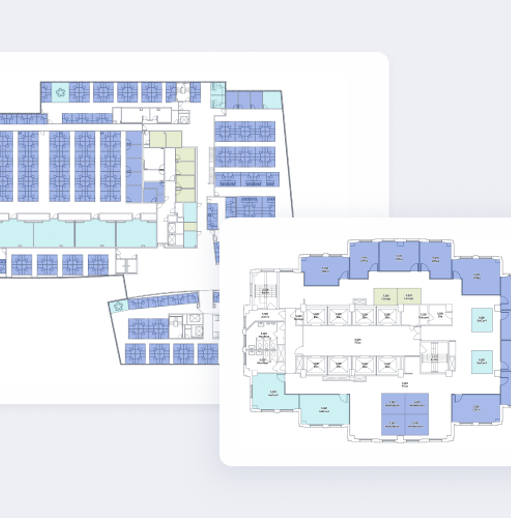
Hybrid work has changed how employees use the office. Instead of assigning permanent desks and predictable meeting schedules, organizations now manage fluctuating attendance patterns that vary throughout the week. Modern room and desk booking platforms help employees reserve workspaces before they arrive while giving workplace teams insight into how offices are actually being used. When integrated with occupancy sensors and workplace analytics, booking data becomes far more valuable than a scheduling tool alone. It helps organizations identify underused spaces, understand demand, and make more informed decisions about office layouts.
Visitor management
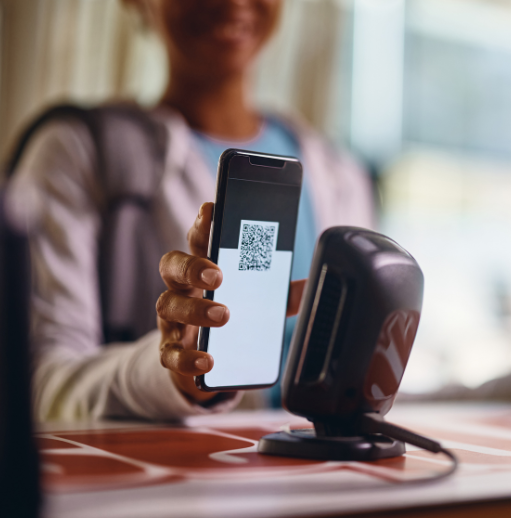
The visitor experience often shapes a guest’s first impression of an organization. Digital visitor management systems simplify the entire process by allowing guests to pre-register, receive arrival instructions, notify hosts automatically, and check in quickly upon arrival. At the same time, organizations strengthen security by maintaining consistent visitor records across locations and reducing manual administrative work for reception
staff.
Workplace analytics and employee apps
Most workplaces generate enormous amounts of data every day. The challenge isn’t collecting more information. It’s turning that information into something useful.
Workplace analytics combine data from multiple systems to help organizations understand occupancy patterns, meeting room utilization,
workplace services, maintenance activity, and employee behavior over time.
Employee workplace apps complement those insights by bringing everyday workplace services into one experience. From a single mobile application, employees can reserve desks, locate colleagues, request workplace services, access office maps, receive workplace announcements, and prepare for their day before arriving at the office. When these capabilities work together, technology becomes less visible. Employees spend less time navigating multiple applications, while workplace teams gain a clearer understanding of how people interact with the office. The conversation shifts from simply deploying workplace technology to using it as a foundation for smarter workplace operations.

Building a connected workplace technology ecosystem
Many organizations didn’t intentionally create a complex workplace technology environment. It developed gradually. One department selected a visitor management system. Facilities implemented maintenance software. HR adopted new workplace apps, while IT expanded collaboration tools and identity management. Each investment solved a specific problem, but over time those systems often became disconnected from one another. That fragmentation is why many workplace leaders are shifting their focus from adding new software to creating a connected technology ecosystem. When workplace systems share information, they provide a far more complete understanding of how the workplace functions. For example, room booking data becomes much more meaningful when paired with occupancy sensors that show whether reserved spaces are actually being used. Maintenance platforms can use asset information to schedule preventive work before equipment fails. Visitor management systems can integrate with security and employee directories to create a smoother arrival experience. These connections also improve collaboration across departments. Facilities teams gain better visibility into how space is being used. Corporate real estate leaders can evaluate utilization trends before making portfolio decisions. HR can better understand employee attendance patterns, while IT manages a more integrated technology environment. Employees benefit as well. Instead of switching between multiple applications throughout the day, they can access many workplace services from a single platform, creating a more consistent and intuitive experience. The result is more than operational efficiency. Connected workplace technology gives organizations the context they need to make smarter, faster decisions.
Common workplace technology adoption challenges
Even the best workplace technology won’t deliver value if it isn’t implemented thoughtfully. One of the most common challenges is technology fragmentation. As organizations purchase software over time, they often end up with multiple platforms performing similar functions. Employees may use one application to reserve desks, another to register visitors, and a third to submit maintenance requests. That complexity can discourage adoption and increase administrative overhead. Disconnected data creates another obstacle. Most organizations already collect occupancy information, maintenance records, booking data, visitor activity, and employee feedback. When those systems don’t communicate, workplace teams spend valuable time combining reports instead of acting on insights. Employee adoption is equally important. Workplace technology should make everyday tasks easier, not introduce additional steps. Simple, intuitive experiences are far more likely to become part of employees’ daily routines than systems that require extensive training or constant support. Successful implementations also require ongoing communication and refinement. Workplace strategies continue to evolve, and technology should evolve alongside them rather than remain static after launch.
Evaluating workplace technology investments
Choosing workplace technology isn’t simply about comparing features. Organizations should evaluate how well a solution supports both current needs and future workplace strategies. Several questions can help guide the
decision.
Can the platform scale?
As organizations grow, consolidate offices, or adjust hybrid work policies, workplace technology should adaptwithout requiring a complete replacement.
Does it integrate with existing systems?
Most organizations already rely on HR platforms, collaboration software, identity providers, building systems, and facilities management solutions. Technology that integrates with these systems reduces duplicate work and improves visibility across departments.
Does it generate actionable insights?
Data is valuable only when it helps organizations make better decisions. The strongest workplace platforms combine information from multiple sources to reveal trends, measure workplace performance, and support strategic
planning.
Will employees actually use it?
Ease of use is often overlooked during technology evaluations. If employees struggle to navigate the platform, adoption will suffer regardless of how many features it offers. The best workplace technology fits naturally into daily workflows and requires minimal effort to use. Ultimately, workplace technology should support measurable business outcomes, whether that’s improving employee experience, optimizing office space, increasing operational efficiency, or strengthening long-term workplace planning.
The future of workplace technology
The next generation of workplace technology will focus less on adding new tools and more on making existing systems work together more intelligently.
Artificial intelligence is already helping workplace teams automate routine tasks, summarize workplace data, improve search, and identify trends that might otherwise go unnoticed. Predictive analytics can highlight maintenance needs before equipment fails, while occupancy insights help organizations adjust office layouts based on actual demand instead of assumptions. At the same time, employee expectations continue to rise. People expect workplace technology to be connected, intuitive, and available wherever they work. They don’t think in terms of separate systems for room reservations, visitors, maintenance, or workplace communications. They expect those experiences to feel seamless. Organizations that embrace this connected approach will be better positioned to respond to changing business needs, shifting workforce expectations, and new workplace technologies as they emerge.
Workplace technology is becoming a business advantage
Technology in the workplace has evolved far beyond communication and productivity tools. Today, it supports nearly every aspect of workplace operations, helping organizations manage space, improving employee experiences, streamline facilities management, strengthen security, and make more informed business decisions. The organizations seeing the greatest return aren’t necessarily those with the most software. They’re the ones building connected technology ecosystems where information flows across departments; employees can easily access workplace services, and workplace leaders have the visibility needed to make confident decisions. As workplaces continue to evolve, technology will play an even greater role in connecting people, places, and operations. Organizations that prioritize integration, usability, and data-driven decision-making today will be better prepared for whatever comes next.
Frequently Asked Questions

By Erin Sevitz
As Vice President of Content and Customer Marketing at Eptura, Erin Sevitz oversees teams responsible for providing worktech insights and engaging 25 million Eptura users worldwide. With over 10 years in thought leadership on workplace management and the built environment, Erin brings deep industry knowledge to her role. Previously, she led communications for the International Facility Management Association, a global nonprofit dedicated to professional development for workplace strategists and building managers, and served as editor in chief for IFMA’s FMJ magazine.