Work order automation creates the most value when workflow design, technician execution, governance, and measurement reinforce one another. A functioning system connects every request to asset context, clear decision rules, practical field workflows, controlled approvals, and performance evidence.
A value-driving platform supports the operating model from intake through verification while preserving the data needed for maintenance and lifecycle decisions.
Key takeaways
- Evaluate the operating model, not isolated features: Test whether the technology supports your priorities, routing, approvals, field execution, parts coordination, verification, and reporting through representative maintenance scenarios
- Require one operational record from request through verification: Each request, repair, inspection, and closeout should update shared asset history so teams can identify recurring failures, understand lifecycle costs, and support repair-versus-replace decisions
- Look for evidence of controlled, measurable improvement: Confirm that teams can govern workflow changes, complete work consistently, preserve human oversight, and measure gains in reliability, backlog, downtime, productivity, compliance, cost, and data quality
The real test of work order automation is whether it creates consistent execution, a dependable asset history, and measurable operational improvement.
Consolidate work order activity around a shared operational record
Work order consolidation creates a dependable operational record from requests previously scattered across paper, spreadsheets, and separate applications. The record should show what happened, where it happened, what resources the work required, and how the activity affected the asset.
Map every way work enters the organization, including service portals, inspections, preventive schedules, sensor alerts, emails, calls, and technician observations. Look for duplicate entry, missing information, unrecorded work, and channels that bypass agreed priorities.
Then establish the minimum information your teams need. Each request should identify the asset and location, issue, priority, operational impact, safety requirements, skills, parts, procedures, and target dates. A consistent structure helps planners compare requests and gives technicians clearer instructions.
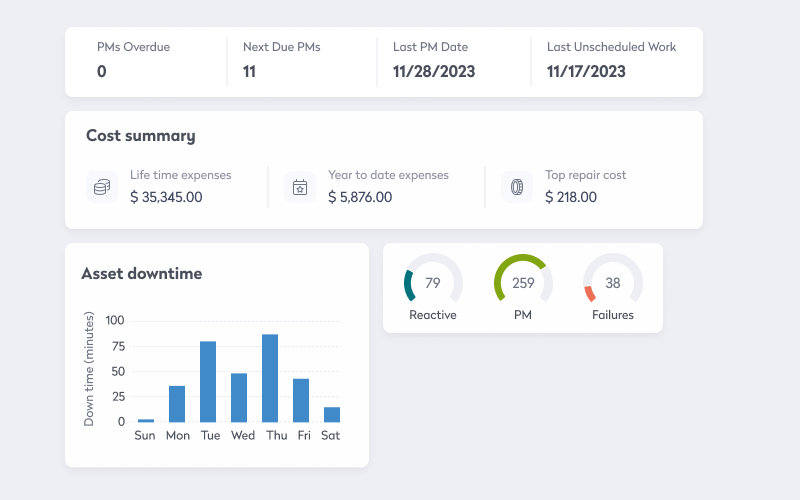
Your shared framework should produce one reliable history across locations while allowing justified differences in regulations, assets, and operating conditions. A well-designed work order process carries that information through initiation, scheduling, execution, and verification, so each stage contributes to the same operational record. The shared record improves maintenance coordination, gives operations a clearer view of risk, strengthens cost evidence for finance, and helps capital planners identify aging or unreliable assets that may require investment.
Design automation around maintenance decisions
Organizations often automate existing steps before resolving inconsistent priorities, unclear ownership, and unnecessary handoffs. The new rules then reproduce the same delays and inconsistencies at greater speed and scale.
Begin with clear rules for prioritization and routing. Safety, asset criticality, service impact, downtime risk, technician skills, location, and availability may all influence your next action. Define what should happen when work becomes overdue, a technician rejects an assignment, a required part is unavailable, or a repair exceeds an approval threshold.
AI can surface overdue maintenance, identify assets that need attention, recommend priorities, and highlight patterns for planner review. Make sure your maintenance software can apply conversational assistance to live work orders, asset history, schedules, and operational data. Connected context helps planners clarify next steps while balancing risk, available labor, production needs, and service commitments.
Avoid common work order automation mistakes
Several implementation choices can limit the value you get from automation:
- Automating inconsistent processes: Standardize priorities, responsibilities, and handoffs before configuring rules
- Requiring excessive data entry: Limit required fields to information that supports safe execution, accurate records, and future decisions
- Ignoring asset and inventory data quality: Correct incomplete records that weaken routing, planning, and reporting
- Treating every location identically: Standardize the core workflow while preserving justified operational differences
- Stopping at adoption metrics: Track reliability, backlog, downtime, cost, and data quality alongside system usage
- Removing human oversight: Keep review and approval for high-risk, safety-sensitive, and high-cost decisions
Addressing these issues early helps you build a workflow people can follow and information they can trust.
Turn completed work into asset intelligence
A completed work order documents the maintenance activity and strengthens the next asset decision. Connecting work orders to asset condition, failure codes, labor, parts, downtime, warranties, and lifecycle costs turns everyday maintenance activity into asset intelligence.
Disconnected records can make recurring defects look like isolated repairs, hide failure patterns across sites, and leave replacement decisions dependent on incomplete information. Complete history shows which assets consume disproportionate labor or parts, which failures return after repair, and where preventive maintenance intervals may need adjustment. You can use the same evidence for forecasting, warranty recovery, inventory planning, reliability analysis, and repair-versus-replace decisions.
Your work order data becomes more useful when you connect it with facilities operations, inventory and purchasing, contractor management, financial systems, building information, and condition-monitoring platforms. Those connections give you operational context while helping maintenance, operations, finance, and capital planning teams work from the same information.
This connection supports enterprise asset management that improves uptime, cost control, and lifecycle performance across the portfolio. A digital asset lifecycle management approach connects maintenance history with planning, procurement, performance, and replacement decisions across each asset’s working life.
Make consistent execution easier for technicians and supervisors
Automation succeeds when it reduces the effort required to follow the process. Complicated screens, repeated entry, missing parts information, and end-of-shift paperwork can delay work or push essential details outside the system.
Those gaps reduce technician productivity and schedule reliability, delay operations, weaken compliance records, and leave planners making decisions with outdated information.
The right set of field capabilities connect mobile execution, asset context, parts, and work documentation across integrated operations based on the work technicians need to complete and the organizational result each capability supports.
| Capability | How teams use it | Why it matters |
|---|---|---|
| Mobile and offline access | Open and update work orders, asset records, procedures, and checklists at the point of work, including locations with unreliable connectivity. | Keeps work moving across remote and distributed sites while creating a more complete and timely maintenance record. |
| Asset history and operational context | Review prior failures, repairs, readings, warranties, and open work before starting the job. | Improves diagnosis, reduces repeated troubleshooting, and helps technicians identify recurring issues that may require a wider reliability response. |
| Real-time parts visibility | Check availability, location, reservations, alternatives, and purchasing status before or during the repair. | Reduces wasted trips and avoidable delays while helping inventory teams balance service levels with carrying costs. |
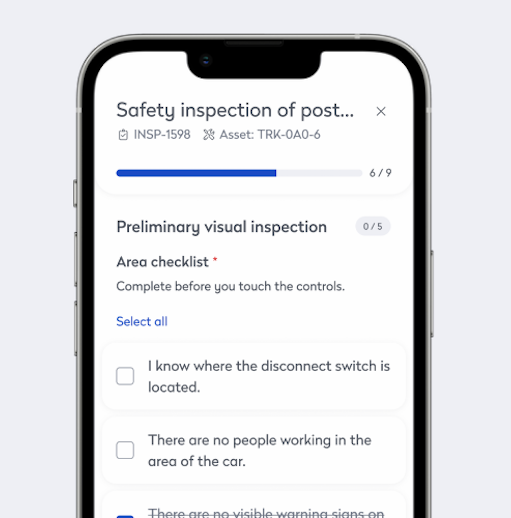
| Digital procedures and safety information | Access current instructions, permits, manuals, hazards, and required verification steps from the work order. | Supports consistent execution, strengthens compliance evidence, and reduces variation across teams, contractors, and sites. |
| Barcode or quick asset identification | Scan the asset identifier to confirm the equipment and open its record immediately. | Reduces record-selection errors and makes it easier to maintain accurate history across large or complex asset portfolios. |
| Voice-enabled work documentation | Record findings, actions, measurements, parts, and follow-up needs while completing the job. | Reduces administrative effort and gives planners a more current view of progress, asset condition, and emerging work. |
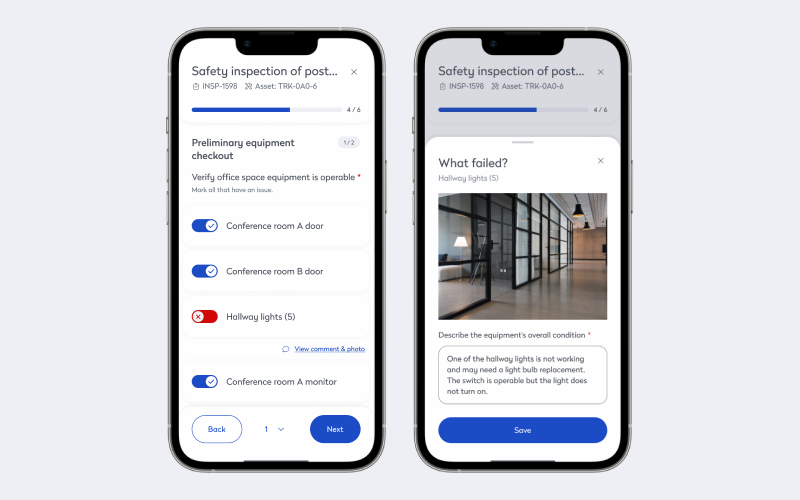
| Photos, attachments, and inspection evidence | Capture visible conditions, completed work, readings, and supporting documentation within the record. | Improves verification, remote review, audit readiness, and future troubleshooting by keeping evidence in the operational record. |
Technicians can complete work with fewer interruptions and improve decision speed across the operation. When field updates reach the same operational record quickly, supervisors can adjust schedules, planners can respond to new risks, and asset managers can use current evidence for maintenance and investment decisions.
Make sure to involve technicians, planners, supervisors, inventory teams, and contractors when designing your workflow. Their experience can expose unnecessary fields, impractical approvals, and exceptions that process maps miss. Pilot the workflow with one site, asset class, or work type, then correct it before expanding. A controlled pilot limits disruption while showing whether the process improves completion quality, data accuracy, and coordination before you scale it across locations.
Create consistent maintenance decisions across teams and sites
Maintenance leaders need consistency, accountability, compliance, and visibility. Establish clear ownership for your priority definitions, required fields, naming conventions, preventive maintenance templates, approval thresholds, escalation rules, and workflow changes. Make sure teams know who can revise a rule and how you will communicate that change.
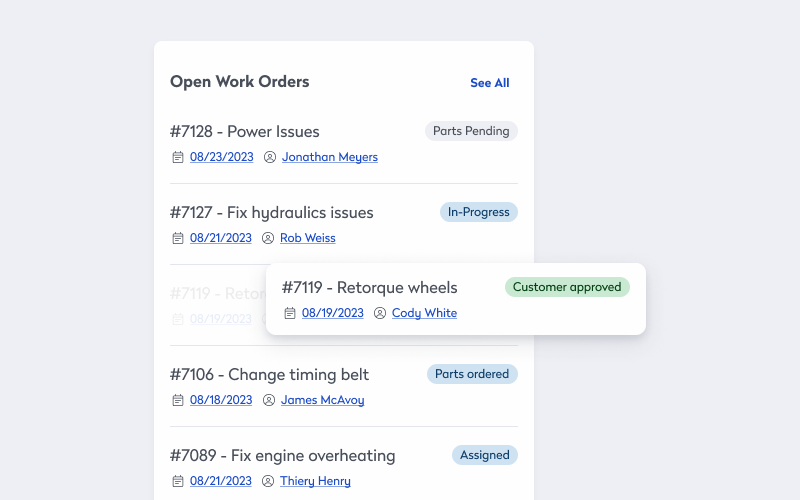
Keep human review where decisions carry material consequences. Your supervisors may need to approve high-cost work, safety-sensitive tasks, production interruptions, or changes to preventive maintenance procedures. Use audit trails to show who initiated, assigned, completed, verified, and approved work.
Measure whether automation improves maintenance performance
System activity measures adoption. Operational value appears in reliability, execution, cost, compliance, and decision-making results.
Build a baseline for request-to-assignment time, completion time, preventive maintenance compliance, backlog age, emergency-to-planned work, repeat repairs, downtime, costs, and data completeness. After implementation, compare the same measures and investigate why performance changed. That comparison helps you separate activity from results and explain whether automation supports reliability, productivity, cost control, compliance, and capital planning goals.
Also evaluate how the workflow improves the decisions that shape those outcomes. Test whether connected maintenance data produces better frontline decisions.
Can planners identify high-risk work sooner?
Look for priority changes, asset criticality, condition alerts, overdue preventive maintenance, failure history, and open-work trends. Together, these signals show whether planners can recognize escalating risk before the work becomes urgent.
Earlier visibility creates more time to intervene before a manageable issue contributes to downtime, service disruption, safety exposure, or higher repair costs.
Can supervisors see delays across sites?
Backlog age, schedule compliance, status history, reassignment records, approval queues, and site-level dashboards should reveal where work is slowing down or becoming blocked.
That cross-site view helps supervisors move labor, escalate constraints, and protect service levels before a local delay becomes a wider operational problem.
Can technicians access complete job context at the point of work?
Check mobile usage, offline access, asset-history views, procedure access, parts searches, and the time technicians spend waiting for clarification. The system should bring the information needed to diagnose and complete the job into the field workflow.
When technicians have that context at the point of work, they can reduce avoidable travel and interruptions, increase wrench time, and improve first-time completion.
Can maintenance leaders understand recurring failures?
Failure codes, repeat work, corrective maintenance frequency, downtime history, inspection results, and technician findings can expose patterns that individual work orders may hide.
Clearer patterns help maintenance leaders investigate root causes, adjust maintenance strategies, and direct reliability resources toward persistent sources of risk.
Can inventory and purchasing teams anticipate demand?
Use parts consumption, stockouts, reservations, planned-work requirements, lead times, and supplier history to connect material demand with upcoming maintenance activity.
Better demand visibility reduces parts-related repair delays while helping inventory teams maintain appropriate service levels without carrying unnecessary stock.
Can asset managers defend repair-versus-replace priorities?
The strongest evidence combines lifecycle cost, work history, downtime, condition, warranty status, utilization, and replacement value. These factors show both what an asset costs to maintain and the operational risk of keeping it in service.
A defensible evidence base helps asset managers direct capital toward the investments most likely to reduce cost, risk, or operational disruption.

Avoid assuming automation automatically improves assignment accuracy or predicts every failure. Focus on the benefits you can verify: greater consistency, earlier visibility, faster coordination, and stronger evidence for maintenance and asset decisions.
See how West Kelowna improved maintenance efficiency and productivity by 50%
The City of West Kelowna needed a clearer way to manage assets and maintenance across two water treatment plants. Its work-order-focused approach made it difficult to organize equipment by condition and service history, plan preventive maintenance, and understand each facility’s full maintenance needs.
The city connected work orders, asset records, inventory, purchase orders, inspections, and preventive maintenance in one operational environment. Technicians and planners gained easier access to asset history and lifecycle information, while connected purchasing and parts records improved visibility into maintenance spending and future budget needs.
By organizing maintenance around the asset record, the city improved preventive planning, information access, inventory visibility, and workflow productivity. The implementation contributed to a reported 50% increase in operational efficiency and productivity.
To see how the city connected its maintenance and asset information, read the full success story.
Frequently Asked Questions

By Jonathan Davis
As a content creator at Eptura, Jonathan Davis covers asset management, maintenance software, and SaaS solutions, delivering thought leadership with actionable insights across industries such as fleet, manufacturing, healthcare, and hospitality. Jonathan’s writing focuses on topics to help enterprises optimize their operations, including building lifecycle management, digital twins, BIM for facility management, and preventive and predictive maintenance strategies. With a master's degree in journalism and a diverse background that includes writing textbooks, editing video game dialogue, and teaching English as a foreign language, Jonathan brings a versatile perspective to his content creation.