
















Unplanned downtime drains 11% of annual revenue from Fortune Global 500 companies, a $1.4 trillion loss. For manufacturers, a single hour offline costs anywhere from $30,000 to $2.3 million. Many maintenance teams are turning to condition monitoring, but sensors alone don’t save money. Success depends on platform-supported program execution.
Teams can receive alerts from vibration monitors, thermal cameras, and cycle counters across multiple production lines, but only some warnings prove critical, while others are false positives. Meanwhile, valuable patterns hide in the noise, and problems escalate from early warnings to emergency shutdowns when the team can’t translate sensor data into timely maintenance work orders.
So, the problem isn’t the monitoring hardware. It’s the absence of software-solution-supported workflows that turn inspection findings into immediate maintenance actions across distributed facilities.
Key takeaways
- Inspection programs fail without systematic execution workflows: When findings sit in notebooks or standalone monitoring systems awaiting weekly reviews, minor problems escalate into emergency repair
- Alert fatigue happens when monitoring covers everything instead of focusing on critical assets: Manufacturing facilities achieve better results monitoring the 20% of equipment that drives 80% of downtime rather than deploying comprehensive sensor coverage that generates constant notifications nobody investigates
- Trending catches problems single readings miss: A vibration spike might be a transient event, but three consecutive readings showing upward trends indicate bearing deterioration requiring attention—tracking patterns over time separates developing failures from normal operational variations
Understanding why programs fail and how to avoid these pitfalls starts with recognizing the execution gaps that undermine even well-designed monitoring strategies.
Why some condition monitoring programs fail to prevent equipment breakdowns
Manufacturing organizations can deploy vibration monitors on critical motors, schedule thermal imaging routes for electrical distribution, and track production cycles on high-use equipment to cut several costs.
“IoT sensors on buildings, using technology to do predictive maintenance, condition-based maintenance, that kind of stuff means that we potentially have less interventions on equipment, meaning that we potentially can run a building to a very high standard with less people,” explains Carl Fennell in the Asset Champion podcast episode “Deep Dive into Technology – Delivering World Class Facility Management Services in the Middle East.”
While the monitoring strategies are sound and the possibility to drive a strong ROI is there, it’s the gaps between data collection and maintenance response that can cause problems.
Common breakdown patterns across multi-site operations include:
- Delayed response cycles: Inspection findings sit in notebooks or standalone monitoring systems. Reliability engineers review data weekly, discuss with planners, who eventually create work orders. Two to three weeks elapse between detecting bearing wear and scheduling repairs. Minor problems become emergency breakdowns
- Inconsistent execution: One facility responds immediately to thermal anomalies on electrical connections. Another waits until the next scheduled outage. Without standardized inspection workflows and documentation, similar conditions receive different treatment across your portfolio
- Documentation gaps: Technicians document conditions during inspections, but photos and notes live in personal files or paper forms. When equipment fails, nobody can trace whether warnings appeared during previous assessments. Lessons learned don’t transfer between shifts or facilities
- Alert fatigue: Comprehensive sensor coverage generates constant notifications. Critical warnings disappear behind the noise. Technicians stop investigating every alert, missing the signals that matter
So, even though your monitoring equipment works fine, it’s not enough. You also need maintenance management workflows that ensure inspection findings drive immediate action with proper documentation, priority setting, and accountability.
How to turn condition monitoring data into immediate maintenance actions
To see the best results, you need a carefully planned program. Successful condition monitoring programs share three characteristics: systematic inspection procedures, fast work order generation from findings, and centralized documentation that tracks trends across facilities.
Route-based inspections with mobile documentation
Manufacturing facilities achieve better results with structured inspection routes than attempting continuous monitoring on every asset. Focus vibration checks, thermal imaging, and visual assessments on the 20% of equipment that drives 80% of unplanned downtime.
A modern mobile technician app supports inspection workflows where technicians document condition assessments in the field. During vibration checks or thermal scans, for example, teams can access equipment history, record observations with photos, and generate work orders immediately when conditions require follow-up. There are no paper forms and no manual data entry later, when technicians must rely on memory.
A mobile-first approach eliminates the delays between identifying problems and creating maintenance tasks. Bearing wear documented during a Tuesday inspection becomes a scheduled work order by Wednesday, not a surprise failure three weeks later.
Meter-based maintenance for high-cycle equipment
Stamping presses, packaging machines, and material handling systems fail based on operational cycles, not calendar time. Equipment running three shifts accumulates more fatigue in one month than single-shift facilities generate in a quarter.
Preventive maintenance platforms that support meter-based scheduling generate work orders based on actual equipment usage: production cycles completed, operating hours accumulated, or units processed. Configure maintenance thresholds at manufacturer-recommended intervals, and the system automatically schedules service when equipment approaches limits—ensuring high-utilization assets receive appropriate attention without over-servicing equipment that runs occasionally.
Centralized trending across multi-site portfolios
The real value in condition monitoring comes from tracking patterns over time and identifying deterioration before failures occur. Thermal readings showing a 15°F increase from baseline indicate developing problems requiring investigation. Vibration levels trending upward over three inspections suggest bearing wear warranting proactive replacement.
Facility management platforms maintain inspection history alongside equipment records, providing reliability teams with visibility into condition trends across all facilities. Corporate engineers can identify systemic problems affecting similar equipment at multiple sites, while local teams respond to specific conditions in their operations.
A centralized documentation also supports root cause analysis when failures do occur. Review inspection findings from the past six months to determine whether warnings appeared and how the team responded. Use those insights to refine inspection procedures and response protocols across your portfolio.
Where to start: Implementing condition monitoring on critical manufacturing equipment
You don’t need to monitor everything. Start with 5-10 critical assets whose failures cause the most production disruption: motors on main production lines, compressors without redundancy, critical material handling systems.
Establish systematic inspection procedures on this core equipment:
- Vibration monitoring: Weekly or monthly checks on critical rotating equipment using handheld instruments. Document baseline readings, establish alert thresholds, and generate work orders when levels exceed normal parameters
- Thermal imaging: Quarterly scans on electrical distribution, motor connections, and bearing housings. NFPA 70B recommends annual thermographic surveys on critical electrical equipment at minimum—more frequent scanning during peak production seasons
- Duty cycle tracking: Configure meter-based maintenance schedules on high-cycle equipment based on manufacturer service intervals. Track production cycles, operating hours, or units processed, generating work orders at 80% and 100% of recommended service life
Document all inspection findings through mobile applications that create work orders on-the-spot when concerning conditions appear. Ensure technicians understand escalation criteria: what observations require immediate work orders versus increased monitoring frequency.
Measure results over three to six months: emergency repairs avoided, unplanned downtime reduced, maintenance costs saved. Use these metrics to justify expanding inspection programs to additional equipment classes.
How to maintain consistent inspection programs across multiple manufacturing sites
Many organizations launch condition monitoring initiatives with enthusiasm and cross departmental buy-in, then watch programs fade as teams revert to reactive maintenance.
In the end, program sustainability requires process discipline.
Schedule inspections like preventive maintenance
Block specific time for inspection routes in your maintenance management platform, treating them as mandatory preventive activities rather than optional checks when time permits.
Create recurring work orders for inspection routes with defined frequencies: weekly vibration checks on critical rotating equipment, monthly thermal imaging scans on electrical distribution, quarterly comprehensive assessments on high-value assets.
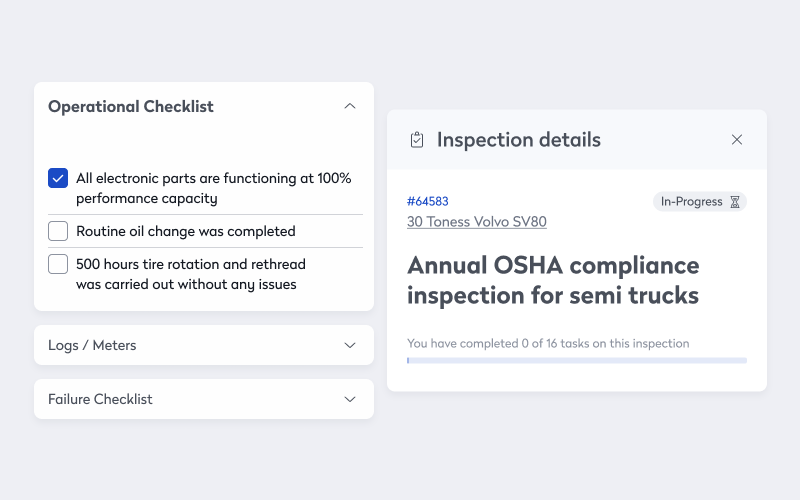
Assign inspection work orders to specific technicians with clear deadlines, tracking completion rates the same way you monitor preventive maintenance compliance. When inspection completion rates drop, investigate root causes: insufficient staffing, unclear priorities, or competing emergency work. Address these systematically rather than accepting incomplete inspection coverage.
Make sure to configure automated reminders and escalation workflows that notify supervisors when scheduled inspections approach due dates without assignment or when assigned inspections remain incomplete past deadlines. This scheduling discipline ensures inspection programs maintain consistency despite daily operational pressures.
Assign clear accountability for inspection execution and follow-through
Assign specific people to perform inspections, documenting findings, and ensuring observations generate appropriate work orders. Condition monitoring can’t be everyone’s job, or it becomes no one’s priority.
So, designate inspection route owners for each facility area: one technician owns HVAC and electrical inspections, another handles production line equipment, a third covers material handling systems.
Beyond execution accountability, assign someone ownership for program effectiveness at each site. This person reviews completion rates, analyzes findings that generated work orders, tracks whether identified issues received timely corrective action, and reports program health to facility leadership monthly. Without this oversight role, programs drift as competing priorities eat into attention.
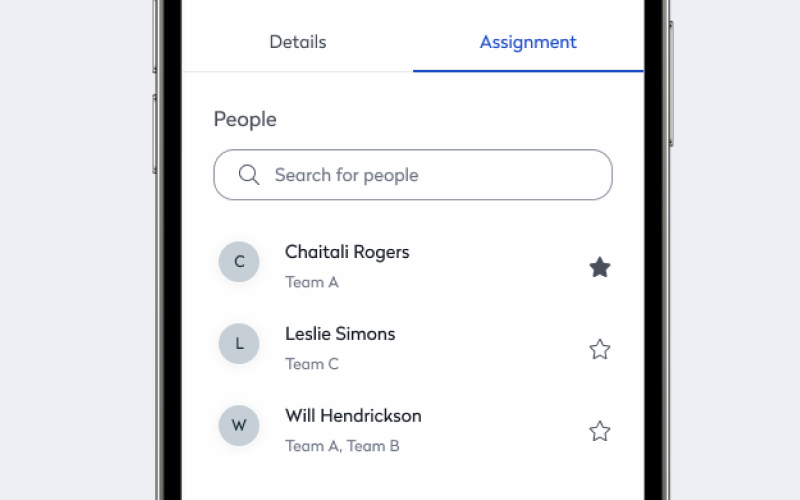
For multi-site operations, establish a corporate reliability lead who develops inspection standards, shares best practices between facilities, and tracks enterprise-wide program metrics. This centralized accountability drives consistency while allowing site-level adaptation based on local equipment and operating conditions.
Review program metrics quarterly and adjust based on results
Track inspection completion rates, work orders generated from findings, and failures prevented through early detection. Pull quarterly reports showing which inspection routes consistently identify issues requiring corrective action versus routes that rarely find problems. Increase frequency on high-value routes. Decrease or eliminate low-value inspections that consume time without delivering meaningful risk reduction.
Measure the relationship between inspection findings and subsequent equipment failures. When failures occur on equipment covered by regular inspections, investigate whether inspection procedures missed early warning signs, whether documented findings didn’t generate timely work orders, or whether maintenance actions addressed symptoms without fixing root causes. Use these failure investigations to refine inspection checklists, adjust escalation thresholds, and improve response protocols.
You can also calculate the financial impact of inspection-driven work orders that prevent failures versus costs of the inspection program itself. Document cases where inspection findings led to planned repairs during scheduled downtime, avoiding emergency breakdowns that would have cost significantly more. These metrics help you justify continued investment while identifying opportunities to optimize resource allocation across your portfolio.
Standardize procedures while allowing site-level adaptation
Develop inspection procedures and documentation templates at the corporate level, deploying consistent approaches across all facilities while allowing local teams to adjust frequencies based on their equipment and operations. Create standard inspection checklists for common equipment types: electric motors, HVAC systems, electrical distribution, compressed air systems, and material handling equipment.
These standardized checklists ensure technicians at every facility examine the same condition indicators: unusual noises, abnormal temperatures, excessive vibration, visible wear patterns, lubrication status, control response. However, inspection frequencies should reflect local operating conditions. Equipment running continuous three-shift operations requires more frequent assessment than single-shift facilities.
Document standard escalation criteria defining when inspection findings require immediate work orders versus increased monitoring.
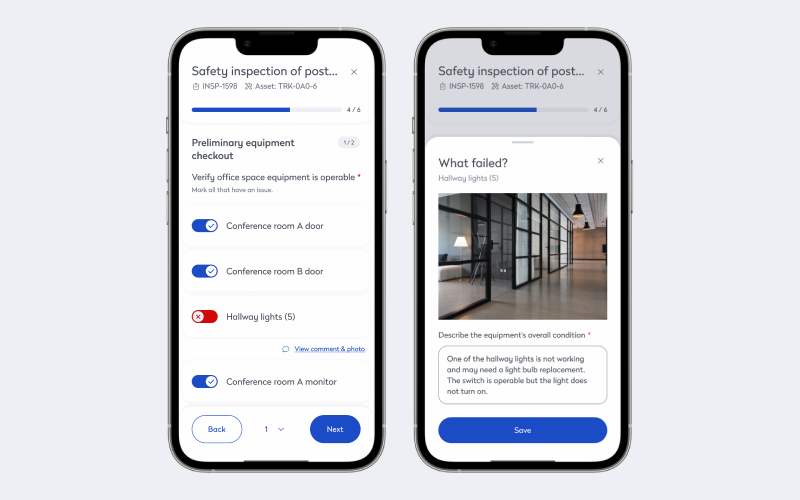
For example: vibration readings 50% above baseline generate investigation work orders within one week; readings 100% above baseline require immediate response. Temperature differentials exceeding 30°F on electrical connections create high-priority work orders.
Setting consistent escalation thresholds prevent situations where similar conditions receive different treatment at different facilities based solely on individual technician judgment.
Overall, organizations operating multiple manufacturing sites benefit from establishing centralized reliability expertise where experienced engineers develop monitoring strategies and workflow templates that scale across portfolios.
Making condition monitoring work: From sensor alerts to maintenance action
The gap between installing condition monitoring sensors and seeing measurable reliability improvements comes down to execution. Your manufacturing facilities need systematic inspection workflows that document findings through mobile applications, immediate work order generation when conditions exceed thresholds, and centralized documentation that tracks trends across multiple sites. Keeping the programs up and running successfully comes down to treating inspections like mandatory preventive maintenance activities, with scheduled routes, clear accountability, quarterly program reviews, and standardized procedures that balance consistency with site-level adaptation.
Learn more about condition monitoring and facility management trends, tech, and best practices from the experts doing this work every day on Eptura’s Asset Champion podcast.
Frequently asked questions

By Jonathan Davis
As a content creator at Eptura, Jonathan Davis covers asset management, maintenance software, and SaaS solutions, delivering thought leadership with actionable insights across industries such as fleet, manufacturing, healthcare, and hospitality. Jonathan’s writing focuses on topics to help enterprises optimize their operations, including building lifecycle management, digital twins, BIM for facility management, and preventive and predictive maintenance strategies. With a master's degree in journalism and a diverse background that includes writing textbooks, editing video game dialogue, and teaching English as a foreign language, Jonathan brings a versatile perspective to his content creation.