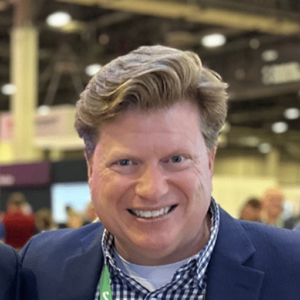





In episode 412, host Mike Petrusky speaks with Beth Goff-McMillan, who is CEO of SKG and Founder of FOLIO, where she is passionate about helping organizations create environments that inspire people, elevate performance, and reflect purpose. Mike asks Beth why she believes that workplace design should start with asking “why” and how FM leaders should focus on understanding the purpose behind bringing employees together and what the organization aims to achieve from the space. The physical office is not the strategy itself, but a direct reflection of a company’s strategy and desired outcomes for people and culture, so successful workplace innovation relies on the intersection of business vision and employee engagement. Beth says that “earning the commute” emphasizes the need to create inspiring, engaging workspaces that make employees want to come to the office and technology can help streamline the process, accelerate decision-making, and ensure thoughtful, repeatable approaches to workplace design.
Agenda
- Why workplace design should start with understanding “why”
- Human-centered design and creating meaningful workplace experiences
- The concept of “earning the commute”
- The importance of collaboration between HR, facilities, and workplace teams
What you need to know: Workplace takeaways
Takeaway 1: Workplace design should be driven by business purpose, not workplace trends
Beth emphasized that the office is not the strategy; it is a reflection of the strategy. Too often, organizations focus on popular workplace concepts, amenities, or design trends before defining what they actually want the workplace to accomplish. Instead, leaders should start by asking why employees need to gather, what outcomes the organization wants to create, and how the physical environment can support those goals. When workplace decisions are tied to business objectives, the resulting spaces are more likely to strengthen culture, collaboration, innovation, and performance.
Takeaway 2: The most effective workplace strategies begin with understanding the “why”
Whether planning a new office, redesigning existing space, or adjusting workplace policies, Beth believes leaders should start with a clear understanding of employee and organizational needs. Human-centered design requires organizations to look beyond square footage and workplace utilization metrics to understand how people work, collaborate, learn, and build relationships. By focusing on the purpose behind workplace experiences, organizations can create environments that better support employees while delivering measurable value to the business.
Takeaway 3: Organizations must earn the commute by creating meaningful workplace experiences
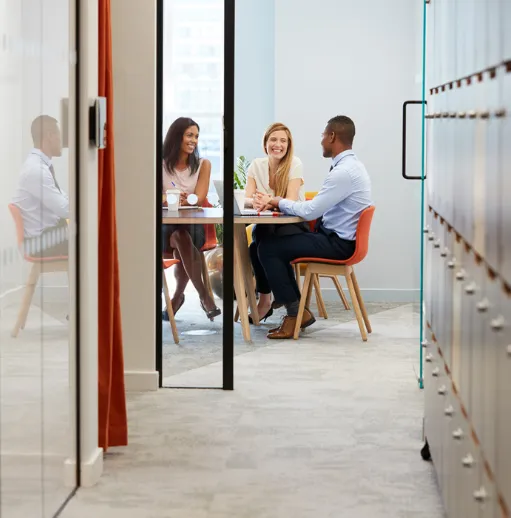
Hybrid work has changed employee expectations, making it more important than ever for organizations to provide a compelling reason to come into the office. Beth’s concept of “earning the commute” goes beyond offering perks or amenities. It means creating spaces that foster connection, collaboration, creativity, and a sense of belonging. Successful workplaces are designed around activities that benefit from in-person interaction while also supporting diverse employee needs, including accessibility, neurodiversity, and seamless technology experiences.
Takeaway 4: Cross-functional collaboration leads to better workplace outcomes
Workplace strategy is most effective when facilities, HR, workplace experience, technology, and executive leadership work together. Beth highlighted the importance of breaking down silos so organizations can align business goals with employee expectations. When these teams collaborate, they can create more cohesive workplace experiences, make better-informed decisions, and ensure that investments in space, technology, and employee programs support the same strategic objectives.
Takeaway 5: Technology should accelerate workplace strategy, not replace it
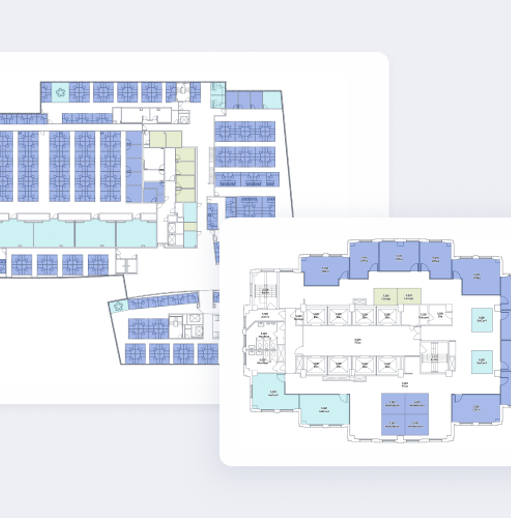
Technology and data can help organizations become more agile, streamline planning processes, and make more informed workplace decisions. However, Beth cautioned that technology is most valuable when it supports thoughtful strategy rather than replacing it. Tools like FOLIO can help teams ask better questions, align stakeholders more efficiently, and create repeatable processes, but lasting workplace success still depends on understanding people, defining objectives, and designing experiences that support both employees and business outcomes.
Workplace management insights
- Human-centered design remains critical to workplace success, particularly as organizations balance changing employee expectations and business priorities.
- Strong partnerships between HR, facilities, workplace, and leadership teams lead to better workplace decisions and stronger employee experiences.
- Staying “contemporary” means focusing on sustainable workplace evolution rather than chasing trends or adopting solutions simply because they are new.
- Technology and workplace data can improve planning and decision-making, but people and business outcomes should remain the primary focus.
- Structured tools and platforms can help organizations ask deeper questions, align stakeholders, and accelerate workplace transformation efforts.
Explore the full library of Workplace Innovator podcast episodes for an in-depth look at workplace insights and watch the full video here.