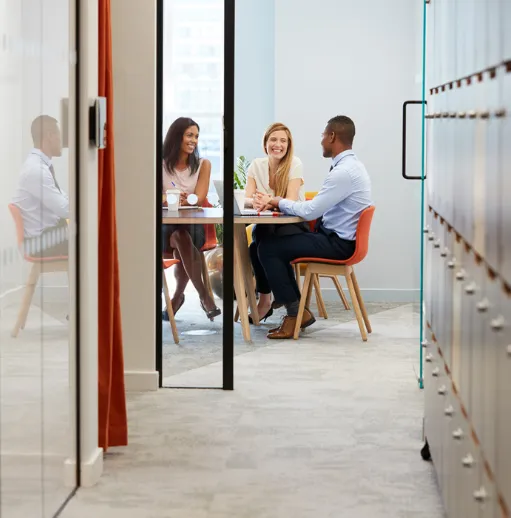





In episode 413, host Mike Petrusky speaks with Jason Leeds, Chief Growth Officer at Dartcor Enterprises, where he helps organizations use hospitality to create workplaces that strengthen culture, connection, and employee engagement. Jason brings a unique perspective at the intersection of hospitality, commercial real estate, and the future of work, so Mike asks him how hospitality helps people connect and thrive at work. They explore intentional, detail-driven experiences that can contribute to a sense of belonging and increase employee engagement as facility management leaders seek to reinvent workspaces and make them more attractive. Technology and AI, when used thoughtfully, can automate routine tasks and provide more space for genuine human interaction in the workplace, and Jason says collaboration across FM, HR, and IT is essential for delivering seamless workplace experiences.
Agenda
- How hospitality principles can transform workplace culture and employee experience
- Creating magnetic workplaces through intentional design, service, and attention to detail
- Using hospitality to address return-to-office challenges and encourage in-person engagement
- The role of AI and technology in supporting human connection at work
- Building cross-functional collaboration across facilities, HR, IT, and workplace teams
- Change management strategies that combine digital tools with personalized support
- The future of experience-driven, hospitality-inspired workplaces
What you need to know: Workplace takeaways
Takeaway 1: Small acts of hospitality create meaningful workplace experiences
Leeds believes the strongest workplace cultures are built through small, intentional moments rather than large-scale initiatives. Hospitality is about recognizing opportunities to improve someone’s day, whether through personalized service, thoughtful workplace amenities, or simply anticipating employee needs before they arise. These seemingly minor interactions have a cumulative effect, helping employees feel valued, welcomed, and connected to the workplace. Organizations that consistently focus on these details create stronger engagement, encourage positive workplace behaviors, and build a culture where people want to spend their time.
Takeaway 2: Organizations must make the office a destination employees choose
As hybrid work gives employees greater control over where they work, organizations can no longer rely on the office being the default option. Leeds argues that workplace leaders should take inspiration from hotels, restaurants, and member clubs that intentionally design experiences people actively seek out. Creating a “magnetic” workplace means focusing on everything from service and atmosphere to community and convenience. When employees view the office as a place where they can build relationships, collaborate effectively, and have experiences unavailable elsewhere, attendance becomes a choice driven by value rather than obligation.
Takeaway 3: Return-to-office success depends on experience, not mandates
According to Leeds, the return-to-office conversation should focus less on policies and more on purpose. Employees increasingly evaluate whether commuting provides meaningful benefits, making it essential for organizations to create spaces that support collaboration, innovation, mentorship, and cultural connection. The most successful workplace strategies are centered on enhancing the employee experience and making in-person time worthwhile. Rather than asking how often employees should be in the office, leaders should focus on what experiences the workplace can provide that strengthen both individual performance and organizational culture.
Takeaway 4: Technology should enable more human connection
Technology and AI can play a critical role in delivering a better workplace experience, but only when they are used to support people rather than replace them. Leeds and Mike P. discussed how workplace technologies can eliminate friction, automate repetitive processes, simplify service delivery, and provide employees with easier access to information and resources. By reducing administrative burdens, organizations give workplace teams more time to focus on what matters most: building relationships, responding to employee needs, and creating the personal interactions that foster connection, trust, and belonging.
Takeaway 5: Hospitality requires collaboration across the organization
Creating an exceptional workplace experience is not the responsibility of a single team. Leeds emphasized that facilities, HR, IT, workplace experience, and hospitality professionals must work together to align services, technology, and employee programs around a shared vision. This collaboration becomes especially important during periods of workplace change, when organizations are introducing new spaces, technologies, or ways of working. When departments operate as partners rather than silos, they can deliver more seamless employee experiences, improve adoption of workplace initiatives, and create environments that are both operationally effective and genuinely engaging for employees.
Workplace management insights
- Small, thoughtful acts of hospitality can strengthen workplace culture and improve employee engagement without requiring major investments.
- Organizations can increase office attendance by creating experiences employees cannot easily replicate from home.
- Technology and AI should be used to reduce friction and administrative burden so employees can spend more time building meaningful connections.
- Successful workplace experience programs depend on collaboration across facilities, HR, IT, and workplace teams.
- Concierge-style services and personal engagement can improve change management efforts and increase adoption of workplace initiatives.
- The most successful future workplaces will balance flexibility, human connection, hospitality, and operational efficiency.
Explore the full library of Workplace Innovator podcast episodes for an in-depth look at workplace insights and watch the full video here.