


The modern facilities manager is no longer behind the scenes; they’re at the center of it all. Acting as the connector between people, places, and technology, FMs turn buildings into ecosystems of data and collaboration.
With insights that span Corporate Real Estate (CRE), Workplace Experience (WX), IT, security, and procurement, they align every department to work smarter across every facility.
Key takeaways
- Connected data is collaboration’s backbone. Centralized platforms like Eptura Workplace and Eptura Asset give every department access to the same live information, reducing bottlenecks and improving decision quality
- Automation turns insight into action. From predictive maintenance to space optimization, connected workflows eliminate downtime and streamline FM daily tasks
- Integrated ecosystems scale success. Visitor management, space analytics, and asset intelligence combine to give FMs end-to-end visibility across every facility
By combining human judgment with intelligent tools like Eptura Workplace, Eptura Asset, and Eptura Visitor, FMs turn buildings into living systems where every decision about space, access, and maintenance supports broader business goals.
Here’s what that looks like in a typical day.
Morning routine and planning
At 6:30 a.m., the FM begins the day with a quick scan of real-time analytics inside Eptura Asset, checking for overnight maintenance alerts and energy performance trends across sites. The dashboard highlights a humidity variance in a regional data center and an HVAC unit nearing its service threshold, both automatically flagged through predictive maintenance settings.
Next, the FM opens Eptura Workplace to review space utilization reports. Heatmaps show one floor underused since a recent team relocation, prompting a follow-up with CRE to optimize seating assignments. By cross-referencing this data with sensor inputs from IT, the FM can plan adjustments before occupancy dips affect efficiency.
Every insight is actionable. Instead of juggling spreadsheets or email threads, the FM uses automated workflows to reassign technicians, adjust cleaning schedules, and log sustainability metrics—all before the first team arrives onsite.
Coordinating across departments
By midmorning, collaboration begins in earnest. The FM joins a cross-departmental call with CRE, WX, procurement, IT, and security, each referencing shared dashboards in Eptura Workplace.
- CRE views occupancy and lease cost comparisons across the property portfolio
- Space planners analyze heatmaps to identify potential reconfigurations for hybrid work patterns
- Procurement accesses vendor performance data and SLA compliance metrics stored in Eptura Asset
- IT reviews uptime logs from connected systems and verifies sensor integrations
- Security uses Eptura Visitor to assess check-in volume and access compliance
Because everyone operates from a unified data environment, updates flow seamlessly. A change to room layouts automatically updates cleaning and access permissions, ensuring operational consistency across every department.
For new employees or partners, Hans’s visitor management video has become a go-to resource—demonstrating how digital check-ins, badge creation, and real-time notifications integrate with broader workplace systems to create a secure, frictionless experience.
Problem-solving on the fly
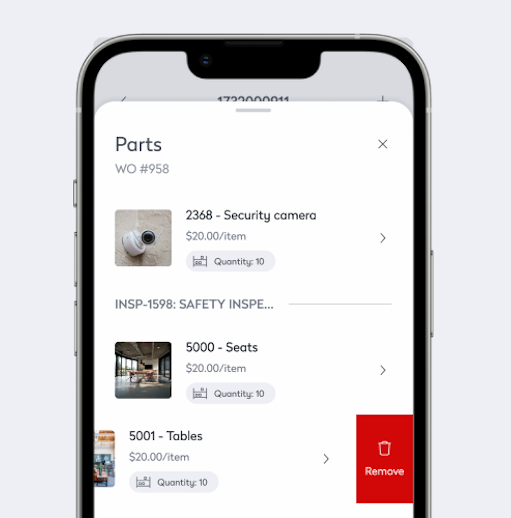
At 1:00 p.m., an alert from Eptura Asset signals an air-handling unit fault in the downtown coworking site. Instead of calling multiple vendors, the FM pulls up the unit’s full service history, identifies the component under warranty, and dispatches a technician directly from the mobile app.
Within minutes, WX and IT teams are notified through Eptura Workplace that affected rooms will be temporarily offline. The procurement lead authorizes replacement parts, while the security team adjusts temporary access to the service corridor—all within the same connected ecosystem.
In the past, this coordination would have taken hours and multiple email chains. Now, the integrated workflows mean the issue is resolved quickly, with every step documented for future audits.
End-of-day reporting and KPIs
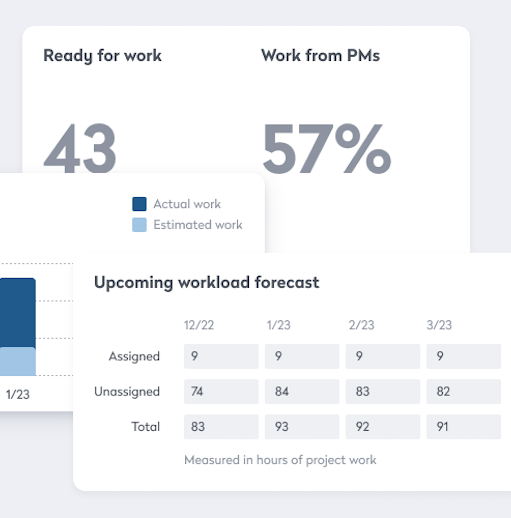
By late afternoon, the FM shifts from operations to analysis. Inside Eptura Workplace, a unified dashboard aggregates key facility metrics:
- Energy efficiency: Portfolio-wide consumption trends benchmarked against sustainability goals
- Space utilization: Real-time occupancy data and meeting-room usage
- Maintenance performance: Ticket closure rates and mean time to resolution pulled from Eptura Asset
- Vendor compliance: Procurement spend and SLA adherence
- Visitor data: Check-in volumes, badge activity, and compliance audits captured in Eptura Visitor
With the data already visualized, the FM can export insights directly to leadership—turning a day of activity into a snapshot of measurable impact. Automation reduces manual reporting, while integrated analytics highlight patterns that guide strategic improvements for the next quarter.
Supporting FM roles with software
Facilities management requires both agility and precision. With integrated tools like Eptura Workplace, Eptura Asset, and Eptura Visitor FMs can move beyond reactive problem-solving to drive continuous improvement.
These platforms help facility leaders:
- Unify people, place, and asset data in one connected ecosystem
- Automate FM daily tasks like scheduling, preventive maintenance, and service tracking
- Enable cross-functional collaboration between CRE, IT, procurement, and security teams
- Visualize real-time insights for smarter, faster decision-making
- Enhance workplace safety and experience through automated access control and visitor transparency
The outcome is a workplace that adapts dynamically—backed by data, not guesswork.
Where Human Insight Meets Intelligent Technology
The modern facilities manager role blends human insight with intelligent technology. By connecting systems, aligning data, and uniting departments, FMs move from operational firefighting to strategic leadership.
With tools like Eptura Workplace, Eptura Asset, and Eptura Visitor, facilities managers can transform every building into a smarter, safer, more collaborative place to work.
Frequently asked questions

By Erin Sevitz
As Vice President of Content and Customer Marketing at Eptura, Erin Sevitz oversees teams responsible for providing worktech insights and engaging 25 million Eptura users worldwide. With over 10 years in thought leadership on workplace management and the built environment, Erin brings deep industry knowledge to her role. Previously, she led communications for the International Facility Management Association, a global nonprofit dedicated to professional development for workplace strategists and building managers, and served as editor in chief for IFMA’s FMJ magazine.