


While operational excellence has always been the gold standard for efficiency and reliability in facility and asset management, it’s quickly evolving. Hybrid work patterns, rising energy costs, and stricter compliance requirements are reshaping what it means to run high-performing teams. Leaders can no longer rely on incremental improvements or siloed systems. They need connected ecosystems and AI-backed workflows that drive measurable ROI, reduce operational risk, and create a competitive advantage by turning data into decisions faster than ever.
However, the gap between what technology makes possible and what most organizations are currently able to achieve is widening. Advanced tools promise predictive maintenance, automated compliance, and intelligent space planning, yet many businesses remain stuck with fragmented systems and slow reporting cycles that cut productivity and increase costs.
Key takeaways
- AI-backed workflows raise the bar for operational excellence: Connected ecosystems and intelligent automation are no longer optional. They’re now essential for agility, resilience, and insight-driven decisions
- Fragmented systems create a costly gap between potential and performance: Many organizations still rely on siloed tools and manual reporting, making it harder to deliver the real-time intelligence teams need
- Closing the gap requires strategy, not just technology: Integration, governance, and a data-first culture are critical for turning AI investments into measurable business outcomes
Executives want actionable intelligence at their fingertips, but getting there requires more than adopting new software. It demands a deliberate strategy for integration, governance, and cultural change.
Why AI-backed workflows and connected ecosystems set a higher bar for operational excellence
Operational excellence used to mean incremental improvements and cost control, but that standard no longer applies. Today’s executives face hybrid attendance patterns, tightening compliance requirements, and rising energy costs, all of which demand faster decisions and connected data.
AI-backed workflows go beyond operational efficiency. They deliver measurable cost savings by reducing downtime, mitigate compliance risks through automated reporting, and scale seamlessly across portfolios. These capabilities help leaders protect margins, reduce exposure, and position their organizations for growth in a volatile market.
The challenge here is fragmentation. Half of businesses run an average of 17 separate worktech systems, creating silos that slow analysis and inflate costs, according to Eptura’s Workplace Index.
In fact, many teams still rely on manual processes, with 37% of organizations requiring 11 or more employees just to collate, analyze, and report operational metrics. Without integration, even the most advanced AI tools can’t deliver their full potential.
Core pillars of AI-driven operational excellence
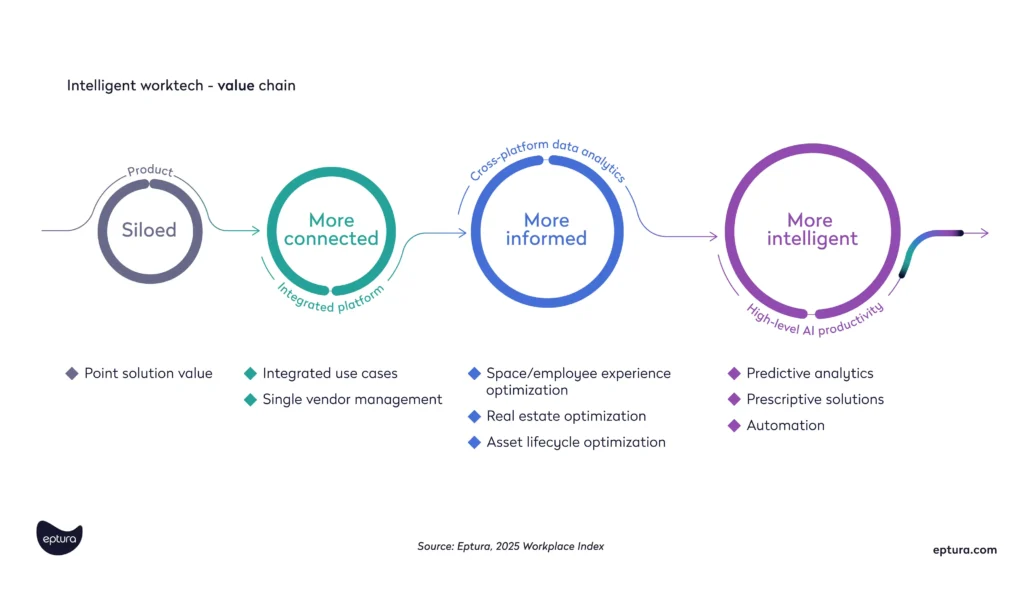
To close the gap between potential and performance, organizations move through a value chain: first becoming connected, then informed, and finally intelligent. Each stage delivers measurable business impact, including cost control, risk reduction, and strategic agility.
More connected
Integration is the foundation. By replacing silos with shared workflows and a single view of assets, spaces, and people, leaders eliminate duplicate software costs and reduce manual handoffs. This visibility supports portfolio optimization, enabling executives to align capital allocation with real-time operational data rather than outdated reports.
This step isn’t just about technology. In fact, it’s more about visibility. When systems connect, you gain a clearer picture of operations and can start aligning decisions across departments.
More informed
Once the organization has integrated its systems, they can unlock cross-platform analytics for occupancy, energy, maintenance, and portfolio planning. At this stage, you get faster access to insights, while spending less time and labor on reporting. And faster reporting means leadership can make decisions that reduce waste and improve margins without waiting weeks for manual analysis.
Better data, though, doesn’t automatically mean better decisions. Leaders still need to make information usable for employees.
In a Workplace Innovator podcast episode, Kay Sargent, director of thought leadership, interiors at HOK, explained the challenge: “We’re collecting a lot of information right now, but we aren’t necessarily putting it in the hands of the users to empower them to do it.”
More intelligent
The final stage is where AI delivers full strategic value. Embedded intelligence enables predictive maintenance, prescriptive interventions, and automated compliance reporting—critical for risk mitigation and audit readiness. AI accelerates complex cost-benefit analysis, such as determining when asset replacement is more economical than repair, helping executives protect budgets and extend asset life.
“AI can tell you when the cost of maintaining an asset exceeds the cost of replacement—analysis that might take humans hours,” explained Dean Stanberry, immediate past chair of IFMA’s global board, on the episode “’What Lies Ahead?’ – AI’s Role in Solving Key Challenges in Facility Management.”
Executive roadmap: how to plan for AI-driven operational excellence
Seeing actionable intelligence takes more than technology. You need a clear strategy for integration, governance, and cultural change.
Assess your position on the value chain
Before investing in AI or advanced analytics, you need clarity on where your organization stands today. Your baseline determines how quickly you can scale and which gaps to address first. Without it, you risk implementing tools that cannot deliver value because foundational integration is missing.
Start by evaluating three factors:
- Integration depth: Are systems unified or fragmented?
- Reporting speed: How quickly can you turn raw data into actionable insights?
- Automation coverage: Where does AI actively prescribe or execute tasks?
Understanding your position on the worktech value chain helps you sequence improvements logically, which can often mean starting with integration before moving to analytics and automation. A carefully planned approach reduces disruption, accelerates ROI, and ensures every step helps build a solid system.
Define strategic objectives and measurable outcomes
AI initiatives fail when they lack clear business alignment, so start by defining outcomes that matter most like reducing maintenance backlog, improving energy efficiency, or stabilizing mid-week occupancy and then translating those goals into measurable KPIs, including mean time to repair, energy intensity per square foot, and percentage of preventive work orders provide visibility into progress.
To create value from analytics, you need to tie them to operational goals. For example, cross-analyzing energy use with real-time occupancy data helps leaders reduce waste and optimize space, turning insights into tangible savings.
Build governance, security, and risk frameworks with IT
Security, compliance, and data integrity must underpin every AI initiative. Without strong governance, even the most advanced technology can introduce vulnerabilities that compromise trust and derail transformation, which is why IT should be involved from the very beginning, not as a late-stage reviewer, but as a strategic partner.
Start by co-creating requirements for identity management, data retention, role-based access, and API security before shortlisting solutions. These guardrails ensure that every integration meets organizational standards and regulatory obligations. When IT is part of the planning process, you can anticipate risks, validate vendor capabilities, and avoid costly rework later.
A proactive approach does more than close security gaps. It accelerates procurement by aligning stakeholders early and prevents delays caused by compliance concerns. It also ensures safe integration across legacy systems, which is critical for organizations with complex portfolios.
Prioritize high-impact, near-term use cases
At this stage, quick wins can build confidence, secure buy-in, and create momentum for broader initiatives. They also help validate your data strategy and governance framework before scaling up to more complex deployments.
Start with use cases that combine operational impact with measurable ROI, including:
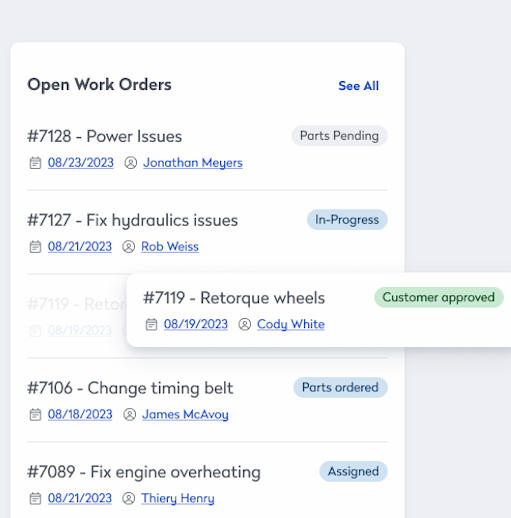
- Predictive maintenance: Moving from reactive to proactive service reduces downtime and technician overtime. By using IIoT sensors and anomaly detection, teams can anticipate failures and schedule repairs before breakdowns occur. The approach cuts costs, extends asset life, and improves reliability
- Occupancy analytics: Hybrid work has created uneven demand, with mid-week peaks straining space and resources. Analytics help leaders flatten this “midweek mountain” by identifying usage patterns and enabling flexible desk-sharing strategies to improve employee experience and optimize real estate costs
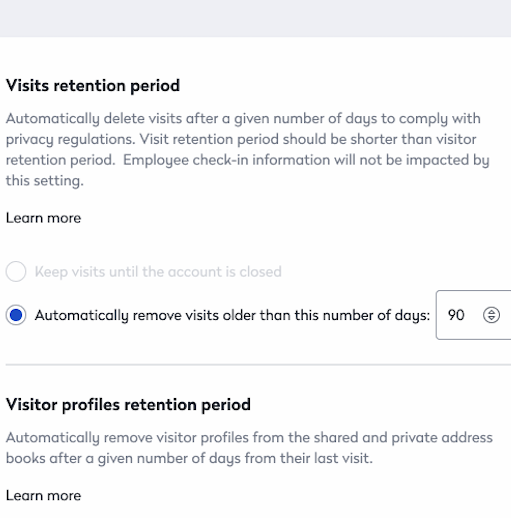
- Visitor automation: Manual check-ins slow operations and increase security risks. Automating visitor management creates a frictionless experience while strengthening compliance. Features like pre-registration, QR-based access, and integrated security audits reduce wait times and improve safety
Ideally, these use cases deliver measurable improvements quickly, proving the value of integration and analytics before scaling to advanced AI applications. They also help establish governance standards early.
Foster a data-first culture across operations
Technology adoption fails without cultural alignment, so building a data-first mindset is a leadership responsibility. When executives champion transparency and celebrate early wins, they accelerate adoption and position the organization for sustainable operational excellence.
Start by making data accessible and meaningful. Dashboards should be more than static reports. Instead, they need to tell a story that connects operational metrics to real-world outcomes. When employees see how preventive maintenance reduces downtime or how energy-efficient settings cut costs, they’re more likely to embrace change.
Upskilling is also critical. Train teams to question assumptions, validate data, and respond to early signals. Encourage collaboration between departments so insights don’t stay locked in silos. Reinforce that AI is an augmentation tool, not a replacement for human expertise. It’s a mindset that helps reduce resistance and builds confidence in automation.

Incentives matter, too. Align performance goals with behaviors that support proactive decision-making, including prioritizing preventive work orders or optimizing space usage. Recognize and reward teams that use data to solve problems before they escalate.
Finally, lead by example. Share early wins widely and document best practices in clear playbooks. When leaders demonstrate transparency and celebrate data-driven success, they help shift the organization from intuition to insight. That cultural shift is the foundation for sustainable operational excellence.
Closing the gap between potential and performance in 2026
AI-backed workflows and connected ecosystems are redefining what operational excellence means. The bar is higher now not just for efficiency, but for agility, resilience, and insight-driven decision-making. Yet the gap between what technology makes possible and what most organizations achieve remains significant. Our research shows how fragmented systems, manual reporting, and slow access to actionable data continue to hold teams back.
Closing that gap requires more than adopting new tools. You need a clear roadmap for integration, governance, and cultural change. When you align objectives with measurable outcomes, partner early with IT, and prioritize quick wins, you can create momentum for lasting positive transformation.
Organizations that act now will set the standard for efficiency, resilience, and competitive advantage in the next decade. Those that wait risk falling behind as AI becomes the foundation for smarter, faster, and more profitable operations.
Frequently asked questions

By Jonathan Davis
As a content creator at Eptura, Jonathan Davis covers asset management, maintenance software, and SaaS solutions, delivering thought leadership with actionable insights across industries such as fleet, manufacturing, healthcare, and hospitality. Jonathan’s writing focuses on topics to help enterprises optimize their operations, including building lifecycle management, digital twins, BIM for facility management, and preventive and predictive maintenance strategies. With a master's degree in journalism and a diverse background that includes writing textbooks, editing video game dialogue, and teaching English as a foreign language, Jonathan brings a versatile perspective to his content creation.