What is ID Match?
ID Match is the result of months of successful beta testing by organizations like yours.
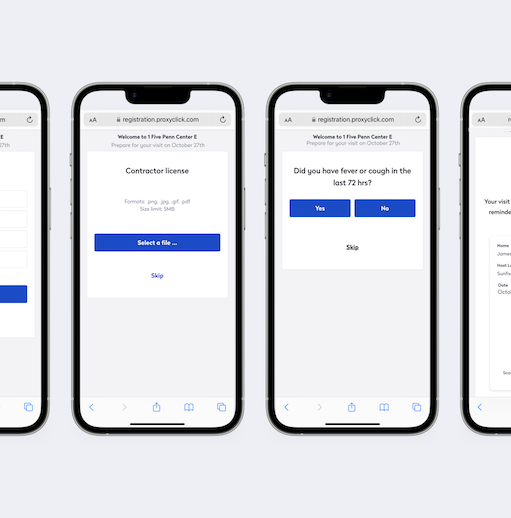
With this new feature you can automate the identity verification process by using your visitor’s government-issued ID.
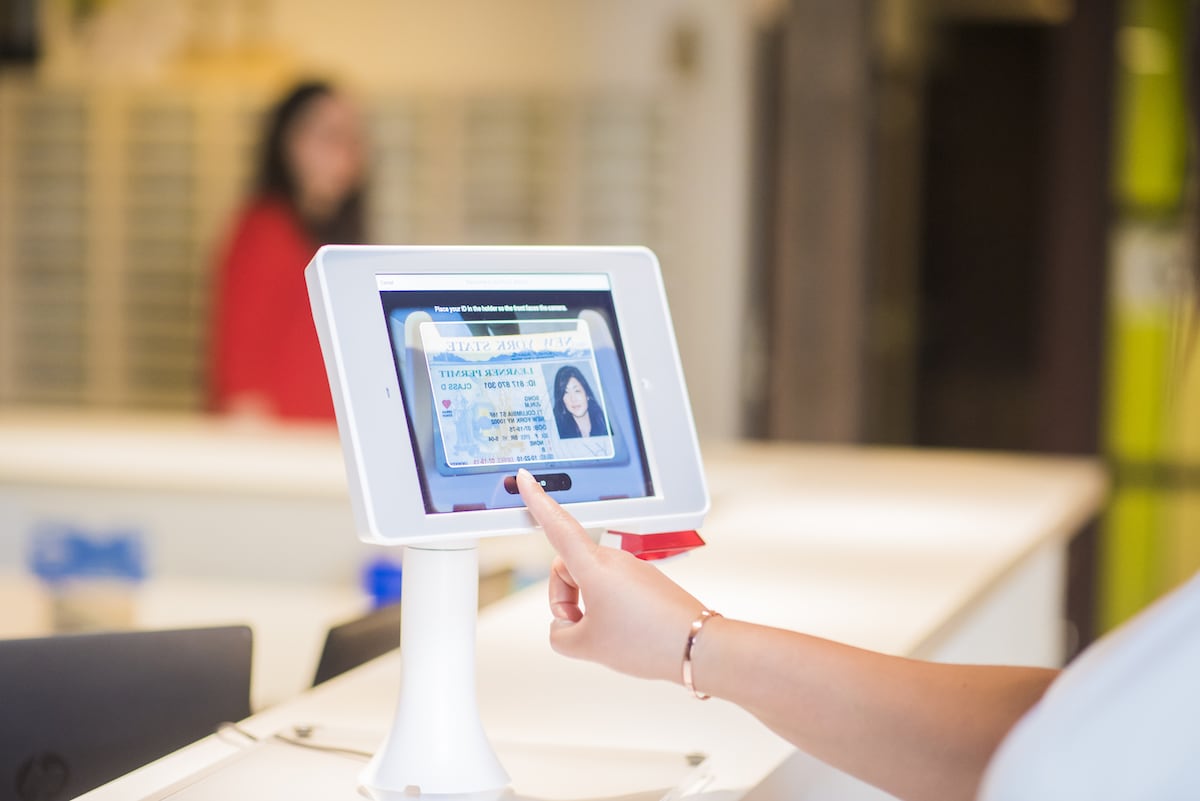
Currently, 6,ooo+ forms of official IDs from the 50 US states, plus 200 countries, are supported through ID Match. The picture on the ID is compared via facial recognition technology—with the picture taken on the tablet—producing a score based on similarity.
Important to note: The score (between 0 and 100%) will only be displayed in the Dashboard. It will not be visible to your visitors or contractors. Discretion is key to everyone’s safety and visitor experience.
What about data privacy?
ID Match is wholly GDPR-compliant as we only store the picture of the visitor and their first/last name. These pieces of information are parsed via something called OCR (Optical Character Recognition).
Nothing else is stored.
Additional security and compliance benefits
ID Match puts you in regulatory-compliant waters in the event of risk management and trade partnership programs such as C-TPAT (US), PIP (Canada) or AEO (Europe).
Furthermore, it protects you in the event of insurance-related incidents where you may have to produce evidence of stringent security measures.
As a content creator at Eptura, Jonathan Davis covers asset management, maintenance software, and SaaS solutions, delivering thought leadership with actionable insights across industries such as fleet, manufacturing, healthcare, and hospitality. Jonathan’s writing focuses on topics to help enterprises optimize their operations, including building lifecycle management, digital twins, BIM for facility management, and preventive and predictive maintenance strategies. With a master's degree in journalism and a diverse background that includes writing textbooks, editing video game dialogue, and teaching English as a foreign language, Jonathan brings a versatile perspective to his content creation.