

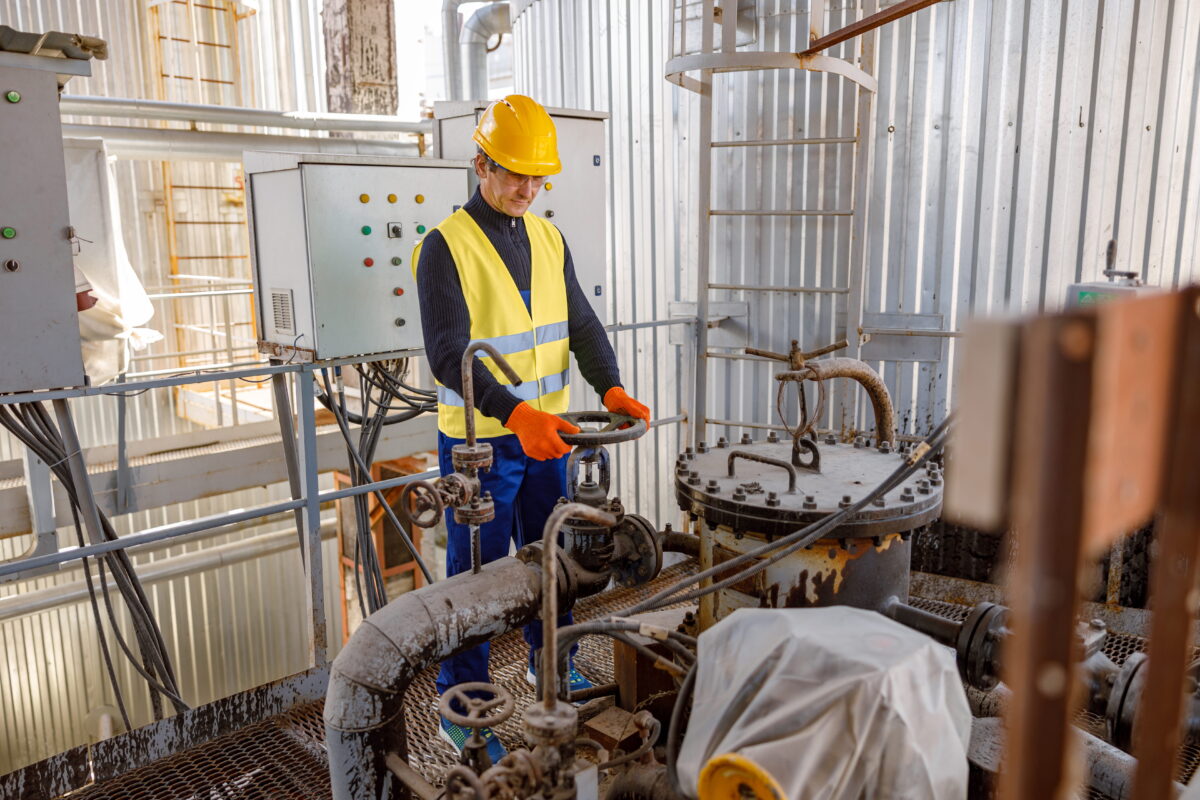
Physical assets sit at the center of daily operations across industries, from manufacturers, hospitals, and universities to government agencies and utilities. When critical assets underperform or fail unexpectedly, organizations face higher costs, operational disruptions, and growing pressure to make better maintenance and investment decisions. In fact, industrial organizations lose a median of nearly $125,000 per hour during unplanned outages, according to ABB’s Value of Reliability survey, highlighting the importance of understanding asset performance throughout the lifecycle.
In every case, the challenge is the same: How do you create the greatest possible value from the assets your organization depends on? For enterprise level organizations, the answer is engineering asset management.
Key takeaways
- Engineering asset management helps organizations make better lifecycle decisions: From acquisition and maintenance planning to replacement and retirement, the discipline provides a framework for balancing reliability, risk, performance, and cost throughout an asset’s life
- Asset performance depends on more than maintenance execution: Organizations create greater value when maintenance activities, capital planning, reliability initiatives, and operational goals work together as part of a broader enterprise asset management strategy
- The right metrics help turn asset data into action: Tracking uptime, reliability, MTBF, utilization, and lifecycle cost can help teams identify risks, prioritize investments, and evaluate whether asset management efforts are improving long-term performance
Whether you’re evaluating a replacement project, refining maintenance strategies, or planning future investments, engineering asset management provides a framework for connecting day-to-day decisions to long-term asset performance.
How engineering asset management fits into enterprise asset management
Engineering asset management focuses on maximizing the value of physical assets throughout the lifecycle. Most organizations, however, manage those decisions within a broader enterprise asset management strategy that connects maintenance, operations, facilities, reliability, finance, inventory, and capital planning.
Engineering asset management provides the lifecycle perspective, while enterprise asset management provides the organizational framework that helps teams coordinate decisions across departments.
The discipline helps maintenance leaders, facility teams, asset managers, and operations leaders balance reliability, risk, performance, and cost over lifecycles.
Within broader enterprise asset management programs, lifecycle planning helps organizations connect maintenance activities, operational requirements, capital investments, and reliability goals throughout the life of an asset. The process starts before the asset arrives and continues right up until it leaves the site.
Acquisition: Looking beyond purchase price
Purchase price is only one part of the investment. By looking at the total cost of ownership, organizations can more fully understand how assets and equipment can help or hinder progress toward business goals.
A manufacturer evaluating a new production line, for example, may consider expected reliability, maintenance requirements, spare parts availability, and operating costs alongside the initial capital expense.
Operation: Understanding how assets create value
Once assets enter service, teams need visibility into performance, utilization, and condition.
A facilities team may discover a building system that consumes increasing maintenance resources. A logistics provider may identify equipment responsible for a disproportionate share of downtime. Understanding these trends helps organizations support broader and make more informed operational decisions.
Maintenance: Balancing reliability, risk, and resources
Maintenance leaders don’t have unlimited labor, budget, or technician availability. Every week requires decisions about which assets deserve the most attention and which work will have the greatest operational impact. A failure involving a critical production line may halt operations, while another issue may have minimal consequences.
Organizations often strengthen these efforts through effective management processes that improve planning, scheduling, and execution. Maintenance teams can also support field execution with maintenance apps to give technicians access to work orders, asset histories, inspections, and procedures where work happens.
Replacement: Making better investment decisions
One of the most important lifecycle decisions is determining when continued maintenance no longer represents the best investment. An asset may still operate, but rising maintenance costs and declining reliability can change the economics of keeping it in service. Strong lifecycle management practices help organizations evaluate repair-versus-replace decisions using performance history, lifecycle costs, and business impact rather than assumptions.
Replacement decisions also affect future maintenance budgets. Continuing to invest in aging assets may delay capital spending in the short term, but rising maintenance costs can create greater financial pressure over time. Evaluating lifecycle costs alongside maintenance budget requirements helps teams make more sustainable long-term decisions.
Retirement: Turning experience into future improvements
Asset retirement doesn’t end the lifecycle story. Maintenance histories, reliability trends, lifecycle costs, and performance data help organizations understand which assets delivered long-term value and which created ongoing challenges.
A university replacing an aging chiller, for example, may uncover years of maintenance records that reveal recurring failures, rising operating costs, and declining reliability. Those insights can inform future acquisition decisions, maintenance strategies, and capital planning efforts, helping teams make stronger investment decisions across the asset portfolio.
Common engineering asset management challenges
Most organizations understand the importance of managing assets effectively. The challenge is creating the visibility and consistency needed to support good decisions.
Common challenges include:
- Disconnected systems limit visibility: Maintenance records, inventory data, inspections, and financial information often exist in separate systems. When teams cannot easily access a complete picture of asset performance, decision-making becomes slower and more difficult
- Aging assets create competing priorities: Many organizations are managing assets well beyond their original expected lifespan. These challenges are especially common among organizations responsible for large portfolios of facilities and long-term
- Poor data quality weakens planning: Asset management decisions are only as strong as the information supporting them. Missing maintenance histories, incomplete records, and inconsistent documentation make it difficult to understand asset conditions, evaluate trends, and prioritize future investments
- Reactive maintenance limits long-term improvement: When teams spend most of their time responding to failures, they have less time available for planning, reliability initiatives, and process improvement. Common warning signs include excessive emergency work orders, frequent repeat failures, low preventive maintenance compliance, and limited visibility into asset performance
These challenges often reinforce one another. Disconnected systems can contribute to poor data quality, poor data can lead to reactive decision-making, and reactive maintenance can make it harder to address aging assets strategically.
How to create more value from asset lifecycle management
Every investment, maintenance activity, replacement decision, and capital plan influences how assets perform throughout their useful life.
As you evaluate your own approach, focus on a few key practices that can improve reliability, strengthen planning, and help teams make more informed decisions.
Prioritize assets based on business impact
Identify which assets have the greatest operational, financial, compliance, or safety impact and align maintenance strategies accordingly. A failure involving a critical production asset, major building system, or piece of infrastructure often carries significantly different consequences than a failure involving non-essential equipment.
By understanding asset criticality, you can focus maintenance resources where they create the greatest value, reduce unnecessary risk, and make more informed decisions about inspections, maintenance schedules, and future investments.
Standardize maintenance execution across teams and sites
As organizations expand across multiple facilities, consistency becomes increasingly important. Variations in maintenance processes, documentation standards, and inspection procedures can make it difficult to evaluate asset performance across locations.
Establishing standardized maintenance workflows helps reduce reliance on tribal knowledge while creating more predictable outcomes. It also gives maintenance leaders greater visibility into work quality, compliance, and performance across the asset portfolio.
Connect asset information to support better decisions
Maintenance records, operational data, and financial information each tell part of the story. When that information exists in separate systems, it can be difficult to understand the full impact of maintenance and investment decisions.

Bringing these perspectives together creates a more complete picture of asset performance and lifecycle value. You can do this by implementing asset management software that helps them create a shared operational record across assets, facilities, and teams, helping leaders make stronger maintenance, replacement, and capital planning decisions.
Connecting maintenance, operational, and financial information is a core goal of enterprise asset management because it helps teams evaluate asset decisions using a shared set of data.
Look beyond the next repair
Instead of focusing exclusively on immediate maintenance needs, consider how replacement decisions, capital plans, and lifecycle costs will affect the asset years from now. This broader perspective helps teams balance operational demands with long-term business objectives and asset value.
At every stage of the lifecycle, reliable information helps organizations move from reactive decision-making to more strategic asset planning. Asking the right questions at the right time can improve reliability, control costs, and support stronger operational outcomes.
When your asset teams evaluate performance throughout the lifecycle, use reliable data to guide investments, and align maintenance activities with business priorities, they are better positioned to maximize asset value and support long-term operational goals.
Key engineering asset management metrics
Organizations cannot improve asset performance without understanding how success is measured. The most valuable metrics don’t simply report what happened. They help you evaluate whether lifecycle strategies, reliability initiatives, and investment decisions are producing the outcomes you expect.
As you review your asset management program, use these metrics to identify strengths, uncover risks, and determine where changes may be needed.
| Metric | What it measures | Why it matters | Questions to ask |
|---|---|---|---|
| Uptime | The percentage of time an asset is available when needed | Measures how consistently assets support operations and business objectives | Are critical assets becoming more available over time, or is downtime disrupting operations more frequently? |
| Reliability | The ability of an asset to perform consistently over time | Indicates whether maintenance and lifecycle strategies are reducing failures | Which assets generate the most recurring issues, and are your reliability initiatives reducing those failures? |
| Mean Time Between Failures (MTBF) | The average operating time between failures | Helps evaluate asset health and maintenance effectiveness | Are assets operating longer between failures, or are breakdowns becoming more frequent? |
| Asset Utilization | How effectively assets are being used relative to capacity | Helps determine whether assets are delivering expected value | Are assets being used efficiently, or are teams spending time and resources maintaining underutilized equipment? |
| Lifecycle Cost | The total cost of acquiring, operating, maintaining, and replacing an asset | Supports repair-versus-replace decisions and long-term capital planning | Are lifecycle costs influencing replacement decisions, or are investments driven primarily by age, budget cycles, or assumptions? |
Don’t treat these metrics as reporting tools. Use them to evaluate whether your maintenance strategies, reliability initiatives, and lifecycle investments are achieving the outcomes you expect.
Review performance trends regularly, investigate unexpected changes, and use asset data to guide maintenance priorities, replacement decisions, and future investments. If reliability improves, failures occur less frequently, and lifecycle decisions become more predictable, you’re moving in the right direction.
Engineering asset management is a decision-making discipline
Every asset tells a story through its maintenance history, performance trends, lifecycle costs, and operational impact. The challenge is turning that information into decisions that improve reliability, support long-term planning, and create greater value from the assets your organization depends on.
Whether you’re evaluating a replacement project, prioritizing maintenance activities, planning future investments, or looking for ways to improve asset performance, engineering asset management provides a framework for making those decisions with greater confidence.
Learn how enterprise asset management helps connect lifecycle planning, maintenance execution, reliability initiatives, and capital planning across your asset portfolio.
Frequently Asked Questions

By Jonathan Davis
As a content creator at Eptura, Jonathan Davis covers asset management, maintenance software, and SaaS solutions, delivering thought leadership with actionable insights across industries such as fleet, manufacturing, healthcare, and hospitality. Jonathan’s writing focuses on topics to help enterprises optimize their operations, including building lifecycle management, digital twins, BIM for facility management, and preventive and predictive maintenance strategies. With a master's degree in journalism and a diverse background that includes writing textbooks, editing video game dialogue, and teaching English as a foreign language, Jonathan brings a versatile perspective to his content creation.