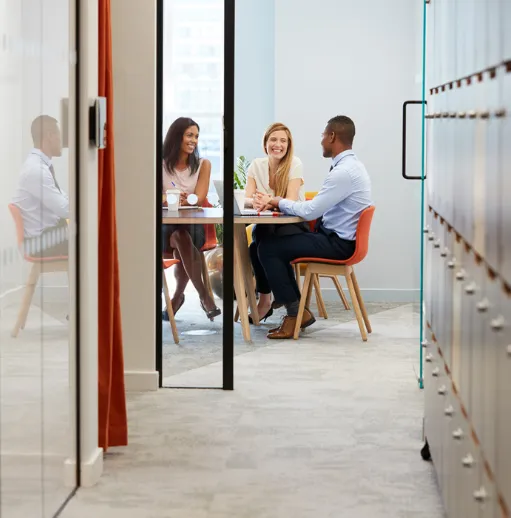



Belonging does not happen by accident. It is shaped every day by how spaces are maintained, supported, and experienced and much of that responsibility sits with facility management.
On World FM Day 2026, the focus on “FM: Cultivating Belonging Through Built Environments” feels especially relevant. Global FM describes this year’s theme as a recognition of how facility management helps create workplaces and environments where people feel connected, respected, and supported.
That impact extends far beyond operations.
Facility managers influence how employees move through a workplace, how visitors experience an organization, how safely buildings perform, and how consistently teams can collaborate across locations. They help create environments that support productivity, wellbeing, and connection at a time when workplace expectations continue to evolve.
Research from Leesman found that only 13% of employees worldwide say their workplace fully supports productivity, highlighting how critical workplace experience and operational quality have become for organizations trying to support engagement and performance.
World FM Day is a chance to recognize the people shaping those experiences every day.
Key takeaways
- Facility managers play a central role in creating workplaces where people feel supported, connected, and productive
- Belonging in the built environment comes from consistent, reliable workplace experiences, not just workplace design
- Connected workplace systems help organizations improve visibility, coordination, and consistency across locations
- As workplace complexity grows, facility management continues evolving into a strategic driver of employee experience and operational performance
Belonging starts with the everyday workplace experience
In facility management, belonging is not an abstract concept. It appears in the practical details that shape how people interact with a workplace every day.
People need environments they can access reliably, regardless of role, schedule, or ability. Shared spaces need to feel intuitive and easy to navigate. Workplace services need to function consistently across locations instead of varying from building to building.
When those fundamentals are missing, friction grows quickly.
Employees spend more time searching for space, navigating disconnected systems, or adjusting to inconsistent workplace experiences. Visitors experience delays at entrances and reception areas. Workplace teams lose valuable time switching between siloed systems to answer basic operational questions.
By contrast, well-managed environments help create trust in the workplace itself. Employees know what to expect. Visitors feel welcomed and supported. Teams can focus on work instead of logistics.
That consistency matters more as organizations continue balancing hybrid work, fluctuating occupancy, and increasingly distributed operations. According to JLL’s Future of Work research, 77% of organizations globally plan to increase investment in workplace experience initiatives over the next five years, reflecting how closely workplace performance is now tied to employee engagement and retention.
This shift is changing the role of facility management itself.
The conversation is no longer just about maintaining buildings. It is about creating connected workplace experiences supported by better visibility into spaces, assets, visitors, maintenance activity, and employee needs. When workplace and facility data live in connected systems instead of separate tools, teams can respond faster, coordinate more effectively, and make decisions with greater confidence.
Where facility managers create belonging in practice
Belonging is often created through operational decisions that employees may never directly notice but would immediately miss if they disappeared.
It is reflected in how workplaces remain welcoming and functional across shifts and schedules. It appears in the coordination required to maintain shared meeting spaces fairly across teams. It is visible in the experience employees, visitors, and contractors have when arriving onsite.
Facility leaders also play an increasingly important role in creating consistency across portfolios while still supporting local needs and workplace cultures.
That balance becomes harder as organizations expand across multiple regions and building types. Workplace teams are often managing occupancy data, maintenance requests, visitor workflows, room bookings, and service coordination across multiple disconnected platforms. The result is slower communication, inconsistent service delivery, and reduced visibility into what is happening across the workplace.
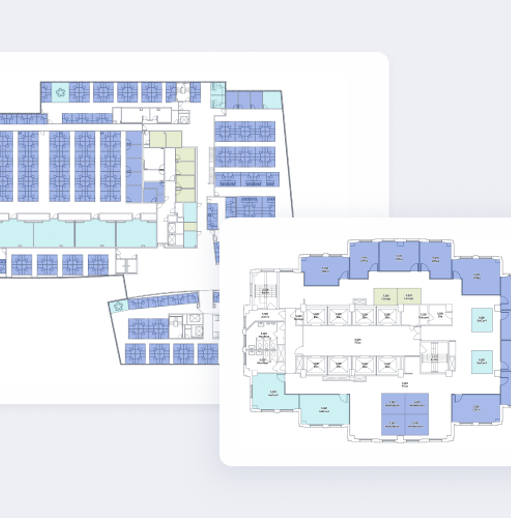
Connected workplace platforms help reduce that fragmentation by linking people, spaces, and services into a shared operational view. Instead of relying on separate systems for maintenance, space management, visitor coordination, and workplace operations, teams gain a clearer understanding of how the environment is performing as a whole.
That visibility matters because workplace expectations continue rising.
Employees expect meeting rooms to be available and functional. Visitors expect secure but seamless arrival experiences. Leadership teams expect accurate workplace data to support planning decisions. And workplace teams need operational consistency across every location they manage.
Facility managers help make all of that possible.
The International Facility Management Association notes that FM professionals increasingly influence organizational resilience, employee wellbeing, sustainability, and long-term workplace strategy. The role has become far more connected to business performance than many organizations recognized even a decade ago.

Scaling belonging across growing workplace complexity
The challenge for many organizations is not recognizing the importance of workplace experience. It is maintaining that experience consistently as operational complexity increases.
Hybrid schedules change week to week. Workplace data exists across disconnected platforms. Service delivery spans multiple teams and vendors. Portfolios stretch across cities, regions, and time zones.
Creating environments where people feel supported requires more than reactive problem-solving. It requires operational clarity and connected decision-making.
Leading organizations are increasingly focusing on four foundational capabilities.
Clarity across spaces and services
Teams need shared visibility into workplace usage, occupancy patterns, maintenance activity, and operational performance. Without clear information, workplace planning becomes reactive instead of strategic.
Increasingly, organizations are moving toward centralized workplace platforms that provide a shared operational picture across locations, helping facility teams coordinate services and space decisions with greater accuracy.
Consistency across locations
Employees expect reliable workplace experiences regardless of where they work. Standardized workplace processes help organizations maintain service quality while still allowing local flexibility where needed.
Shared workplace standards become especially important for visitor management, space reservations, service requests, and maintenance workflows that impact employees directly.
Better connection between teams
Belonging improves when workplace operations are connected instead of siloed. Linking workplace services, maintenance, visitor activity, and space management creates smoother experiences for employees and guests alike.
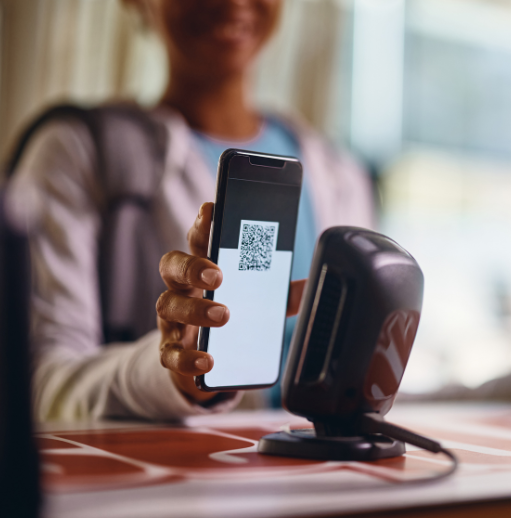
For example, connecting visitor activity with workplace space data helps onsite teams prepare meeting areas, coordinate arrivals, and reduce friction at check-in instead of treating those workflows as separate operational tasks.
Confidence in workplace performance
Facility leaders increasingly need confidence that buildings, services, and workplace systems are performing as intended. Reliable workplace data helps organizations make faster, more informed operational decisions while improving long-term planning.
Research from Gensler’s Global Workplace Survey found that employees who strongly agree their workplace supports both individual and team work are significantly more likely to report positive workplace experiences and intent to stay with their organization.
The environments people work in directly influence how connected and supported they feel.
Recognizing the people behind the workplace experience
World FM Day is ultimately about recognizing the people who make workplaces function in ways many employees never fully see.
Facility managers help organizations adapt during periods of change. They support operational continuity, workplace safety, employee experience, and long-term resilience. They create environments where people can focus, collaborate, and feel supported throughout the workday.
They also help organizations navigate growing workplace complexity by bringing together the operational, spatial, and service layers that shape daily workplace experience.
That work deserves recognition.
To every facility manager, workplace leader, building operator, and FM team supporting workplaces every day: thank you.
The environments people rely on do not run on autopilot. They run because of the expertise, coordination, and care facility professionals bring to their work every day of the year, not just on World FM Day.
Frequently Asked Questions

By Amanda Meade
Amanda Meade is a content creator at Eptura, specializing in workplace experience, meeting productivity, and emerging trends in workspace planning and visitor management. With a background in content marketing and SEO, she crafts clear, actionable content that helps teams work smarter through in-office collaboration. Throughout her career, Amanda has worked across industries, including home services, healthcare, real estate, and SaaS, developing a unique ability to distill complex topics into practical insights.