


The scope of facility management makes it notoriously difficult to define. Facility managers (FMs) support people, manage buildings, coordinate services, plan for long-term needs, and help organizations use workplace and asset data to make better decisions.
That means the role goes far beyond “managing facilities.”
According to the International Facility Management Association (IFMA), the FM profession encompasses multiple disciplines to ensure functionality, comfort, safety, sustainability, and efficiency of the built environment. IFMA’s definition aligns with the international standard for FM, which calls it “an organizational function which integrates people, place and process within the built environment with the purpose of improving the quality of life of people and the productivity of the core business.”
Today’s facility managers are responsible for creating safe, efficient, adaptable environments that support employees, protect assets, manage costs, and keep operations running. In hybrid workplaces and distributed portfolios, that work has become more complex. Employee behavior, building occupancy, maintenance schedules, vendor needs, security requirements, and workplace technology all need to work together.
To understand what facility managers do and why the role matters, it helps to look at four core functions:
- Supporting people
- Managing strategic planning, budgets, and building maintenance
- Establishing processes to manage buildings and services
- Supporting workplace and facilities technology
Together, these pillars show how FM connects the physical workplace to broader business performance.
Key takeaways
- Facility managers support people and workplace experience. They help create safe, comfortable, productive environments by coordinating space, services, safety, accessibility, employee support, and hybrid work arrangements.
- Facility managers connect facilities planning to long-term asset and budget decisions. They help organizations forecast equipment needs, manage maintenance, plan renovations, support sustainability goals, and make better use of facilities investments.
- Facility managers create the processes that keep buildings and services running. Their work includes vendor coordination, maintenance workflows, cleaning, repairs, moves, emergency planning, and day-to-day operational standards.
- Facility managers rely on technology and data to improve performance. Integrated workplace management systems, IoT devices, occupancy data, maintenance platforms, and automation tools help teams make better decisions about space, assets, services, and workplace operations.
Function #1: Facility managers support employees
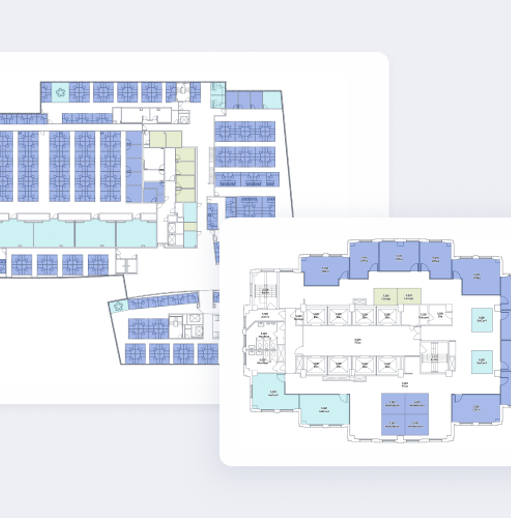
Supporting people is one of the most important functions of facility management. FMs create environments where employees can work safely, comfortably, and effectively.
That responsibility encompasses many of the systems and services employees interact with every day, including:
- Desk and meeting room arrangements
- Hybrid work and space booking processes
- Visitor management
- Emergency planning
- Accessibility and safety requirements
- Move coordination
- Workplace service requests
- Space utilization needs
Facility managers often act as a bridge between employees and the workplace itself. When something affects how people use the office, whether it is a desk reservation issue, building access concern, maintenance request, or space planning question, FM is often involved in resolving it.
They also collaborate closely with maintenance, security, janitorial teams, reception, HR, IT, and other workplace stakeholders, and in some cases are responsible for a combination of these functions. That collaboration helps ensure the building is secure, clean, responsive, and aligned to how employees actually work.
In a hybrid environment, this people-focused role has become even more important. Organizations can no longer assume the same number of employees will use the same spaces in the same ways every day. Facility managers need to understand how people move through the workplace, where demand is changing, and what adjustments are needed to support a better workplace experience.
Function #2: Facility managers manage strategic planning, budgets, and building maintenance
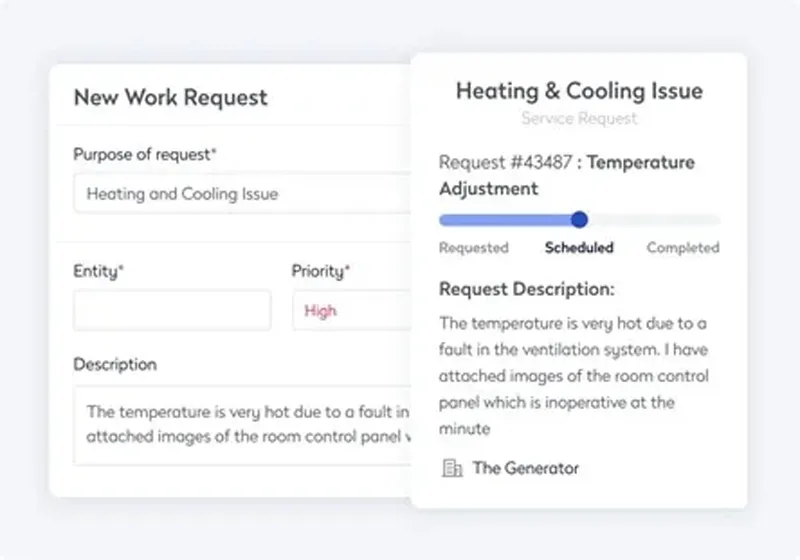
Facility managers are also responsible for planning, budgeting, and maintaining the physical workplace and the assets inside it.
This includes managing and monitoring the budget, resources, and assets allocated to facility operations, such as:
- Maintenance
- Repairs
- Renovations
- Utilities
- Vendor contracts
- Building improvements
- Equipment replacement
- Sustainability initiatives
- Long-term facility planning
This work helps organizations manage costs, reduce operational risk, and make better decisions about where to invest.
Facilities are typically an organization’s second-largest expense, after employee costs. That makes FM an important partner in turning the workplace from a cost center into a more strategic business asset. The goal is not only to maintain the building, but to make sure facilities continue to support employee needs, operational requirements, and long-term organizational goals.
Long-term planning is especially important for asset-heavy environments. Facility teams need to understand when equipment is aging, where maintenance costs are rising, and when replacement may create better value than continued repair.
As Corey McKnight, facilities director for the town of Winchester, Virginia, explained on Eptura’s Asset Champion podcast:
“We try to forecast at least five years out to see what needs to be replaced. Carpet at the police department, water heaters, chillers, boilers. It’s a never-ending cycle of equipment replacement and repairs.”
McKnight’s point reflects a broader reality for FM teams: effective facility management depends on understanding asset lifecycles, maintenance history, replacement timelines, and budget constraints together. It’s not enough to respond when something breaks. Facility managers need a clear view of what is likely to require attention next, how much it may cost, and where limited resources will create the most value.
Organizations that take a lifecycle approach to facility planning often connect maintenance history, reliability trends, replacement planning, and budget forecasting to prioritize investments more effectively.
Function #3: Facility managers establish processes to manage buildings
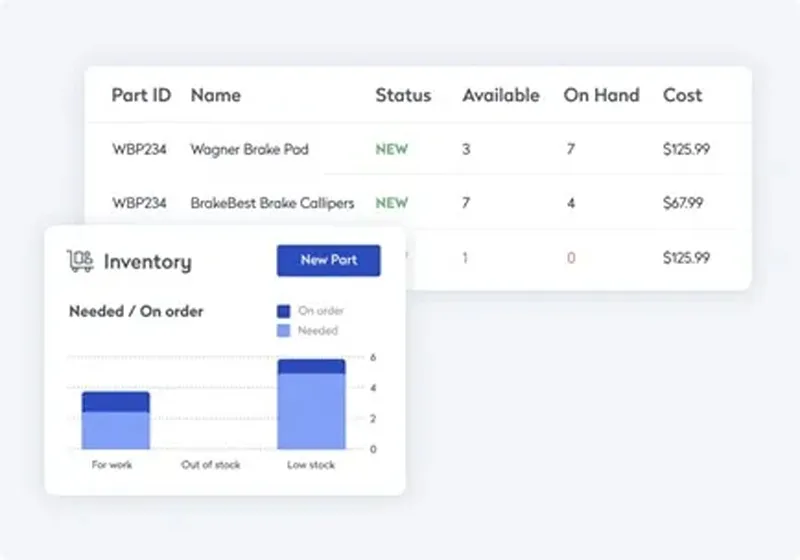
Facility management also involves creating the processes that bring order, consistency, and accountability to the workplace.
Buildings are complex operating environments. They include employees, visitors, vendors, equipment, technology, physical assets, service providers, safety requirements, and compliance obligations. Without clear processes, even routine work can become reactive.
Facility managers help establish expectations and workflows for areas such as:
- Repair and maintenance requests
- Vendor management
- Cleaning and janitorial services
- Workplace moves and reconfigurations
- Emergency preparedness
- Building access
- Fire and life safety
- Preventive maintenance
- On-site and off-site property management
- Space planning and workplace standards
These processes help facility teams respond quickly, reduce confusion, and keep operations consistent across locations.
They also help organizations manage risk. For example, clear maintenance workflows can reduce equipment downtime. Documented emergency procedures can improve safety. Vendor management processes can help teams control costs and maintain service quality. Space planning standards can make it easier to adapt the workplace as business needs change.
At enterprise scale, process discipline becomes even more important. A single building may be manageable through informal coordination. A large portfolio requires repeatable processes, shared data, and reliable systems of record.
Function #4: Facility managers support technology integration
Technology is now central to modern facility management.
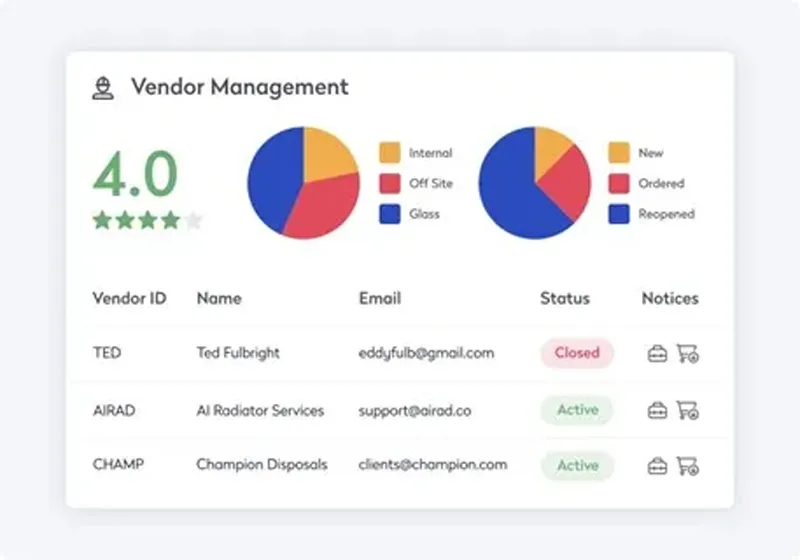
Facility managers use workplace and facilities technology to collect data, coordinate services, manage requests, monitor assets, and understand how the workplace is being used. This can include:
- Integrated workplace management systems (IWMS)
- Maintenance management platforms
- Asset management software, such as CMMS or EAM
- Space planning tools
- Occupancy sensors
- IoT devices
- Visitor management systems
- Access control systems
- Room and desk booking tools
- Workplace analytics
- Automation tools
Workplace management systems aggregate data that can help leaders make better decisions about how to run the business and shape the workplace. For example, occupancy data can show which spaces are underused. Maintenance data can reveal recurring equipment issues. Service request data can highlight employee pain points. Asset data can help teams plan for replacement, repair, and budget needs.
Technology integration often requires close partnership between FM and IT. IT may manage the technical infrastructure, security standards, and integrations, while facility managers understand the operational requirements and workplace use cases. When those teams work together, organizations are better positioned to select and use workplace technology effectively.
It is important to remember that technology is not valuable simply because it collects data. The value comes from how teams use that data to make decisions, improve processes, and create better workplace outcomes.
A workplace platform, sensor, or maintenance system should help answer practical questions such as:
- Which spaces are being used most often?
- Where are employees struggling to access the resources they need?
- Which assets are creating the most maintenance demand?
- Which buildings or floors are operating inefficiently?
- Where can automation reduce manual work?
- What investments will improve performance over time?
For modern facility managers, technology helps connect daily operations to long-term planning.
How facility management has changed in the hybrid workplace
Facility management has always been broad, but the hybrid workplace has made the role more dynamic.
In the past, many FM processes were based on relatively predictable patterns: consistent attendance, assigned desks, stable space demand, and routine service schedules. Hybrid work changed many of those assumptions.
Now, facility managers need to account for:
- Fluctuating office attendance
- Changing meeting room demand
- New expectations for employee experience
- Greater reliance on workplace technology
- More complex coordination between HR, IT, CRE, and FM
- Increased pressure to optimize real estate costs
- New requirements for workplace data and reporting
This has shifted the FM role from building support to workplace orchestration.
Facility managers are no longer only managing physical environments. They are helping organizations understand how people use the workplace, what services they need, how space should adapt, and where operational decisions affect the employee experience.
That is why modern FM increasingly overlaps with workplace strategy, asset management, technology planning, and corporate real estate decisions.
Key facility management metrics and KPIs
Because facility management touches so many areas of the business, teams need clear metrics to understand performance and guide decisions.
Common FM metrics include:
- Space utilization: How often spaces are used, which areas are underused, and whether the workplace aligns with actual employee behavior.
- Occupancy trends: How many people use the workplace over time, including patterns by day, location, floor, or space type.
- Maintenance response time: How quickly the facilities or maintenance team responds to service requests and work orders.
- Work order completion rate: How efficiently teams complete maintenance tasks, repairs, and service requests.
- Preventive maintenance compliance: Whether scheduled maintenance is being completed on time to reduce downtime and extend asset life.
- Asset performance: How well building systems, equipment, and physical assets support operations over time.
- Operating costs: How much it costs to run, maintain, and improve facilities across the portfolio.
- Employee satisfaction: How well the workplace supports employees’ ability to work safely, comfortably, and productively.
These metrics help facility managers move from reactive support to proactive decision-making. They also help FM leaders show how their work contributes to cost control, employee experience, operational resilience, and long-term planning.
Common challenges facility managers face
Facility managers are responsible for a wide range of outcomes, but they often have to manage them with limited resources, fragmented systems, and competing priorities.
Common challenges include:
- Disconnected systems: Space, maintenance, visitor, asset, and workplace data often live in separate platforms. That makes it harder to see the full picture of workplace performance.
- Shifting space demand: Hybrid work can make it difficult to forecast occupancy, plan space, and align services to actual workplace usage.
- Aging infrastructure: Older buildings and equipment can increase maintenance needs, create budget pressure, and make long-term planning more complex.
- Budget constraints: Facility managers often need to balance immediate repairs, preventive maintenance, employee requests, sustainability goals, and capital planning within limited budgets.
- Cross-functional ownership: FM decisions frequently involve HR, IT, CRE, security, finance, and operations. Without clear ownership, priorities can become misaligned.
- Vendor complexity: Facility teams often coordinate multiple service providers, contractors, and suppliers across locations, which can make consistency and accountability harder to maintain.
- Data quality: Even when systems are in place, incomplete or outdated data can make it difficult to make confident decisions about space, maintenance, and asset performance.
Addressing these challenges requires more than tactical fixes. It requires better visibility, stronger processes, clearer governance, and technology that connects facilities data to business decisions.
Putting it all together for facility management
Facility managers support the people who use the workplace. They manage the buildings, assets, services, and processes that keep operations running. They plan for maintenance, budgets, equipment lifecycles, and future space needs. They also help organizations use technology and data to make better decisions.
When you put the four main functions together, facility management becomes much more than operational support.
It becomes the discipline that connects people, place, process, and technology.
That connection matters because modern workplaces are no longer static. Employees expect flexible, reliable environments. Organizations need better visibility into how space and assets are performing. Leaders need to manage costs while still supporting productivity, safety, and resilience.
Facility managers sit at the center of that work.
By supporting employees, strengthening processes, managing facilities investments, and using technology effectively, FM teams help organizations create workplaces that are safer, more efficient, more adaptable, and better aligned to business goals.
Need a more unified approach to FM? Read our guide to integrated facility management.
Frequently Asked Questions

By Jonathan Davis
As a content creator at Eptura, Jonathan Davis covers asset management, maintenance software, and SaaS solutions, delivering thought leadership with actionable insights across industries such as fleet, manufacturing, healthcare, and hospitality. Jonathan’s writing focuses on topics to help enterprises optimize their operations, including building lifecycle management, digital twins, BIM for facility management, and preventive and predictive maintenance strategies. With a master's degree in journalism and a diverse background that includes writing textbooks, editing video game dialogue, and teaching English as a foreign language, Jonathan brings a versatile perspective to his content creation.