


An airline experienced a 40-minute ground stop after a preventive maintenance task slipped through the cracks, and a faulty butterfly valve triggered a false fire alarm. The resulting evacuation disrupted crews, delayed flights, and affected passengers throughout the operation.
During Eptura’s webinar “Breaking the Cycle of Reactive Maintenance”, Fred Kraus, Vice President of Product Management, shared this example to show how quickly a seemingly minor maintenance issue can ripple across an entire operation and why organizations create larger risks when teams lack the visibility to identify, prioritize, and address problems before they affect operations.
As Fred explained, “It really wasn’t a failure of effort. It was just a failure of visibility.”
Key takeaways
- Small maintenance issues can create larger operational disruptions when teams lack visibility into asset condition, maintenance history, and emerging risks
- Maintenance data supports more than reliability. It can improve labor planning, inventory management, capital planning, compliance, and budgeting
- Organizations build more proactive operations when they connect asset, maintenance, and operational data into a shared source of truth
Breaking this cycle of reactive maintenance starts with understanding how greater operational visibility helps teams make smarter decisions before problems become emergencies.
Small maintenance gaps can create enterprise-wide disruption
Maintenance teams rarely wake up to a major operational event. More often, it starts with a series of smaller decisions. Technicians delay an inspection, supervisors defer a repair, or operators overlook an early warning sign because more urgent work demands attention. Everything might seem reasonable in the moment, particularly when teams face staffing constraints, budget pressures, or a growing backlog of work.
Over time, however, small gaps accumulate. In the airline story Fred shared, for example, a single missed maintenance activity ultimately contributed to an evacuation, delayed flights, and broader impacts across the operation.
And the consequences of these disruptions often extend well beyond maintenance budgets. Downtime can affect production schedules, service delivery, customer satisfaction, labor costs, and safety. As issues spread across departments, leaders must divert resources away from planned work and toward urgent response efforts.
Fred summarized the challenge succinctly: “The later problems are identified, the more expensive they become.”
Many maintenance leaders respond by expanding preventive maintenance programs, increasing inspections, or creating additional oversight processes. Those efforts can help reduce risk, but they do not automatically provide the visibility teams need to understand which issues deserve immediate attention and which assets require intervention first.
Teams that want to consistently reduce reactive work need to create better visibility into emerging risks. That means helping maintenance teams identify issues earlier, understand potential operational impacts, and make informed decisions before routine maintenance concerns become business disruptions.
Why visibility matters more than effort for maintenance
When maintenance leaders describe their daily challenges, the conversation often revolves around limited resources, staffing shortages, and competing priorities. Those pressures are real, but our webinar highlighted another issue that frequently keeps teams stuck in firefighting mode: fragmented information.
Maintenance teams often store asset records in one system, manage work orders in another, and track inventory in a third. Facility management teams may maintain separate documentation for compliance requirements, while finance teams manage capital planning through entirely different processes. Each department has valuable information, but very little context exists when information remains disconnected.
As organizations spread critical information across multiple systems and workflows, maintenance teams spend more time searching for answers and less time addressing risks.
So, technicians may not have easy access to asset history while performing work. Managers may struggle to identify recurring failures across multiple locations. Executives may find it difficult to understand how maintenance decisions affect larger operational goals.
Connected information creates operational clarity
Lucas Ryder, Regional Vice President for Eptura Asset, noted during the webinar that many organizations are trying to move beyond reactive work but struggle to gain the visibility needed to support that transition.
“I think it’s really common for us to hear that teams are stuck in this firefighting mode, just being reactive, trying to just get to the point where they’re even being more proactive,” he said.
Visibility creates context. When maintenance teams can see asset condition, work history, operating trends, and resource requirements together, they can prioritize work more effectively and allocate resources where they will produce the greatest operational impact.
This is one reason integrated operations has become such an important focus. Connected information helps organizations make decisions with greater confidence because everyone works from a more complete picture of what’s happening across the business.
How better asset data leads to better decisions
Maintenance technology conversations often spotlight advanced analytics, but lasting reliability starts with a foundation of standardized, high-quality operational data.
By connecting assets, facilities, and teams around a single operational record, organizations enable proactive maintenance, clearer prioritization, and consistent execution, reducing downtime and audit risk across every site and shift.
To make informed decisions, maintenance leaders need to understand how assets are performing, which work technicians have completed, what inspections remain outstanding, and where operating conditions are changing. Without that foundation, identifying trends and prioritizing risks becomes significantly more difficult.
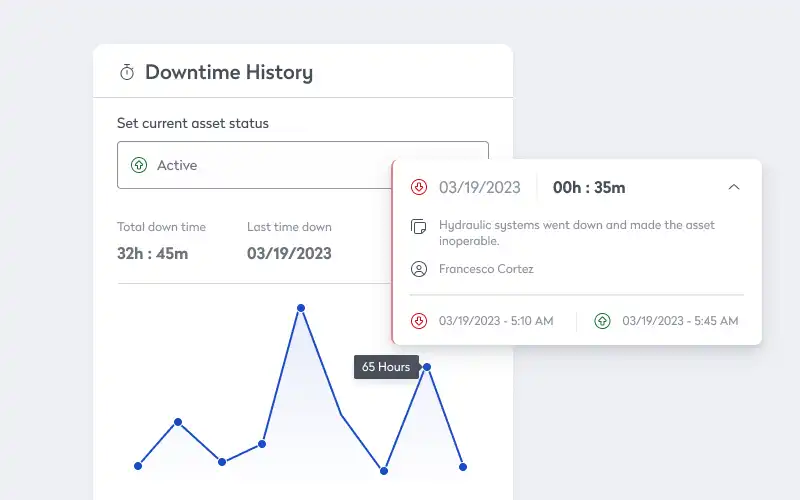
During the webinar, Fred discussed how organizations increasingly rely on information from connected equipment, building automation systems, condition monitoring technologies, and other operational sources. These data streams give maintenance teams earlier insight into asset performance and emerging issues.
When teams gain access to better information, they can spot developing issues earlier, schedule work before assets fail, and focus resources on the problems most likely to affect operations. Maintenance activities become more targeted because teams can align work with actual asset conditions instead of relying exclusively on fixed schedules.
“The teams that catch issues before they really become problems, those are the teams that stay in control of their asset management approach,” Lucas explained.
Fred echoed this idea when he said, “Strong asset management isn’t about more work. It’s about seeing sooner and prioritizing what actually matters.”
That perspective shifts the conversation away from maintenance volume and toward maintenance quality. High-performing organizations do not simply complete more work orders. They use data to make better decisions about where technicians should spend their time, which assets require attention, and how maintenance activities support broader operational goals.
As organizations improve their visibility into asset performance, they create opportunities to reduce surprises, improve planning, and strengthen reliability across the entire operation.
How maintenance data supports the entire operation
One of the many actionable insights from the webinar centered on the broader value of maintenance data. Organizations often view maintenance information as a tool for scheduling repairs and managing work orders, but the same information can support decisions throughout the business.
Maintenance data can help leaders:
- Plan and allocate labor more effectively
- Improve inventory and purchasing decisions
- Support capital planning and budgeting
- Strengthen compliance and audit readiness
Those benefits highlight an important shift in how organizations think about maintenance. Every work order, inspection, and repair generates information that can support business decisions far beyond the maintenance department. When teams connect that information across operations, they gain a better understanding of where to invest resources, how to manage risk, and which actions will have the greatest impact.
Support workforce planning and inventory decisions
Leaders can use maintenance history to understand how technicians spend their time, which assets consume the most labor, and where staffing constraints create operational risk. Those insights support workforce planning and help organizations allocate labor more effectively across facilities and asset portfolios.
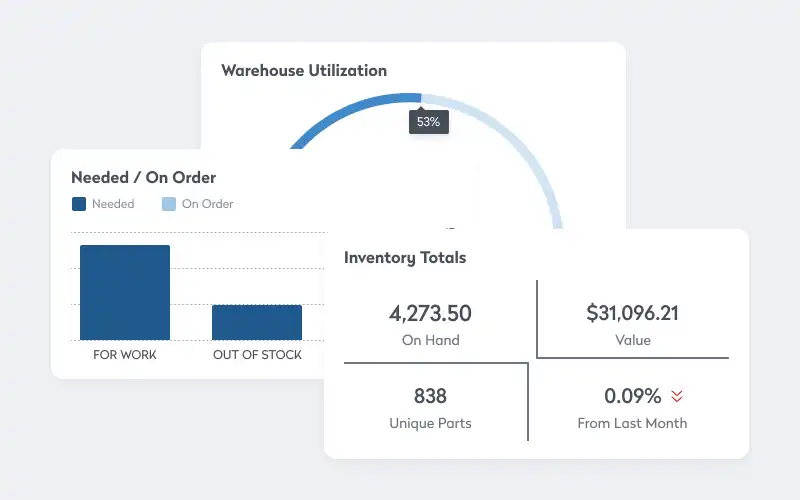
Operations and maintenance teams can also use asset performance trends to improve inventory management. Understanding which components fail most frequently and which assets require specialized parts helps teams make more informed purchasing decisions and avoid unnecessary inventory costs.
Build a stronger case for capital investments
Capital planning represents another major opportunity. Facility and operations leaders can compare historical maintenance costs against asset performance to determine when repairing equipment no longer makes financial sense. Better visibility into asset lifecycle costs supports stronger budgeting decisions and more strategic investment planning.
Strengthen compliance and operational planning
Maintenance records also play an important role in compliance and audit readiness. Organizations that maintain accurate records of inspections, repairs, and preventive maintenance activities can respond more quickly to audits, demonstrate compliance more effectively, and reduce administrative workloads.
During the webinar, Fred explained how organizations can use asset data to optimize labor, inventory, and planning decisions in addition to maintenance activities. That broader perspective reflects the growing role maintenance plays in operational strategy.
Every maintenance decision generates information. Organizations that connect and use that information effectively gain insights that support planning, budgeting, compliance, and long-term performance improvements.
Create opportunities for more proactive operations
Many organizations still rely on spreadsheets, paper documentation, maintenance manuals, and disconnected applications to manage critical asset information. As teams spend time gathering, validating, and organizing data, they have less time to analyze trends and act on emerging risks.

Organizations that establish accurate asset records, consistent maintenance histories, and connected operational information create new opportunities to improve decision-making. Analytics, automation, and AI can then help maintenance teams find information faster, identify patterns more efficiently, and focus their attention where it will have the greatest impact.
Breaking the firefighting cycle starts with smarter decisions
Connected information helps teams spot issues earlier, prioritize work more effectively, and understand how maintenance decisions affect the broader business. The goal, however, is not simply to reduce downtime. Organizations want to improve planning, strengthen reliability, support compliance, allocate resources more effectively, and make smarter operational decisions across the asset lifecycle.
To learn how Fred and Lucas recommend improving visibility, reducing reactive work, and building a stronger foundation for proactive operations, watch the webinar on demand.
Frequently Asked Questions

By Jonathan Davis
As a content creator at Eptura, Jonathan Davis covers asset management, maintenance software, and SaaS solutions, delivering thought leadership with actionable insights across industries such as fleet, manufacturing, healthcare, and hospitality. Jonathan’s writing focuses on topics to help enterprises optimize their operations, including building lifecycle management, digital twins, BIM for facility management, and preventive and predictive maintenance strategies. With a master's degree in journalism and a diverse background that includes writing textbooks, editing video game dialogue, and teaching English as a foreign language, Jonathan brings a versatile perspective to his content creation.