

Healthcare organizations face growing pressure to maintain safe, compliant, and reliable facilities while managing aging infrastructure, budget constraints, and increasing operational demands. Aging facilities and infrastructure rank as the top challenge for 80% of healthcare facility leaders, and healthcare organizations now face an estimated $390 billion in deferred maintenance. They also operate under unique life-safety requirements because critical systems must remain operational while supporting patient care.
A strong healthcare maintenance program helps maintenance and facility leaders reduce risk, support compliance efforts, improve asset performance, and demonstrate the value maintenance delivers to the organization.
Key takeaways
- Focus maintenance resources where they have the greatest impact: Prioritizing critical assets such as HVAC systems, emergency power, medical gas systems, and life-safety infrastructure helps reduce risk, improve reliability, and support patient car
- Measure outcomes, not activity: Tracking downtime, preventive maintenance completion rates, work order backlog, compliance completion rates, and emergency-versus-planned work helps demonstrate maintenance value and identify opportunities for improvement
- Build compliance into daily operations: Standardized workflows, centralized records, automated scheduling, and digital documentation help healthcare organizations stay audit-ready while reducing administrative effort
Organizations that prioritize critical assets, measure outcomes, and standardize maintenance processes put themselves in a stronger position to improve reliability, strengthen audit readiness, and support better patient outcomes across their healthcare portfolio.
Build a more proactive healthcare maintenance program
Healthcare maintenance teams face constant pressure to do more with limited time, labor, and budget. To make the most progress, it’s important to focus resources. Critical areas include prioritizing critical assets, standardizing maintenance processes, and shifting more work from reactive repairs to planned maintenance activities.
Prioritize the assets that create the most operational risk
A successful maintenance strategy starts with understanding which assets have the greatest impact on patient care, life safety, regulatory compliance, and operational continuity. For most healthcare organizations, that list includes emergency power systems, HVAC infrastructure, medical gas systems, fire and life safety equipment, water systems, and critical clinical equipment.
When one of these systems fails, the consequences often extend beyond the facility department. Clinical services can be disrupted, patient care environments can be affected, and compliance obligations can become more difficult to meet. A risk-based approach helps maintenance leaders focus limited resources where they will have the greatest operational impact.
Asset criticality rankings can support decisions about inspection schedules, preventive maintenance activities, technician assignments, and future capital investments. Healthcare organizations that prioritize work based on business impact often make more consistent maintenance decisions and reduce the risk of critical assets getting lost among lower-priority requests.
A modern facility management solution strengthens that process by centralizing asset records, maintenance history, equipment condition data, manuals, warranties, and related documentation. Instead of relying on disconnected spreadsheets or institutional knowledge, maintenance teams gain access to a complete view of each asset and its performance history.
Healthcare organizations often need more than a basic asset register. Facility teams need visibility into inspection histories, manufacturer documentation, warranty information, regulatory requirements, and service records for thousands of assets spread across multiple locations. Centralized asset management tools help maintenance teams connect that information to individual assets so technicians can access it when they need it, and leaders can make more informed replacement, budgeting, and lifecycle decisions.
That visibility becomes even more valuable in the field. When technicians can pull up asset records, previous work orders, inspection results, and service documentation from a mobile device, they can diagnose issues more quickly and make better maintenance decisions without returning to the office.
Mobile access becomes especially valuable in healthcare environments where technicians may move between patient care spaces, mechanical rooms, utility infrastructure, and off-site facilities throughout the day. Mobile work order management, digital inspections, and electronic documentation help teams complete work in the field while creating more accurate maintenance records and reducing administrative workload.
Standardize maintenance processes across facilities
Many maintenance challenges stem from inconsistent processes rather than technical limitations. Teams often follow different documentation standards, manage work orders differently from site to site, or rely on informal procedures that become difficult to scale as organizations grow.
Creating a complete inventory of maintainable assets provides a foundation for standardization, but the real value comes from establishing repeatable workflows that guide maintenance activities from request through completion. Consistent processes make it easier to prioritize work, track progress, document completed tasks and evaluate performance across facilities.
Digital work orders, workflow automation, technician assignments, and centralized maintenance records help create that consistency. Maintenance leaders gain better visibility into work activity, while technicians spend less time tracking information and more time completing high-value work. Standardization also supports compliance efforts because maintenance teams can document inspections, repairs, and preventive maintenance activities using the same process across every location.
Many healthcare organizations also use compliance workflows to support accreditation readiness. Digital inspection forms, automated documentation requirements, corrective action tracking, and audit trails help teams maintain consistent records and simplify the process of demonstrating compliance during reviews and audits.
As healthcare portfolios grow, repeatable workflows become increasingly important. Processes that work well at one facility often break down when applied across multiple campuses without clear standards and accountability.
Move from reactive work to proactive maintenance
Reactive maintenance often creates a cycle that is difficult to break. Emergency repairs consume technician time, planned maintenance gets delayed, and maintenance leaders struggle to address long-term priorities because immediate issues always demand attention first.
Organizations can reduce that pressure by building maintenance schedules around asset criticality, manufacturer recommendations, regulatory requirements, and performance history. Critical assets generally require more attention because the cost of failure extends beyond repair expenses and can affect patient care, safety, and compliance.
Inspection schedules should evolve with operational needs. Reviewing work order history, recurring failures, maintenance trends, and asset condition data can help identify opportunities to adjust preventive maintenance activities before issues become larger problems. The goal is not simply to perform more maintenance. The goal is to perform the right maintenance at the right time.
Technology plays an important role in supporting that approach. Automated preventive maintenance scheduling helps ensure recurring work remains visible and on schedule, while maintenance dashboards and reporting tools help leaders identify overdue tasks, recurring failures, and assets that consume a disproportionate amount of maintenance resources.
Over time, shifting more work into planned maintenance activities often improves reliability, reduces operational disruption, and creates greater predictability for maintenance teams and healthcare leaders alike.
Measure performance and demonstrate maintenance value
Healthcare maintenance leaders rarely struggle to show how busy their teams are. The greater challenge is demonstrating how maintenance contributes to organizational outcomes. Meaningful performance metrics help connect daily work to reliability, compliance, patient safety, and operational continuity.
The most effective programs use performance data not only to evaluate current performance but also to identify opportunities for continuous improvement.
Improve asset reliability and reduce downtime
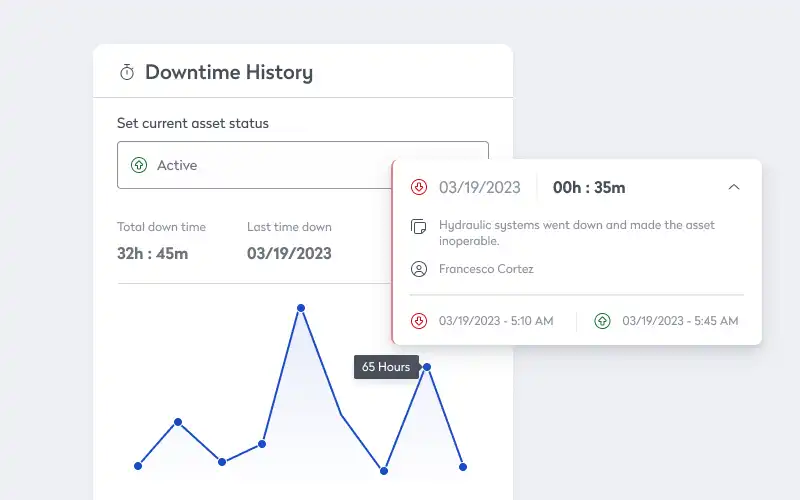
Reliability metrics help maintenance leaders understand whether maintenance activities are reducing disruptions and improving asset performance over time. Asset downtime remains one of the most valuable indicators because it reflects the real-world impact equipment failures have on operations.
Mean time to repair (MTTR) adds additional context by measuring how quickly teams restore assets to service. Improvements in MTTR can indicate stronger planning, better technician access to information, and more effective resource allocation.
When organizations review downtime and repair performance together, patterns begin to emerge. Maintenance leaders can identify recurring failures, determine which assets consume the most resources, and make more informed decisions about repair-versus-replace scenarios.
Improve maintenance execution across facilities
Execution metrics reveal whether maintenance processes function as intended. Preventive maintenance completion rates help leaders understand whether planned maintenance activities occur consistently, while work order backlog provides insight into maintenance demand and available capacity.
Viewed independently, these metrics provide useful information. Viewed together, they tell a much richer story. If preventive maintenance completion rates begin to decline while backlog increases, leaders may be dealing with staffing constraints, workflow issues, asset reliability challenges, or an increasing volume of reactive work.
Maintenance dashboards and workflow reporting help organizations monitor those trends across departments and facilities. When connected to broader maintenance management processes, that visibility helps leaders identify emerging problems before they affect reliability or compliance.
Measure the outcomes leadership cares about
Maintenance performance affects far more than equipment uptime. It also influences compliance readiness, project planning, risk management, and overall operational efficiency.
The ratio of emergency work to planned work offers one of the clearest indicators of maintenance maturity. As organizations strengthen preventive maintenance programs and improve planning, they typically expect emergency work to decline and planned work to increase.
Compliance completion rates provide another important perspective. Tracking inspections, testing activities, and required maintenance tasks helps leaders verify that obligations are being met consistently across facilities while reducing the risk of surprises during audits or accreditation reviews. Organizations that treat compliance as part of everyday facility and maintenance operations are often better positioned to maintain audit readiness throughout the year.
Together, these metrics help maintenance leaders communicate value in terms that resonate with executive stakeholders. They demonstrate how maintenance investments contribute to reliability, risk reduction, compliance performance, and long-term operational stability.
Strengthen compliance across healthcare facilities
Healthcare organizations cannot treat compliance as a periodic event that receives attention only when an audit approaches. The most effective maintenance organizations build compliance activities into daily workflows so documentation, inspections, and maintenance records remain current throughout the year.
That challenge becomes more complex as organizations expand across multiple facilities. Differences in procedures, documentation practices, and inspection standards can create inconsistencies that increase risk and make audit preparation more difficult.
Identify compliance gaps before auditors do
Maintenance teams often need to demonstrate compliance with requirements from organizations such as The Joint Commission, CMS, and NFPA. Consistent documentation and inspection records make it easier to respond when surveyors request evidence of completed maintenance activities.
Most compliance issues begin with operational gaps. Missed inspections, incomplete records, inconsistent documentation, and limited visibility into maintenance history can all create problems when surveyors or auditors request evidence of completed maintenance activities.
Those risks often compound over time. A missed inspection might create a documentation gap. A documentation gap might make it difficult to verify compliance. Eventually, maintenance leaders find themselves spending valuable time tracking down information that should already be accessible.
Reducing those risks starts with clear processes, consistent documentation standards, and better visibility into maintenance activity across facilities.
Standardize compliance practices across facilities
Standardization is one of the most effective ways to improve compliance performance. When facilities follow the same inspection procedures, preventive maintenance schedules, documentation standards, and corrective action processes, organizations reduce variation and strengthen accountability.
Digital inspections, automated scheduling, document management, and centralized reporting can further support those efforts by making compliance activities easier to manage and easier to verify. Instead of scrambling to assemble documentation before an audit, maintenance teams can maintain audit-ready records throughout the year.
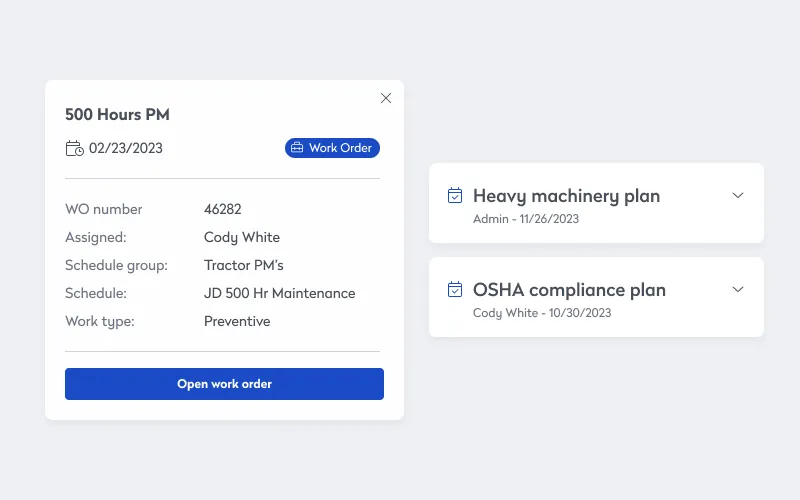
That shift changes compliance from a reactive exercise into an ongoing operational discipline. The result is stronger documentation, improved visibility, and greater confidence when accreditation reviews or regulatory inspections occur.
Use healthcare maintenance software to improve visibility and audit readiness
As healthcare portfolios grow, maintenance leaders need access to information that supports faster and better decision-making. Unfortunately, many organizations still manage maintenance records across spreadsheets, paper files, email inboxes, and disconnected systems that make it difficult to understand what is happening across facilities.
Create a single source of truth for maintenance data
Healthcare maintenance software creates a single source of truth for asset records, maintenance history, inspections, preventive maintenance schedules, and work orders. Centralization reduces the administrative burden on maintenance teams while improving visibility into operations.

When leaders need to review asset performance, investigate recurring failures, prepare for accreditation reviews, or evaluate maintenance costs, they can access current information without manually collecting data from multiple sources.
Support healthcare facility planning and operations
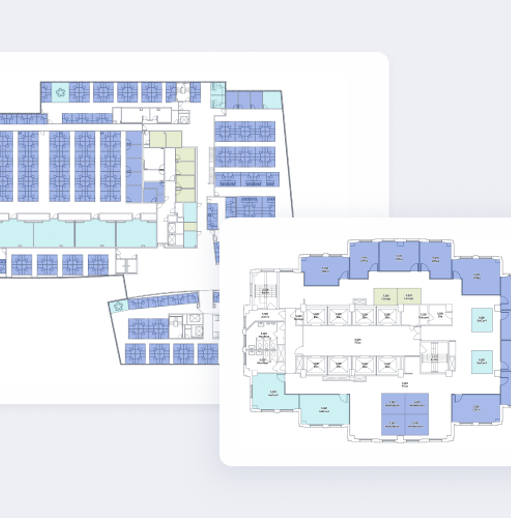
Maintenance teams rarely work in isolation. Decisions about space utilization, facility conditions, capital planning, compliance, and maintenance often involve multiple departments and stakeholders. A centralized platform helps connect facility and maintenance data so leaders can understand how buildings are being used, where investments are needed, and how operational decisions affect the broader healthcare environment.
Automate preventive maintenance and compliance workflows
Manual processes become harder to manage as organizations grow. Automated preventive maintenance scheduling helps ensure recurring tasks remain on schedule, while workflow automation helps route work consistently from request through completion.
The same approach can support compliance activities by helping teams manage inspections, document completed work, track corrective actions, and maintain records needed for audits and accreditation reviews.
Turn maintenance data into better decisions
Collecting information is only one part of the challenge. Leaders also need tools that help them understand what the data means. Reporting dashboards can help organizations monitor preventive maintenance completion rates, work order backlog, downtime trends, compliance performance, labor utilization, and other indicators that support continuous improvement efforts. Those insights help maintenance leaders identify risks earlier, prioritize investments more effectively, and make informed decisions about future planning.
When maintenance, asset, and compliance information all reside within a centralized platform, healthcare organizations gain a clearer understanding of performance across their entire portfolio.
Improve healthcare maintenance with better visibility and accountability
One government healthcare organization we work with faced a familiar challenge. Demand for services had increased by 30%, but leaders lacked the visibility needed to understand how facilities and space were being used across a network of more than 40 clinics. At the same time, the organization needed to control costs, improve operational efficiency, and make smarter decisions about existing resources.
Using Archibus by Eptura, the organization created a centralized inventory of its space and facility data, giving teams a more accurate picture of utilization across its portfolio. That visibility helped leaders identify underused space and make data-driven decisions about how facilities could better support patient care.
In one example, the organization converted a 330-square-foot room used only occasionally for X-rays into an infusion treatment space, reducing the need to outsource hematology and oncology treatments and generating more than $8.3 million in annual savings. The organization also centralized reporting across its clinics, improved operational visibility, and gained better insight into space, maintenance operations, and facility planning.
Read the full customer story to learn how they improved visibility across facilities and optimize resources.
Frequently Asked Questions

By Jonathan Davis
As a content creator at Eptura, Jonathan Davis covers asset management, maintenance software, and SaaS solutions, delivering thought leadership with actionable insights across industries such as fleet, manufacturing, healthcare, and hospitality. Jonathan’s writing focuses on topics to help enterprises optimize their operations, including building lifecycle management, digital twins, BIM for facility management, and preventive and predictive maintenance strategies. With a master's degree in journalism and a diverse background that includes writing textbooks, editing video game dialogue, and teaching English as a foreign language, Jonathan brings a versatile perspective to his content creation.