

The modern office is no longer simply a place where employees work. It has become a strategic asset that supports collaboration, employee experience, organizational culture, and real estate optimization. As hybrid work patterns mature and organizations face growing pressure to maximize workplace investments, office design decisions now play a direct role in business performance.
Leading organizations are moving beyond purely aesthetic considerations and instead designing workplaces around data, flexibility, employee needs, and measurable outcomes. The most successful workplace strategies align physical space with how people actually work, creating environments that support productivity, connection, and long-term organizational goals.
Experience-driven workplaces replace traditional office layouts
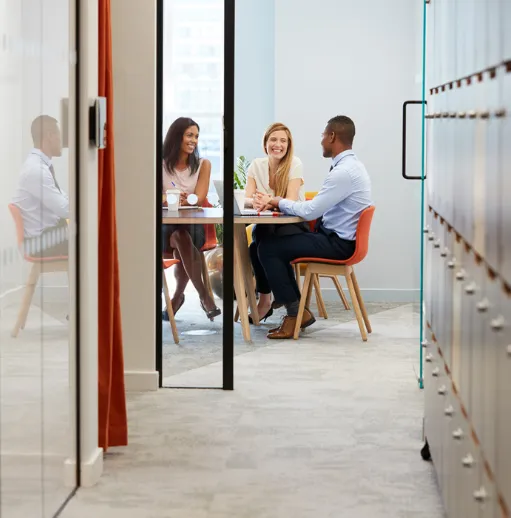
One of the biggest shifts in workplace design is the move away from offices centered on assigned desks and individual workstations. Instead, organizations are creating experience-driven workplaces that provide employees with compelling reasons to come into the office.
The purpose of the office is evolving. Rather than serving as a default location for everyday tasks that can often be completed remotely, the workplace is becoming a destination for collaboration, innovation, mentoring, and culture-building.
Modern workplaces increasingly feature:
- Collaboration hubs and team neighborhoods
- Project and innovation spaces
- Social gathering areas
- Hospitality-inspired lounges and cafés
- Flexible touchdown spaces
- Multi-purpose meeting environments
This focus on experience aligns with broader workplace trends around employee engagement and satisfaction. Organizations that intentionally design both physical and digital workplace experiences can create environments where employees feel supported, connected, and productive.
Related reading: A definitive guide to workplace experience and Workplace experience: Digital and physical elements.
Data-driven space design becomes standard practice
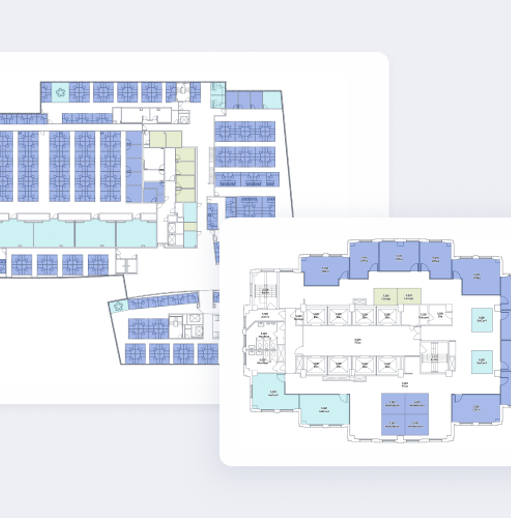
For years, many workplace decisions were based on assumptions about how employees used office space. Today, organizations have access to utilization data that can reveal exactly how workspaces are performing.
As hybrid work creates fluctuating attendance patterns, workplace leaders increasingly rely on occupancy and utilization analytics to inform design decisions rather than intuition alone.
Key questions workplace teams now answer with data include:
- How many desks are actually needed?
- Which meeting rooms are most heavily used?
- Are collaboration spaces oversubscribed?
- Which departments require dedicated neighborhoods?
- Where can organizations reduce real estate costs?
Data-driven planning helps leaders understand whether the workplace is aligned with employee behavior and business objectives. It also reduces the risk of expensive redesigns that fail to address actual workplace needs.
Successful organizations continuously evaluate workplace performance and adjust layouts based on utilization trends, employee feedback, and evolving business requirements.
Related reading: Smarter space planning starts with understanding utilization and Space occupancy and utilization metrics: How to right-size real estate.
AI-enabled smart workplaces create adaptive environments
Artificial intelligence and workplace technology are increasingly shaping office design decisions.
Rather than static environments, modern workplaces are becoming responsive ecosystems that adapt to changing employee needs throughout the day.
Examples include:
- AI-powered occupancy analytics
- Intelligent desk and room booking
- Automated environmental controls
- Real-time workplace insights
- Predictive space planning tools
- Connected building systems
These technologies help organizations understand how space is used while creating more seamless employee experiences.
For workplace leaders, AI-powered insights can identify opportunities to optimize layouts, improve resource allocation, and enhance workplace efficiency. For employees, smart workplace technology reduces friction and makes it easier to navigate hybrid work environments.
The result is a workplace that continually evolves based on usage patterns and business requirements.
Related reading: How smart buildings support hybrid work in 2026 and Evaluating workplace experience systems: What to look for and why it matters.
Employee well-being moves to the center of workplace design
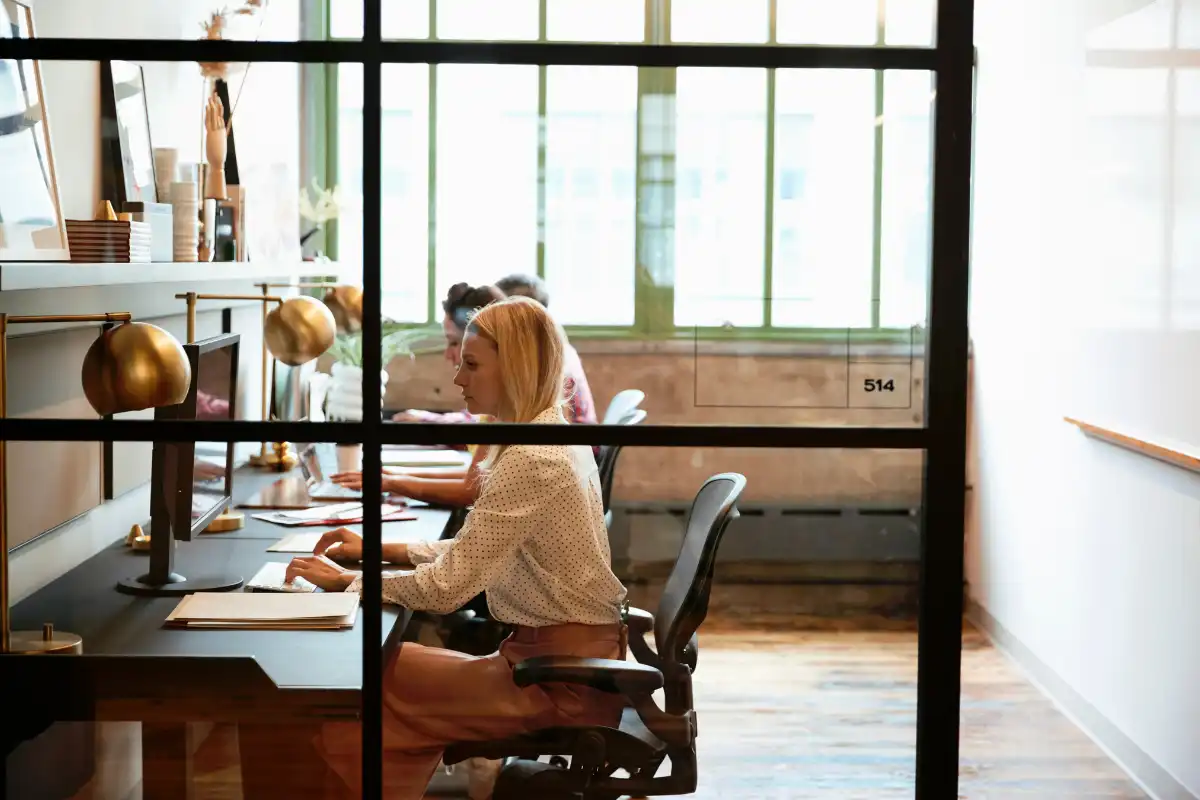
Employee well-being is no longer considered an optional workplace amenity. It has become a fundamental design requirement.
Organizations increasingly recognize the connection between workplace conditions and employee engagement, productivity, retention, and overall performance.
As a result, workplace leaders are investing in designs that support physical and mental well-being through:
- Increased access to natural light
- Improved indoor air quality
- Outdoor workspaces
- Quiet zones and focus rooms
- Wellness and recharge spaces
- Ergonomic furniture
- Biophilic design elements
These investments support healthier work environments while helping organizations attract and retain talent in competitive labor markets.
For many organizations, employee well-being initiatives also support broader efforts to improve workplace experience and encourage consistent office attendance.
Related reading: Why is employee experience important?
Neuroinclusive design becomes a workplace requirement
Another major trend shaping workplace strategy is the growing focus on neuroinclusive design.
Employees have diverse work styles, sensory preferences, and cognitive needs. Modern workplaces must support that diversity by offering a range of environments rather than a one-size-fits-all approach.
Neuroinclusive workplace design often includes:
- Acoustic zoning
- Sensory-friendly workspaces
- Adjustable lighting options
- Quiet focus areas
- Improved wayfinding
- Flexible workstation settings
Importantly, these features benefit all employees, not only neurodivergent individuals.
By creating environments that accommodate different ways of working, organizations improve accessibility, productivity, and employee comfort while fostering a stronger sense of inclusion.
Sustainability shifts from initiative to business imperative
Sustainable office design has evolved from a corporate responsibility initiative into a core business consideration.
Organizations are under increasing pressure to meet environmental goals, reduce operational costs, and support ESG commitments. Workplace design plays a critical role in achieving those objectives.
Common sustainability-focused design approaches include:
- Energy-efficient building systems
- Sustainable furniture and materials
- Water conservation measures
- Waste reduction programs
- Space optimization initiatives
- Flexible layouts that extend workplace lifecycles
Sustainability and workplace optimization often go hand in hand. Organizations that better understand utilization trends can reduce wasted space, lower energy consumption, and improve overall operational efficiency.
As a result, sustainable workplace design increasingly delivers both environmental and financial value.
Flexible workspaces support constant organizational change
Workplaces must now adapt far more quickly than they did in the past.
Headcount changes, hybrid schedules, organizational restructuring, and evolving business priorities all require greater workplace flexibility.
In response, organizations are designing environments that can be reconfigured with minimal effort.
Examples include:
- Modular furniture systems
- Moveable walls and partitions
- Shared work settings
- Flexible team neighborhoods
- Multi-purpose spaces
- Scalable occupancy models
Flexible workplace design helps organizations respond to changing business conditions without costly renovations or lengthy reconfiguration projects.
This adaptability has become especially important for organizations navigating ongoing shifts in hybrid work policies and workforce expectations.
Related reading: A definitive guide to the hybrid workplace and Enterprise hybrid work 2.0: Navigating policy shifts and workforce demands.
Offices become collaboration ecosystems
Perhaps the most important office design trend in 2026 is the transformation of the workplace into a collaboration ecosystem.
Organizations increasingly recognize that the office’s greatest value is its ability to bring people together.
As a result, many workplaces are prioritizing spaces designed specifically for:
- Team collaboration
- Innovation workshops
- Cross-functional projects
- Mentoring and coaching
- Client engagement
- Culture-building activities
The office is no longer competing with home offices for individual productivity. Instead, it is providing experiences and interactions that are difficult to replicate remotely.
This trend is closely tied to evolving workplace strategy. Organizations are increasingly designing office attendance around intentional collaboration rather than mandatory presence.
Ultimately, successful workplaces create opportunities for meaningful connection while supporting different work styles and business needs.
Related reading: Reframing the workplace: How strategy, technology, and human behaviour are coming back into sync and Hybrid workplaces are the future of work.eptura+1
What workplace leaders should prioritize in 2026
The most successful workplace strategies are not driven by trends alone. They are guided by business outcomes.
Instead of asking, “Which office design trends should we adopt?” workplace leaders should focus on questions such as:
- Which workplace experiences are most valuable to employees?
- How can workplace data improve decision-making?
- What spaces support collaboration and innovation?
- How can technology reduce workplace friction?
- Where can flexibility improve both efficiency and employee satisfaction?
- How can workplace investments support long-term business goals?
Design decisions should ultimately support measurable outcomes across employee experience, space utilization, operational efficiency, and organizational performance.
Designing workplaces for the future of work
The best workplace strategies in 2026 don’t start with furniture, floorplans, or amenities. They start with a clear understanding of how employees work, collaborate, and engage with the workplace. Organizations that combine workplace experience, utilization data, smart technology, and flexible design principles are creating environments that deliver measurable business value.
As workplace expectations continue to evolve, successful offices will be those that can adapt alongside them. By designing spaces that support collaboration, well-being, flexibility, and operational efficiency, workplace leaders can create environments that attract talent, strengthen culture, and maximize the value of every square foot.
See how leading organizations are using workplace data to design smarter offices
Explore Eptura’s guide to workplace experience and workplace planning to learn how data-driven workplace strategies can help you create a more effective, engaging, and adaptable office.
Frequently asked questions

By Amanda Meade
Amanda Meade is a content creator at Eptura, specializing in workplace experience, meeting productivity, and emerging trends in workspace planning and visitor management. With a background in content marketing and SEO, she crafts clear, actionable content that helps teams work smarter through in-office collaboration. Throughout her career, Amanda has worked across industries, including home services, healthcare, real estate, and SaaS, developing a unique ability to distill complex topics into practical insights.