A definitive guide to workplace experience
Imagine stepping into a workplace where every element — from the layout of the office to the technology at your fingertips — seamlessly aligns to support your daily tasks. This is the result of a meticulously crafted workplace experience.
Understanding and enhancing this experience is both essential and beneficial for organizations today. Here, we’ll dive deep into the facets of workplace experience, offering insights and strategies to cultivate an environment where employees thrive and businesses flourish.
What is workplace experience?
At its core, workplace experience is the interactions and perceptions an employee has in and of their work environment. It’s a holistic concept that intertwines the physical workspace, technological tools, and organizational culture into an atmosphere conducive to productivity, engagement, and well-being. Think of it as the ecosystem in which employees operate — a blend of tangible and intangible elements that collectively shape their daily work life.
To create a positive workplace experience, companies need to meet the employee expectations.
As organizations aim to meet employee expectations across digital and physical environments, coordination across departments becomes essential. According to Eptura’s 2025 Workplace Index report, aligning on a unified vision across all operational functions was the top objective for workplace experience and strategy leaders, highlighting the increasing importance of a cohesive, cross-functional approach to experience design.
The importance of workplace experience
A thoughtfully designed workplace experience is no longer just a foundation for employee satisfaction — it’s pivotal in fueling organizational success. When employees feel their environment supports their needs, they’re more likely to be engaged, motivated, and committed, driving higher productivity, lower turnover, and a stronger culture.
According to a study by PwC, 80% of employees say that a positive workplace experience is a key factor in their job satisfaction. Moreover, companies with a strong workplace experience see a 42% reduction in turnover rates and a 21% increase in profitability.
At the same time, 34% of businesses plan to increase the number of in-office days in 2025, raising the bar for comfort, digital enablement, and overall experience. With employee experience now ranked as the area with the highest potential to deliver business value from digital transformation — surpassing even real estate and asset management — it’s clear that the workplace has become a critical differentiator in the competition for talent and performance.

Key components of workplace software
Crafting an optimal workplace experience involves many components:
Physical environment
The physical workplace is a driver of focus, creativity, and well-being. Elements like lighting, acoustics, furniture, and spatial layout shape how employees feel and perform. A thoughtfully designed environment that includes ergonomic seating, access to natural light, and a variety of work zones can improve both comfort and productivity. Open spaces can encourage collaboration and creativity, while quiet zones are essential for deep focus and independent work.
But design is never a one-size-fits-all solution. To create a truly effective environment, organizations must account for the diverse needs, workstyles, and preferences across their workforce. Some employees thrive in energetic, communal settings; others do their best thinking in calm, private spaces. An entirely open office can alienate introverts or hinder concentration for those that require quiet. A balanced approach — blending collaboration hubs, retreat zones, and multi-purpose areas — creates the flexibility employees need.
The most successful workplace designs also match the rhythms and realities of each team. Marketing departments may need informal meeting areas for impromptu brainstorming, while sales teams benefit from quiet booths for frequent calls. Product teams often require a hybrid environment that supports both teamwork and heads-down work. Understanding these dynamics through observation and employee input helps inform how space should be allocated and designed.
Ultimately, the goal is to build an agile workspace — one that evolves with your people, supports a variety of tasks, and reflects your company’s culture and growth.
Technology integration
Seamless technology integration means much more than having fast Wi-Fi or updated laptops. It’s about creating an ecosystem where hardware, software, and systems work together to empower employees in every corner of the organization.
A well-integrated technology stack allows employees to navigate their day with minimal friction. From booking meeting rooms with a single click to joining a video call with crystal-clear audio to accessing documents securely from the cloud, technology should be an enabler. When tools are interoperable, and companies implement systems around the employee journey, routine tasks become effortless, freeing people to focus on meaningful work.

Today’s workplace must also accommodate a distributed workforce. Cloud-based platforms, unified communication systems, and collaboration tools make it easy for employees to stay connected and aligned, whether they’re across the hall or across the globe. Integration between communication tools and project management platforms ensures transparency, accountability, and real-time progress tracking.
In addition, technology integration must be scalable and adaptive. As businesses grow and teams evolve, the systems in place have to evolve with them, not just in size, but in function and flexibility. This means prioritizing open APIs that allow platforms to communicate seamlessly, enabling organizations to customize integrations without being locked into rigid ecosystems. Automation capabilities further amplify efficiency by reducing manual tasks and streamlining workflows across departments. And with cross-platform compatibility, organizations can ensure consistent performance and user experience across different tools, devices, and environments — making it easier to unify operations and respond to change with agility.
Finally, employee-centric technology is about both what tools are available and how intuitive they are to use. The best systems require minimal training and feel like a natural extension of how people already work. When done right, integrated technology becomes invisible — working quietly in the background to elevate the everyday experience.
Employee well-being and engagement
Picture this: a workplace where people show up with purpose — where they feel supported, valued, and empowered to do their best work. In this kind of environment, well-being isn’t a perk — it’s a core value.
Employee engagement is the emotional connection people feel toward their work and company. Engaged employees don’t just complete tasks — they contribute ideas, take initiative, and strive for excellence. A higher level of commitment leads to stronger performance, higher retention, and greater team cohesion.
To cultivate it, organizations must take a holistic approach to well-being by supporting physical health and emotional needs. Offering wellness programs, flexible schedules, mental health resources, and development opportunities shows the company genuinely cares.
The physical workspace plays a key role. Elements like natural light, ergonomic design, quiet zones, and inviting communal areas help people feel safe, energized, and productive.
When well-being and engagement are integral parts of your workplace experience, employees respond with loyalty, energy, and purpose.

What is workplace experience software?
Workplace experience software is designed to enhance the overall employee experience by streamlining processes, improving communication, and fostering a positive work culture. It provides a centralized platform for managing various aspects of the workplace, from physical space to technology and employee well-being.
Key features of workplace experience software
The most effective workplace experience software doesn’t just manage spaces — it empowers people, refines workflows, and transforms everyday moments into exceptional experiences.
- Space optimization and smart booking: Today’s workplace is dynamic, and space should flex with the needs of the team. From desk booking to meeting room reservations and facility maintenance, these tools ensure employees always have the right space at the right time — boosting utilization, reducing friction, and supporting hybrid work strategies.
- Employee engagement: Features like wellness tracking, pulse surveys, peer recognition, and development portals foster a culture where people feel seen, supported, and motivated. This is about aligning work with purpose and creating a climate where people flourish.
- Seamless communication and collaboration: Unified platforms bring together messaging, video, and project tools, breaking down silos and enabling real-time collaboration — whether your team is across the office or across time zones. These tools don’t just connect people — they keep them aligned and moving forward.
- Actionable workplace analytics: Data dashboards and intelligent insights provide a window into how employees interact with the workplace. From space usage trends to engagement metrics, these tools help leaders make confident, data-informed decisions that continuously improve the work environment.
By integrating these features, workplace experience software becomes a strategic asset —optimizing operations, amplifying culture, and setting the stage for a more engaged and productive workforce.
The best workplace experiences are powered by technology that removes friction, anticipates needs, and keeps everything moving.
Workplace management software
Workplace management software is no longer just a logistical necessity — it’s a strategic driver of the employee experience. These platforms serve as the digital nerve center of the workplace, helping organizations manage space, resources, and operations in ways that are responsive, flexible, and human-centered.
Key features of workplace management software include:
- Space planning and optimization: Intuitive tools for visualizing and reconfiguring office layouts in real-time, helping teams adapt to hybrid work patterns and maximize usage of every square foot.
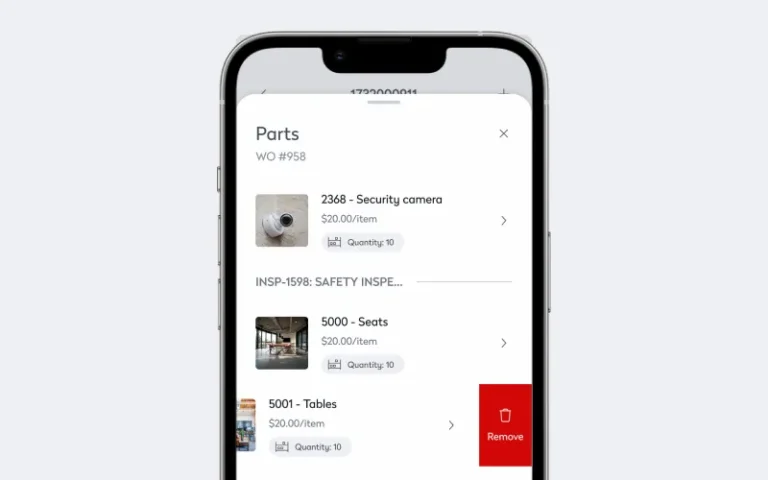
- Facility and service request management: More than just maintenance tracking — these tools give employees the power to easily submit service requests, ensuring their work environment is always functioning at its best.
- Desk booking and room scheduling: Modern platforms let employees book desks and rooms from mobile devices, empowering hybrid and agile teams. When combined with digital conference room signage, this feature prevents double bookings, improves visibility of room availability, and makes the entire meeting experience smoother.
- Visitor management: Automated visitor check-ins and real-time dashboards can improve the guest experience while maintaining security. These tools also reduce front desk workload and enhance professionalism from the moment someone steps in.
- Integration with workplace tech: The most powerful platforms are designed to integrate collaboration tools, sensors, and IoT devices, creating a workplace that’s not just connected, but intelligent. Think real-time occupancy sensors adjusting HVAC, or AI-driven suggestions for room bookings based on team habits.
When workplace technology is invisible yet impactful, employees notice. A seamless room booking process, a swift service resolution, or a welcoming visitor experience are small moments that contribute to a workplace culture built on support and ease.
Collaboration tools
Collaboration tools are the backbone of modern teamwork, enabling seamless communication, coordination, and productivity regardless of where employees are located. From messaging platforms to video conferencing tools, these technologies bridge physical distances to bring teams together. Project management software like Asana and Trello keeps workflows organized and transparent, while file-sharing services like Google Drive and Dropbox ensure that documents are always accessible, secure, and up to date. When integrated effectively, these tools don’t just support work — they enhance it by creating a more connected, agile, and engaged workforce.
IoT and smart devices
IoT and smart devices are changing the workplace by creating more connected, responsive, and efficient environments. From smart lighting and HVAC systems that adjust automatically based on occupancy, to air quality and motion sensors that provide real-time environmental data, these technologies help optimize comfort and resource usage.
Smart security solutions like keyless entry systems and surveillance devices enhance safety and streamline access control, while smart appliances automate routine tasks and reduce downtime. By integrating these devices, organizations not only boost productivity and operational efficiency but also deliver a more intuitive and satisfying experience for employees.
AI and machine learning
Artificial intelligence (AI) and machine learning (ML) are transforming the workplace experience by serving as the engines behind smarter management, seamless collaboration, and connected IoT ecosystems. These technologies help organizations automate repetitive tasks, deliver personalized insights, and power predictive analytics that inform better, faster decision-making.
AI supports workplace management tools by optimizing space usage and resource allocation, enhances collaboration through intelligent assistants and chatbots, and elevates IoT functionality by interpreting real-time data from sensors to create more responsive environments. AI and ML make the workplace more intuitive, adaptive, and efficient, by automating workflows and offering tailored recommendations, resulting in a more productive, empowered, and satisfied workforce.
Benefits of a positive workplace experience
A well-designed workplace experience can give businesses a competitive advantage. According to a study by Deloitte, companies that focus on employee experience are four times more profitable than those that don’t. Organizations that invest in employee experience can see tangible returns across engagement, innovation, and business growth.
Enhanced employee happiness and retention
Happiness at work isn’t just a nice perk. A positive workplace experience creates this foundation, leading to higher job satisfaction and lower turnover. In fact, Gallup reports that highly engaged teams see 59% less turnover. When employees feel connected to their environment and supported by leadership, they’re far more likely to stay, reducing hiring costs and maintaining organizational continuity.
Increased productivity and efficiency
When employees have access to ergonomic workspaces, intuitive digital tools, and low-friction workflows, they can do their best work without distractions or delays. A workplace that removes roadblocks and supports autonomy becomes a place where people thrive and deliver consistently strong results.
Improving brand reputation
A company’s internal culture inevitably shapes how it’s viewed externally. Businesses that prioritize employee well-being often become known for more than just their products or services. A strong workplace reputation can influence everything from recruitment to customer loyalty and investor confidence.
Attracting top talent
In a market where candidates for roles have more choices than ever, workplace experience can be a game-changer. Millennials and Gen Z job seekers prioritize purpose, flexibility, and employee-centric culture, and a standout workplace experience communicates that a company is forward-thinking and puts people first. Linkedin data shows that companies with a strong employer brand see 50% more qualified applicants and hire talent twice as fast. When candidates see that your organization invests in its employees, they will want to be part of your team.
Workplace experience trends
The workplace is undergoing a full-scale transformation. From flexible work models to AI-driven spaces and employee wellness innovations, the trends shaping workplace experience reflect a deeper cultural shift: people want to work smarter, live better, and feel more connected — wherever they are.
Hybrid and remote work models
The story of hybrid work is one of flexibility, trust, and reinvention. It’s about enabling people to do their best work, wherever they are. The challenge for organizations is to ensure that hybrid work doesn’t negatively impact company culture or decrease productivity.
To succeed, hybrid models need more than policies — they need infrastructure.
Employees need access to digital tools that make collaboration seamless, space reservation systems that support fluid office attendance, and managers trained to lead distributed teams. When done right, hybrid work gives people autonomy and balance, boosting morale and performance. It also unlocks access to a broader talent pool and reduces office footprint costs. The key lies in creating parity of experience: remote and in-person employees should have equal access to resources, relationships, and recognition.
Smart office technology
Imagine walking into your office and having your preferred lighting, temperature, and workspace already prepared. Smart office technology is making that vision a reality by turning the workplace into a responsive, adaptive partner in productivity. Driven by IoT, AI, and automation, these tools are transforming the office into a place that learns from its users and continuously optimizes for comfort, collaboration, and efficiency.
Smart sensors can track occupancy, helping organizations reduce energy waste and optimize space. AI-driven room booking systems can predict peak usage and recommend alternative times or spaces. Digital signage outside conference rooms updates in real-time, eliminating booking confusion and improving meeting flow. These technologies do more than streamline operations — they show employees that their time, comfort, and preferences matter.

Health and wellness initiatives
Health and wellness initiatives have become central to workplace experience. Wellness comes down to creating an ecosystem that supports mental, physical, and emotional well-being.
Companies are investing in quiet spaces for meditation, apps and services for mental health support, and creating initiatives that address burnout before it takes hold. They’re integrating ergonomic furniture and natural light to support physical health and offering flexible hours or wellness days to promote rest and balance. Investing in well-being drives engagement, reduces absenteeism, and creates a culture where people genuinely want to be.
Workplace experience considerations
Before any transformation takes hold, organizations must grapple with the realities of change. Enhancing the workplace experience is about rethinking how people work, collaborate, and connect.
Change management
Behind every successful workplace transformation is a well-executed change management strategy. New tools, policies, or designs will fail if employees aren’t brought along for the ride. Change management is about creating clarity in moments of ambiguity and fostering buy-in.
Start by communicating the “why” behind the change. Transparency breeds trust, so engage stakeholders early, collect their input, and shape the journey with them — not just for them. Train managers to be change champions, provide step-by-step onboarding for new technologies, and create feedback loops that show people their voices are heard. Ultimately, successful change management is a story of empowerment. It turns disruption into evolution and doubt into momentum.

Strategic investment
Creating a better workplace experience means spending smarter, not just spending more. Strategic investment requires aligning workplace improvements with business goals and employee needs.
Maybe it’s investing in space analytics to better understand how the office is being used. Maybe it’s enhancing digital tools to support remote collaboration. Strategic investment starts with insights — gathering data through surveys, space audits, and performance metrics to identify friction points and opportunities. It’s about allocating the budget where it creates lasting impact, not just for surface-level upgrades. When every dollar is tied to experience and outcome, investment becomes transformation.
Bridging digital gaps
Digital equity is a rising challenge in modern workplaces. As technology rapidly evolves, not every employee keeps pace — especially in distributed or cross-generational teams. Bridging digital gaps means ensuring that every team member, regardless of location or tech-savviness, has equal access to the tools and support they need to succeed.
This includes providing training for new software rollouts, offering multilingual interfaces, and selecting platforms that are intuitive and accessible by design. The goal isn’t to push everyone toward digital fluency overnight. It’s to build a culture where learning is encouraged, support is constant, and no one is left behind. When tech becomes inclusive, the workplace becomes more unified, agile, and resilient.
Generational differences
Four generations now coexist in the workplace, each with different values, communication styles, and expectations. From older team members seeking structure to members of Gen Z craving flexibility and digital-native tools, the multigenerational workforce is a rich but complex tapestry. Workplace experience strategies must account for these differences without leaning on stereotypes.
Start by identifying shared values like growth, purpose, and respect and build experiences around them. Then, layer in flexibility. Offer multiple channels for communication, varying types of spaces, and multiple learning formats. Empower managers to understand their team’s preferences and adapt their leadership styles accordingly. Diversity in age should be seen not as a challenge, but as an opportunity to create a culture that’s inclusive, curious, and future-ready.
Workplace experience best practices and strategies
Designing a world-class workplace experience is about consistently listening, adapting, and investing in what truly matters. The best organizations don’t just implement best practices. They co-create them with their people.
The best organizations don’t just implement best practices. They co-create them with their people.
Conducting employee surveys and feedback
Your employees are your greatest source of insight. Regular surveys, pulse checks, and feedback sessions create a dialogue between leadership and staff that is vital for workplace experience evolution. But the magic doesn’t lie in the survey — it lies in what happens after the survey ends.
Organizations must close the feedback loop by showing how responses lead to real action. This builds trust, drives engagement, and gives employees a sense of agency in shaping their own environment. Use qualitative and quantitative data together to uncover trends, surface pain points, and celebrate wins. When feedback becomes a continuous loop rather than a once-a-year exercise, the workplace becomes a living, breathing ecosystem of improvement.
As discussed in episode 345 of Eptura’s Workplace Innovator podcast, host Mike Petrusky and Lisa Mitchell-Kastner, ISS Americas’ head of people & culture and chief human resources officer, agreed that collaboration and a collective contribution of ideas will shape the future of work. This is key in attracting and retaining top talent, and creating a workplace environment that truly succeeds.
“My advice would be to bring all your ideas and suggestions. I think this new future of work will require all our great ideas coming together because we all want great workplaces.” — Lisa Mitchell-Kastner, Head of People & Culture and Chief Human Resources Officer, ISS Americas
Creative a flexible and adaptable environment
Adaptability is the new gold standard. In a world where change is constant, rigid workplaces quickly become outdated. A flexible environment doesn’t just mean offering remote work. It means designing spaces, policies, and practices that can evolve as quickly as your people do.
This could mean modular office layouts that can shift from solo work to team projects, adjustable work hours to accommodate different life stages, or digital tools that scale as teams grow. It’s also about cultivating a mindset of experimentation: test, learn, and iterate.
Investing in integrated technology
Disconnected systems create disconnected experiences. As Eptura’s 2025 Workplace Index report outlines, organizations that connect workplace systems (employee experience, facility, and asset management) unlock the intelligent worktech value chain— leading to greater productivity, asset longevity, and employee satisfaction. Unified platforms also open the door to predictive maintenance, AI-based recommendations, and real-time scenario planning.
Integration creates flow, reduces friction, and increases productivity. Employees don’t have to switch between platforms, double-enter data, or navigate complex processes. More importantly, integration allows organizations to collect and analyze holistic workplace data, revealing insights that guide smarter decisions.
Workplace experience success story
Dun & Bradstreet, a global leader in business data and analytics, is trusted by 93% of the Fortune 500 for their growth and business protection needs. With over 6,000 employees and 25 locations worldwide, the company faced growing challenges in managing office spaces, especially during the pandemic. As hybrid work became the norm and the need for flexible office arrangements increased, Dun & Bradstreet sought solutions to optimize workspace usage, maintain productivity, and ensure employee safety.
The challenge
The primary challenge was efficiently managing office spaces to address new concerns such as desk management, contact tracing, and cleaning protocols. The company needed a system that could adapt to fluctuating office policies, regional regulations, and the diverse preferences of their workforce. Additionally, the global nature of Dun & Bradstreet’s operations meant they required a solution that could be deployed swiftly and scale across multiple regions while maintaining consistency in workspace management.
The solution
To address these challenges, Dun & Bradstreet partnered with Eptura’s workspace booking solution, Condeco. This system allowed employees to book desks, certify their health status, and facilitate contact tracing through one platform. The solution was implemented in just 1.5 months, quickly gaining adoption due to its intuitive interface. Dun & Bradstreet also integrated Eptura Visitor (Proxyclick) for visitor management in their London office, significantly enhancing the check-in experience by replacing traditional receptionist functions with self-service kiosks. The system manages 2,880 spaces globally, with over 120,000 annual bookings, ensuring efficiency and flexibility across the company’s locations.
The result
Since implementing these technologies, Dun & Bradstreet has seen significant improvements in space utilization and operational efficiency. Their ability to gather data on desk usage and parking availability has empowered teams to make informed decisions, optimizing resources and improving employee experiences. For instance, the company’s European offices saw a reduction in parking challenges, as employees could now pre-book spots before arriving. The success of these solutions has positioned Dun & Bradstreet to continue evolving their workspace management, ensuring they remain agile in the face of changing work dynamics.
Dive into the full customer story here.