

For years, badge swipe data was treated as the standard measurement for workplace activity. If employees entered the building, organizations assumed the office was being used effectively. But in a hybrid work environment, occupancy alone no longer tells the full story.
A badge swipe can confirm that someone walked through the door. It cannot explain whether employees found appropriate workspaces, collaborated effectively, struggled to locate meeting rooms, avoided overcrowded areas, or used the office in ways that supported productivity. For organizations managing distributed office portfolios, that lack of visibility creates a major challenge.
Modern workplace strategy requires more than attendance metrics. Teams now need operational intelligence that connects occupancy trends, employee behavior, space utilization, workplace services, and portfolio performance into a single, actionable view. The organizations seeing the strongest hybrid workplace outcomes are not simply tracking who comes into the office. They are analyzing how spaces perform, how employees interact with the workplace, and how workplace decisions affect operational costs and employee experience.
That shift is becoming more urgent as hybrid work patterns continue to stabilize. Research across workplace analytics providers consistently shows that office attendance remains heavily concentrated Tuesday through Thursday, creating what many analysts now call the “midweek mountain.”
Key takeaways
- Badge swipe data alone does not provide enough insight into hybrid workplace performance or employee experience
- Organizations are increasingly relying on occupancy analytics, collaboration metrics, and operational data to guide workplace decisions
- Midweek occupancy peaks continue shaping workplace planning, making flexible space management more important than fixed seating models
- Unified workplace platforms help connect booking systems, visitor management, maintenance workflows, and occupancy analytics into one actionable view
- AI-powered workplace tools support predictive planning, automated space optimization, and more efficient workplace operations
- Real-time workplace intelligence helps organizations improve portfolio performance, reduce unused space, and create better employee experiences
The new hybrid workplace reality
Hybrid work is no longer experimental. Organizations are now operating in a long-term environment where employee attendance patterns fluctuate daily, collaboration needs evolve constantly, and workplace expectations continue to shift.
Recent workplace occupancy research shows that average office utilization remains significantly below pre-pandemic levels, even as many organizations increase return-to-office expectations. Office visits in late 2025 remained roughly 30% below 2019 benchmarks, while attendance patterns continued concentrating heavily in the middle of the week.
At the same time, employees are using offices differently than they did before hybrid work became standard. Instead of coming in primarily for individual focused work, employees increasingly use office days for collaboration, team meetings, and social interaction. Research published in the Hybrid Occupancy Index 2025-2026 found that meeting rooms are frequently being used as focus spaces because many workplaces still over-index on open-plan seating configurations.
This shift creates new planning challenges:
- Individual desks may sit empty for large portions of the week
- Collaboration spaces may become overbooked during peak days
- Cleaning, maintenance, and workplace services demand fluctuates significantly
- Space allocation decisions must adapt faster than traditional lease cycles
Integrated workplace technology now plays a central role in helping organizations understand how offices are actually being used. Booking platforms, occupancy sensors, workplace analytics tools, visitor systems, and maintenance workflows all contribute valuable operational data. When connected through a unified workplace platform, these systems allow workplace teams to make evidence-based decisions instead of reacting to incomplete or outdated information.
Metrics that move the needle
| Metric Category | What It Measures | Why It Matters | Workplace Technology That Supports It |
|---|---|---|---|
| Space Utilization & Occupancy | Desk usage, meeting room bookings, collaboration space demand, occupancy trends | Helps organizations right-size office footprints, reduce unused space, and optimize portfolios | Real-time occupancy analytics, desk booking systems, sensor integrations, automated release of unused reservations |
| Collaboration & Engagement Patterns | Team attendance trends, meeting demand, collaboration zone usage | Supports intentional in-office collaboration and improves employee experience | AI-powered workspace matching, desk bumping, collaboration analytics, team scheduling visibility |
| Resource Utilization & Operational Efficiency | Service requests, maintenance response times, asset performance, cleaning demand | Improves operational efficiency and workplace readiness while reducing friction for employees | Integrated maintenance workflows, automated service management, occupancy-based cleaning schedules |
| Visitor Management & Security | Visitor check-ins, credentialed access, compliance activity, guest traffic trends | Enhances workplace security while creating smoother visitor experiences | Digital visitor registration, credential management, compliance reporting, centralized visitor analytics |
| Portfolio Performance & Cost Benchmarks | Cost per square foot, utilization by building, lease risk, capacity trends | Supports data-driven portfolio planning and cost optimization decisions | Portfolio analytics dashboards, utilization reporting, scenario planning, lease management insights |
| Predictive Workplace Insights | Future occupancy trends, space demand forecasts, workplace behavior patterns | Helps organizations proactively adapt hybrid workplace strategies | AI-powered analytics, forecasting tools, natural language booking, predictive scenario modeling |
Space utilization and occupancy rates
Space utilization metrics provide far more meaningful insights than simple entry counts. Organizations need visibility into how desks, meeting rooms, collaboration zones, and shared spaces are being used throughout the day.
Real-time and historical booking data can reveal:
- Which spaces are consistently underutilized
- Peak demand periods by floor or building
- The ratio of booked versus occupied spaces
- Trends in neighborhood seating preferences
- Opportunities to reduce unused square footage
Occupancy analytics powered by desk booking systems, room reservations, and sensor integrations help organizations identify how space demand changes over time. Instead of relying on static annual reviews, workplace teams can continuously evaluate performance and make incremental adjustments.
This visibility becomes especially important during portfolio optimization decisions. If utilization analytics show that certain buildings consistently operate below capacity, organizations can explore opportunities to reduce lease obligations, redesign floorplans, or consolidate operations into fewer locations without negatively affecting employee experience.
Peak occupancy metrics are also becoming increasingly important. Many organizations discover that average utilization data alone can be misleading because attendance spikes dramatically during peak collaboration days.
Automated space release capabilities further improve utilization accuracy. When employees reserve desks or meeting rooms but fail to check in, unused spaces can automatically become available to others. This reduces wasted capacity while improving occupancy reporting accuracy.
Collaboration and engagement patterns
One of the biggest shifts in hybrid work is the rise of intentional office attendance.
Employees increasingly coordinate in-office schedules around collaboration opportunities rather than mandatory attendance requirements. That makes collaboration analytics one of the most valuable workplace metrics organizations can track.
Modern workplace platforms can provide insights into:
- Team-based office attendance patterns
- Meeting room demand by department
- Collaboration zone usage
- Employee scheduling preferences
- Frequency of cross-functional in-office activity
AI-powered workplace coordination features help simplify these interactions by allowing employees to locate teammates, reserve nearby desks, and identify available collaboration spaces. Intelligent desk bumping and workspace matching features reduce scheduling friction while supporting more coordinated in-office experiences.
These insights help organizations determine whether office layouts align with actual employee behavior. If collaboration areas consistently operate at full capacity while assigned desks remain underused, workplace teams can adjust space allocation strategies accordingly.
This is especially important because workplace expectations continue evolving rapidly. Research from Gallup found that frequent AI use in the workplace increased steadily throughout 2025, while Microsoft’s 2025 Work Trend research highlighted growing demand for AI-supported productivity and coordination tools across enterprise workplaces.
Resource utilization and operational efficiency
Operational performance remains a critical component of workplace success.
Hybrid work environments introduce more variability into building operations, which can create inefficiencies if workplace services do not adapt alongside occupancy patterns. Facilities and workplace operations teams need visibility into how workplace resources are being used and maintained across the portfolio.
Important operational metrics include:
- Service request volumes
- Average response times
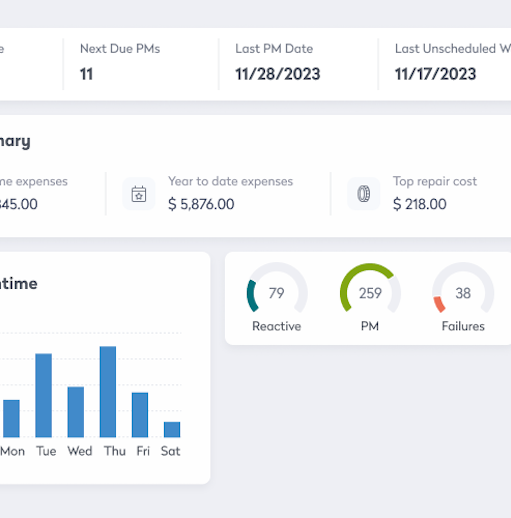
- Preventive maintenance completion rates
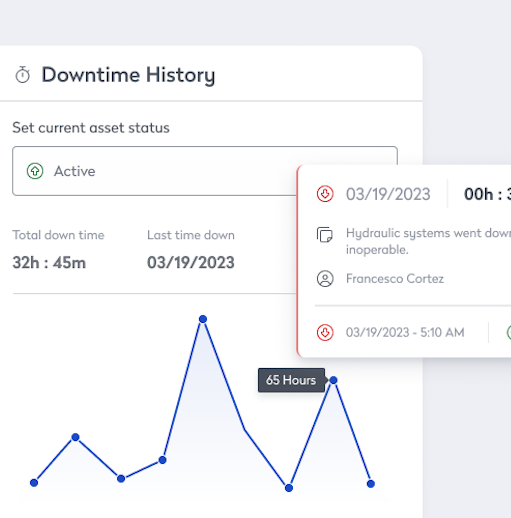
- Asset downtime
- Cleaning demand patterns
- Space readiness performance
Integrated workplace management systems connect maintenance workflows, occupancy data, and employee requests into a unified operational model. Cleaning schedules can dynamically adjust based on actual occupancy rather than fixed assumptions. Maintenance teams can prioritize high-traffic collaboration areas during peak attendance periods.
Operational visibility also directly affects employee experience. Delayed maintenance requests, unavailable meeting rooms, or poorly maintained shared spaces can discourage office attendance and reduce satisfaction with hybrid workplace programs.
At the same time, operational efficiency has become increasingly important as organizations balance hybrid flexibility with ongoing cost management pressures.
Visitor management and security
As office usage becomes more flexible, visitor management has become increasingly important for both security and workplace experience.
Hybrid workplaces often host a broader mix of employees, contractors, vendors, clients, and guests throughout the week. Manual check-in processes and disconnected visitor systems create inefficiencies and potential compliance risks.
Modern visitor management platforms help organizations track:
- Visitor check-in and check-out activity
- Credentialed access records
- Compliance documentation
- Visitor traffic trends by location
- Security screening workflows
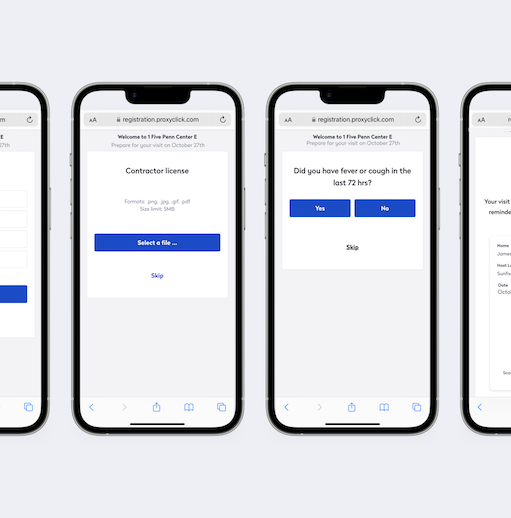
Integrated visitor management tools streamline pre-registration, automate credential delivery, and provide real-time visibility into building access activity. This creates a more seamless experience for guests while improving workplace security and compliance reporting.
For enterprise organizations operating across multiple locations, centralized visitor reporting also improves governance consistency across the workplace portfolio.
Portfolio performance and cost benchmarks
Organizations increasingly need measurable data that connects workplace performance with business outcomes.
That requires portfolio-level metrics that go beyond occupancy counts and provide insight into:
- Utilization by building and region
- Cost per occupied square foot
- Lease expiration risk
- Capacity versus demand trends
- Space allocation efficiency
- Real estate cost optimization opportunities
Unified workplace analytics platforms allow organizations to compare performance across locations and identify underperforming assets. Instead of making real estate decisions based solely on long-term lease cycles, workplace and real estate teams can proactively identify consolidation opportunities and optimize portfolio strategy using current operational data.
These insights become especially valuable during lease renewal discussions, workplace redesign initiatives, and expansion planning.
Why unified data matters
Many organizations still manage workplace operations through disconnected systems. Booking tools, maintenance platforms, occupancy analytics, visitor systems, and collaboration applications often operate independently, creating fragmented visibility and inconsistent reporting.
This fragmentation makes it difficult to identify meaningful trends or act quickly on operational insights.
A unified workplace platform solves this problem by connecting workplace operations, employee experience tools, visitor management, occupancy analytics, and facilities workflows into a centralized ecosystem. Instead of manually combining reports from multiple vendors, organizations gain a consolidated view of workplace performance across the portfolio.
Native Microsoft integrations further improve scalability, security, and reliability for enterprise environments while reducing friction for employees booking desks, coordinating schedules, and reserving meeting spaces.
The operational impact of unified workplace data can be significant. Organizations implementing connected workplace platforms have reported:
- Increased workplace visibility
- Improved occupancy data accuracy
- Higher resource utilization rates
- Faster operational response times
- Better portfolio planning capabilities
Unified data also improves executive decision-making by giving workplace teams access to consistent reporting frameworks that align operational metrics with broader business goals.
Predictive insights: Moving from reporting to action
The next evolution of workplace analytics is predictive intelligence.
Many organizations already collect large amounts of workplace data, but the real value comes from using that data to forecast future demand and automate operational decisions.
AI-powered workplace analytics can help organizations:
- Predict occupancy demand by day and location
- Forecast meeting room shortages
- Optimize space mix configurations
- Identify emerging utilization trends
- Simulate future workplace scenarios
Predictive capabilities also improve day-to-day workplace efficiency. Automated release of unused reservations helps maximize available capacity. Natural language booking tools simplify workspace reservations for employees. Scenario planning tools help organizations evaluate how workplace changes could affect future occupancy and operational costs.
These capabilities are becoming increasingly important as AI adoption accelerates across workplaces. Gallup research found that frequent AI use among employees continued rising through 2025, while McKinsey research showed that many employees expect generative AI to support a significant percentage of their daily tasks within the next several years.
Instead of waiting for workplace inefficiencies to become obvious, organizations can continuously optimize the workplace experience using predictive insights and real-time operational intelligence.
Transform Hybrid Workplace Performance with Smarter Metrics
Badge swipe data alone cannot provide the visibility organizations need to manage today’s hybrid workplaces effectively. Workplace teams need integrated insights that connect occupancy, collaboration, operations, visitor management, and portfolio performance into a unified strategy.
Organizations that embrace workplace analytics, AI-driven insights, and connected operational platforms are better positioned to optimize costs, improve employee experience, and adapt to evolving hybrid work patterns with confidence.
The future of workplace management belongs to organizations that move beyond basic attendance tracking and focus on the metrics that truly drive operational performance and workplace success.
Frequently Asked Questions

By Amanda Meade
Amanda Meade is a content creator at Eptura, specializing in workplace experience, meeting productivity, and emerging trends in workspace planning and visitor management. With a background in content marketing and SEO, she crafts clear, actionable content that helps teams work smarter through in-office collaboration. Throughout her career, Amanda has worked across industries, including home services, healthcare, real estate, and SaaS, developing a unique ability to distill complex topics into practical insights.